












bash
Proto
Proto is a high-level programming language for designing DNA, RNA, and protein sequences. The required properties of a sequence are expressed as constraints; generators propose candidate sequences and optimizers search for candidates that satisfy them.Overview
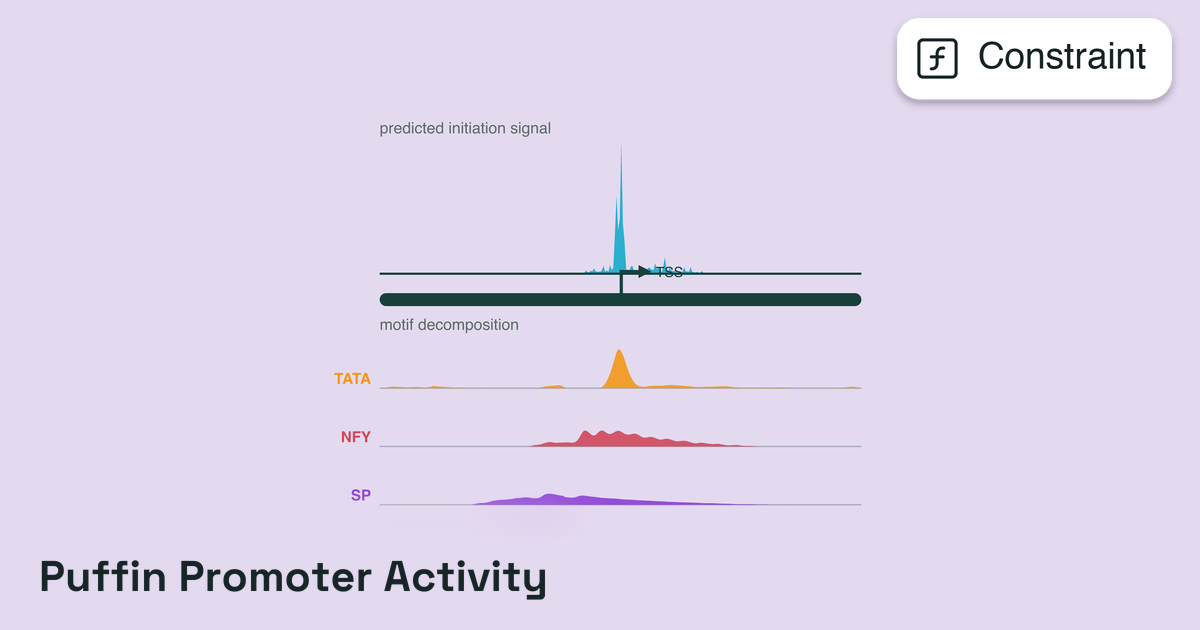
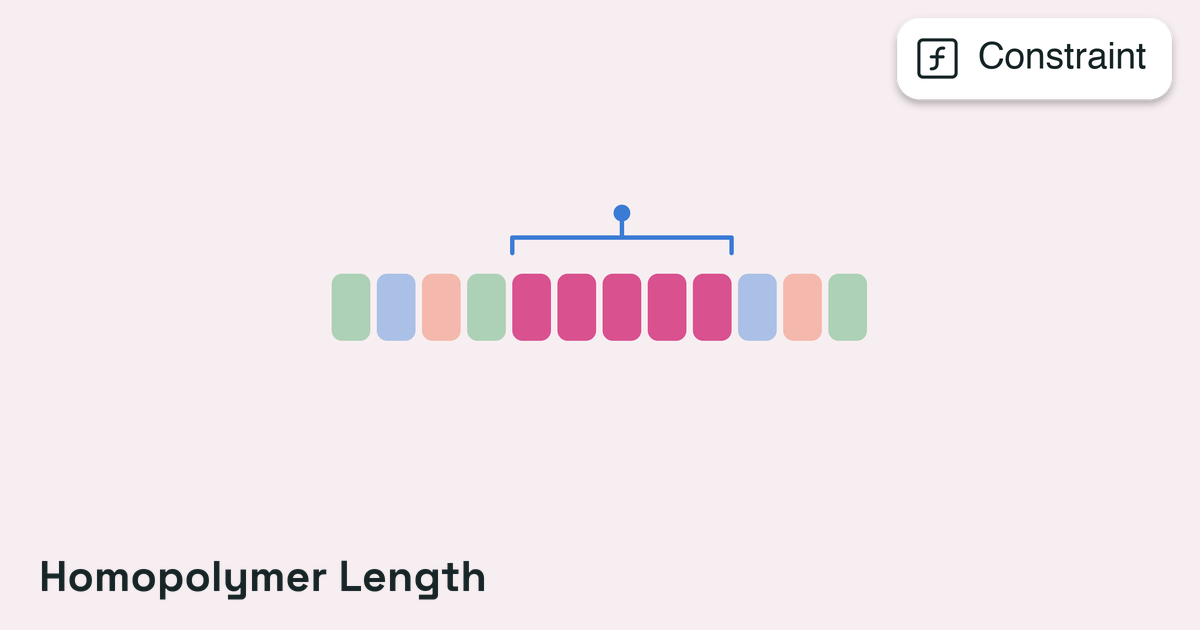
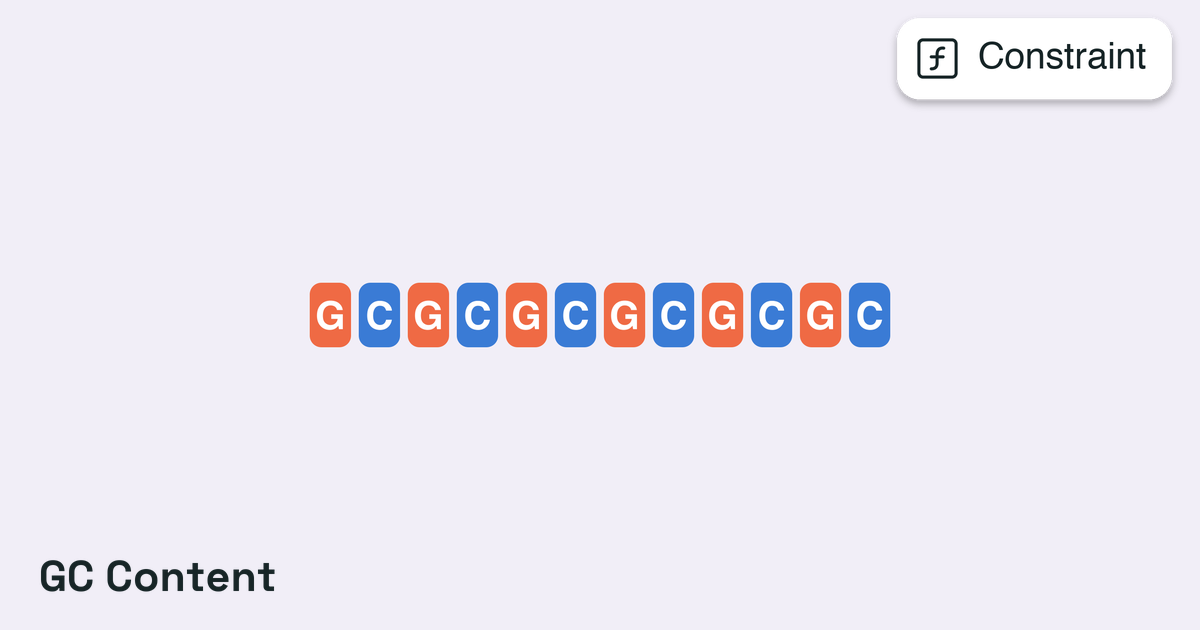
Biological sequence design is typically multi-objective: a single sequence must meet several requirements at once. A designed protein may need to fold to a target structure, bind a target, express in a host organism, and remain soluble. A coding sequence may need a controlled GC content, codon usage suited to its host, no long homopolymer runs, and the absence of specified restriction sites. Proto represents each requirement as a separate constraint and optimizes against the full set rather than a single objective. A design is specified declaratively. The sequence regions to be designed are defined as segments; a generator is assigned to each region to propose candidates; constraints score how well each candidate meets a requirement; and one or more optimizers search sequence space to minimize the combined score.python
How It Works
1
Segments and Constructs
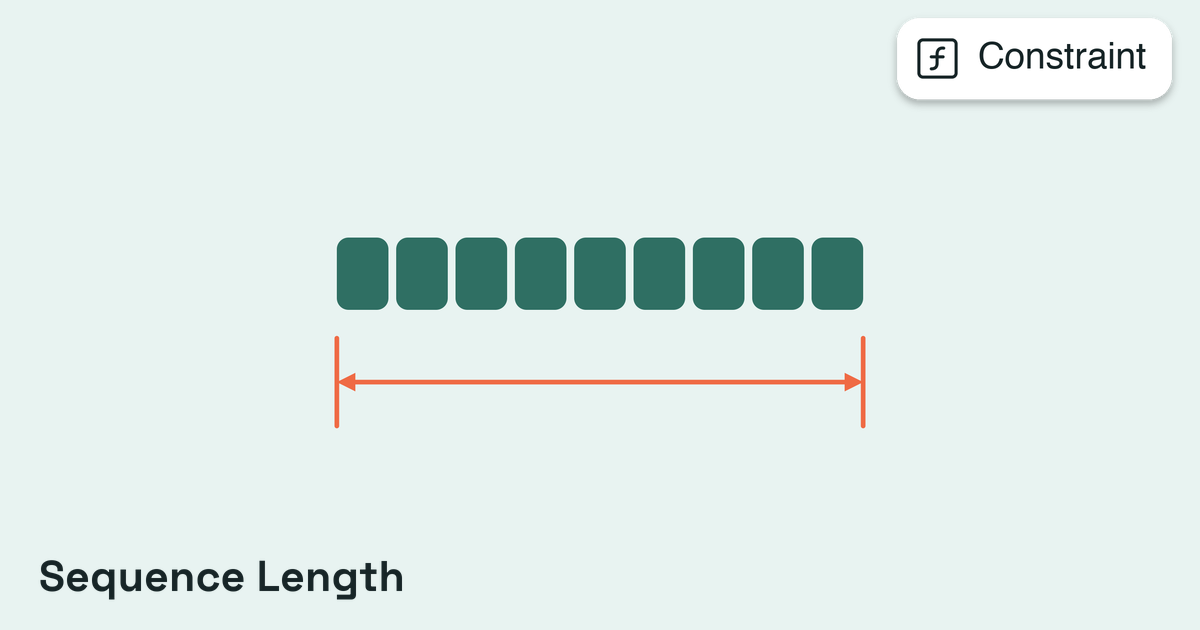
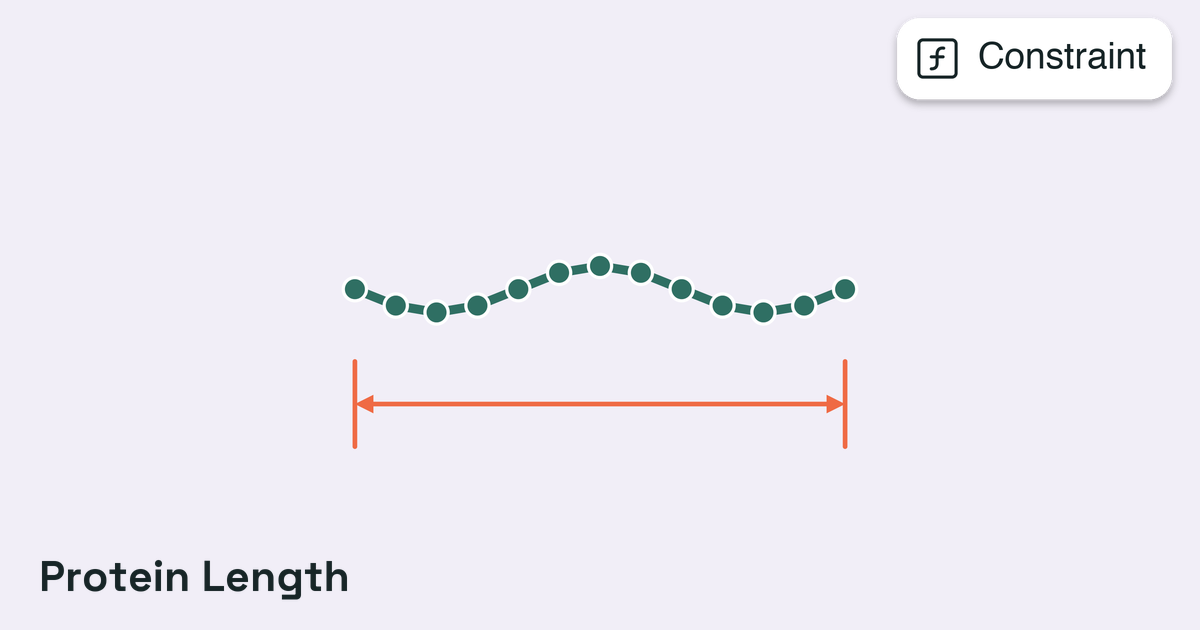
Segments are contiguous sequence regions to be designed; they are grouped into Constructs. A segment is initialized either from a target length or from an existing sequence.
python
2
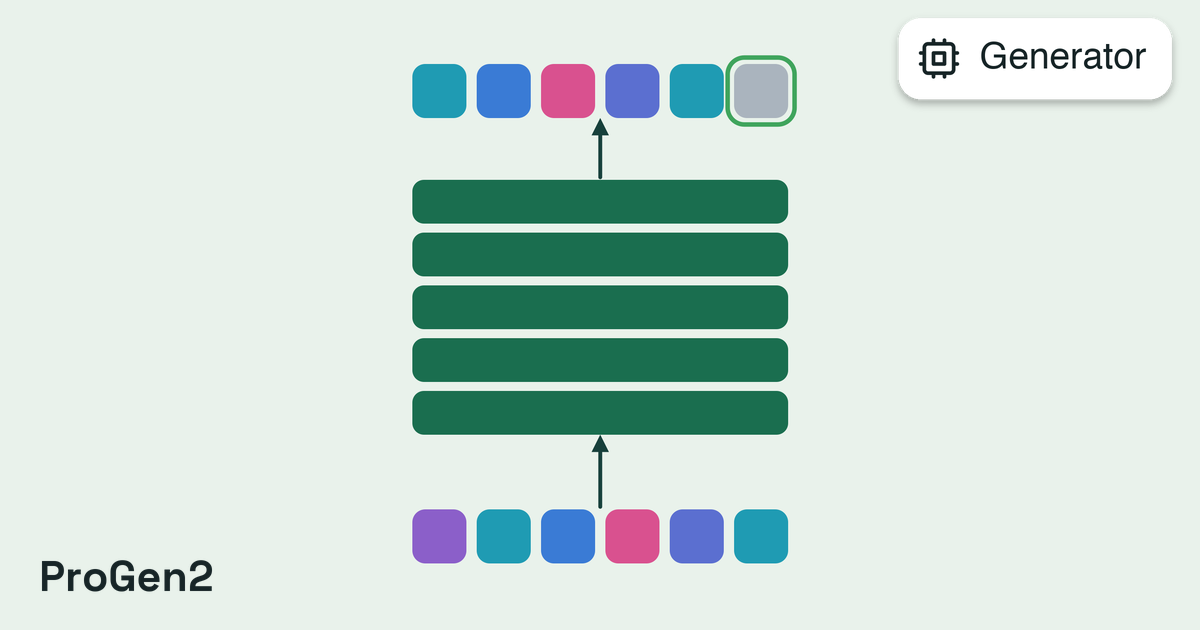
Generators
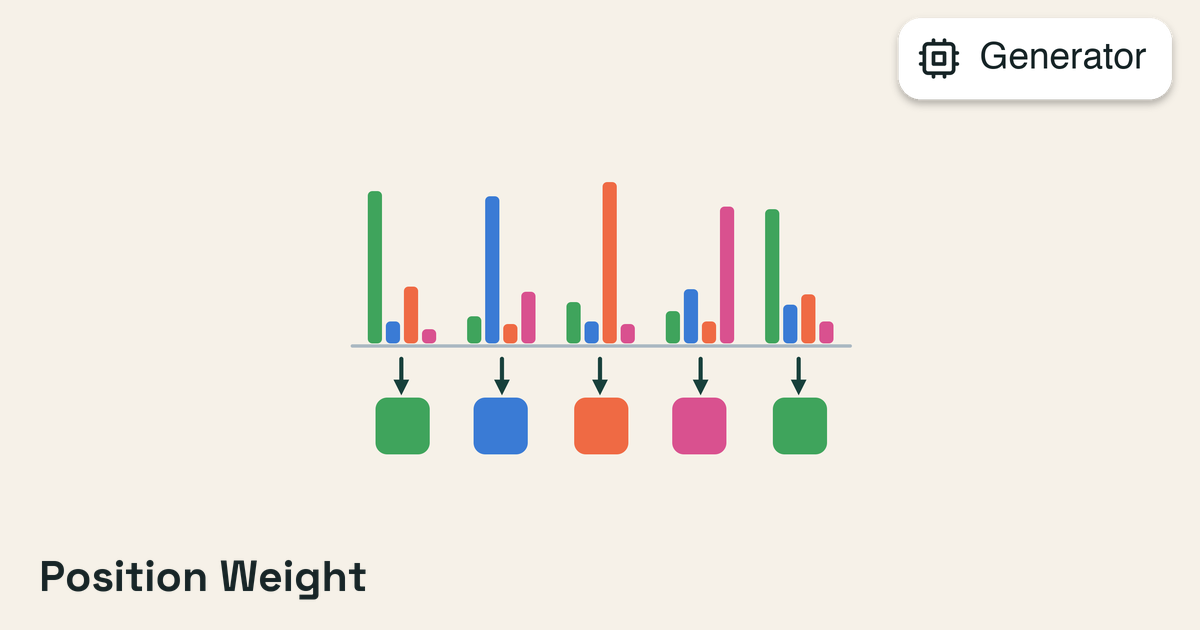
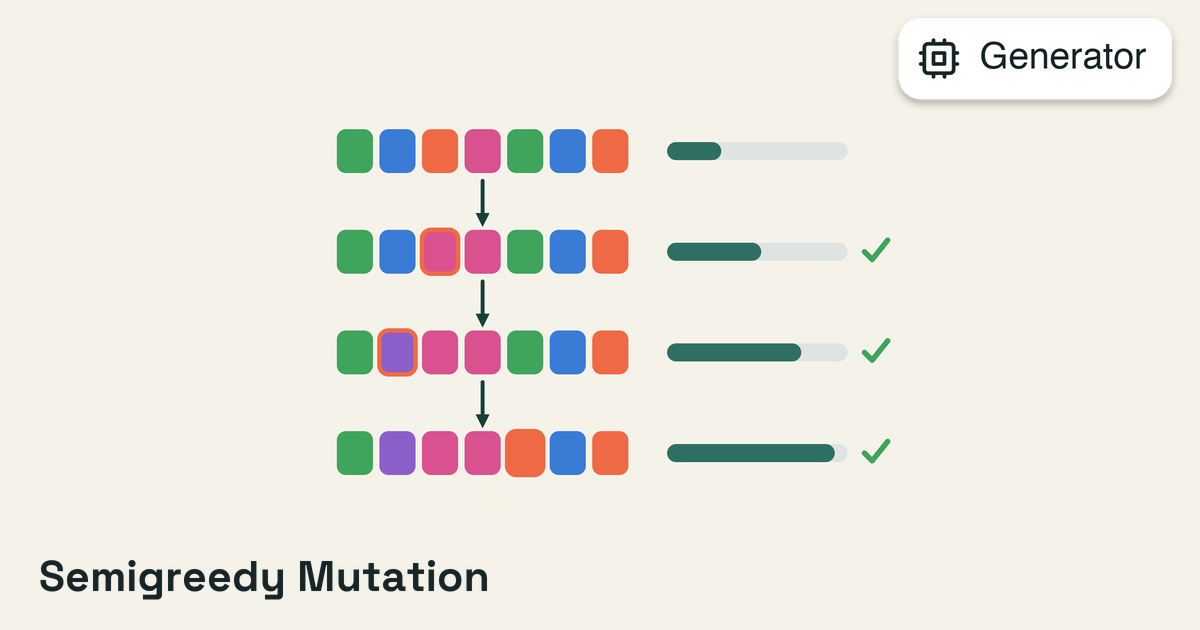
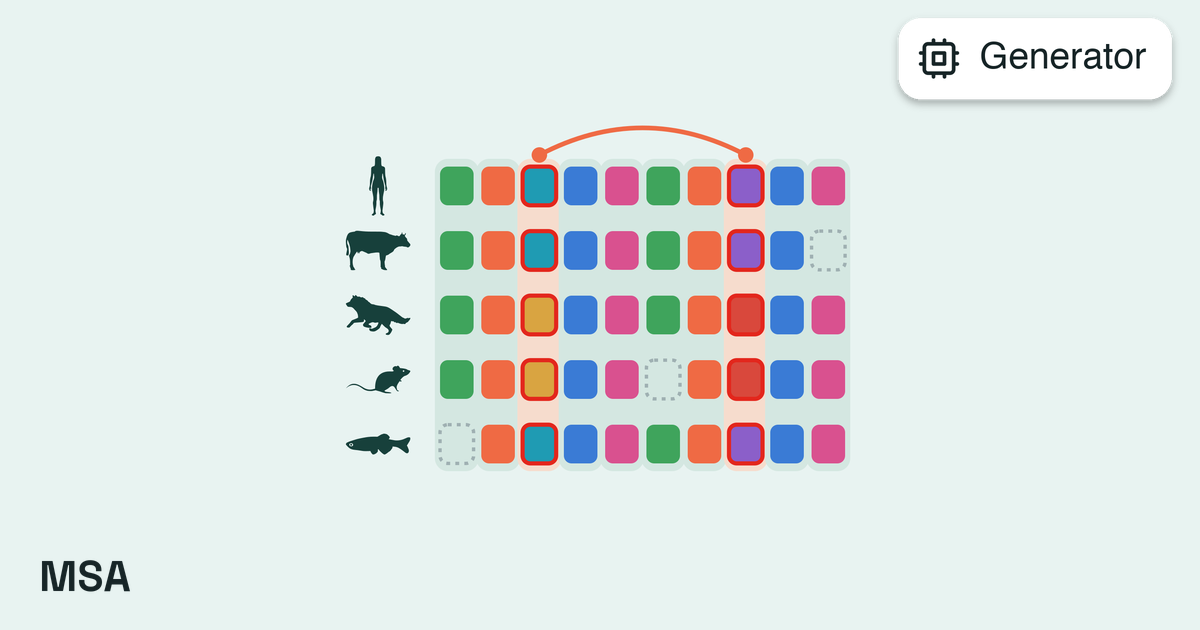
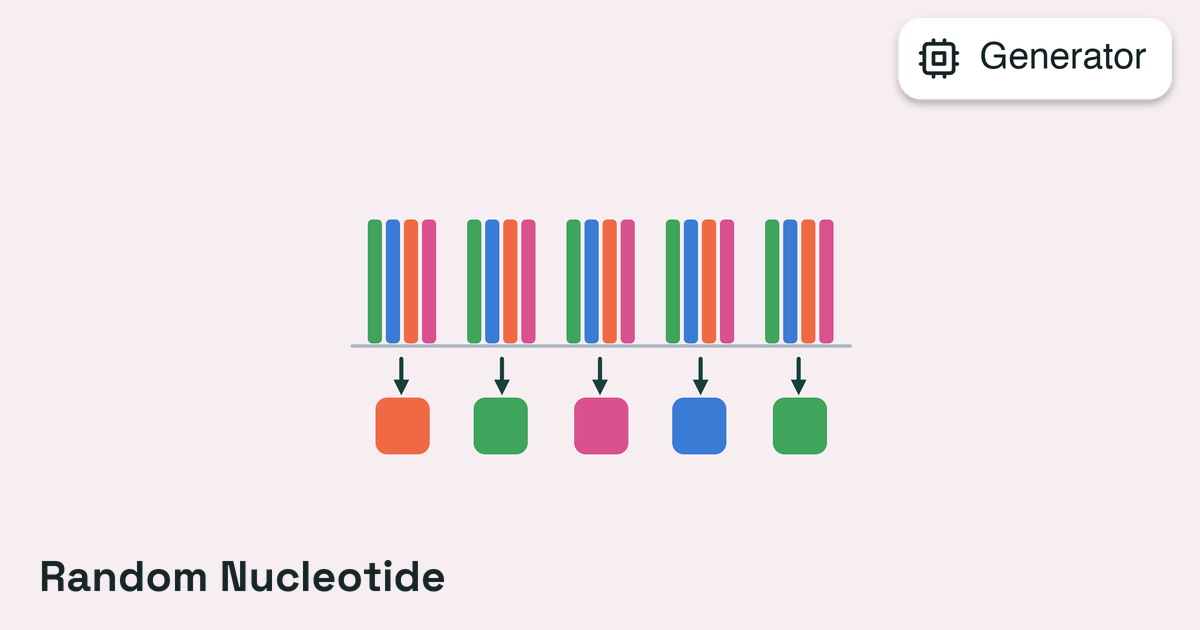
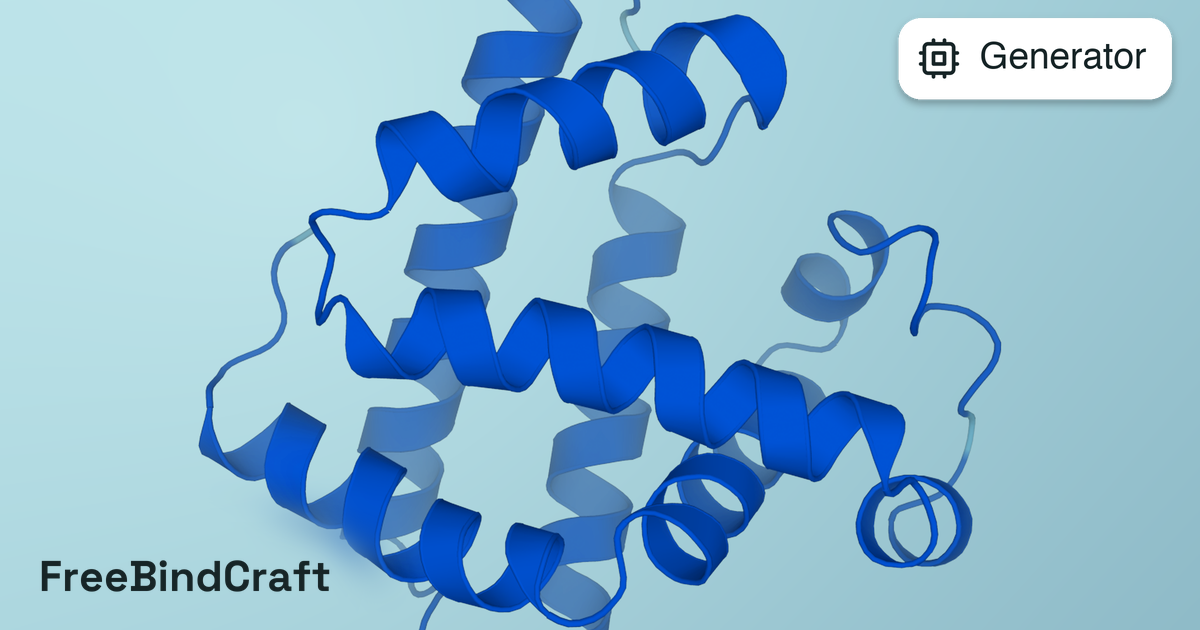
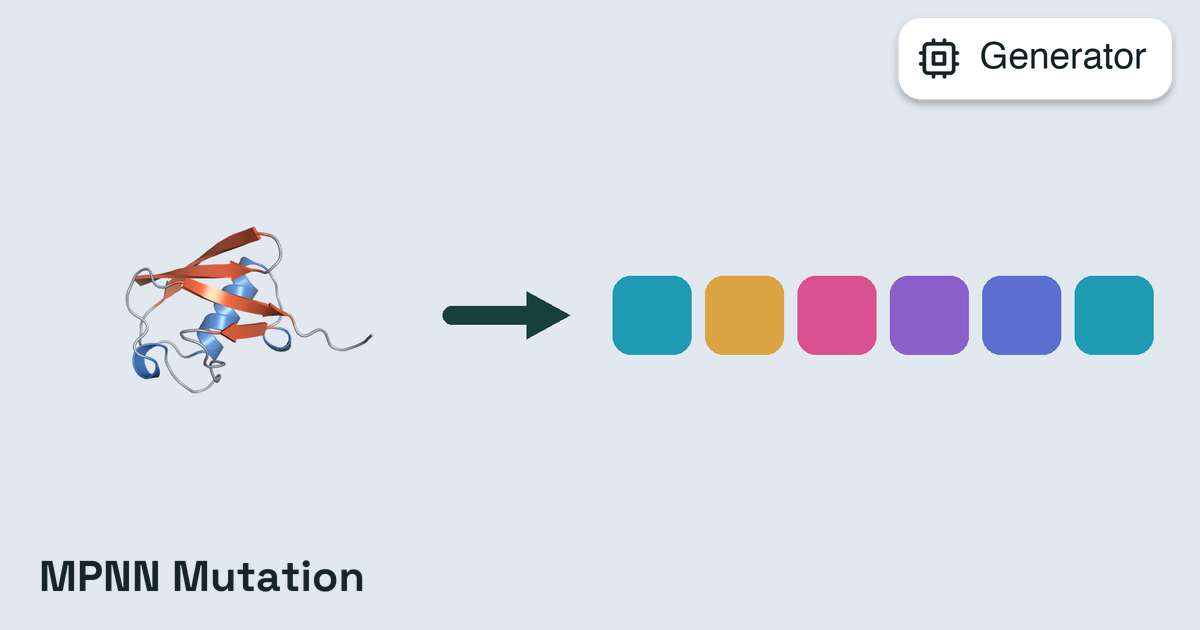
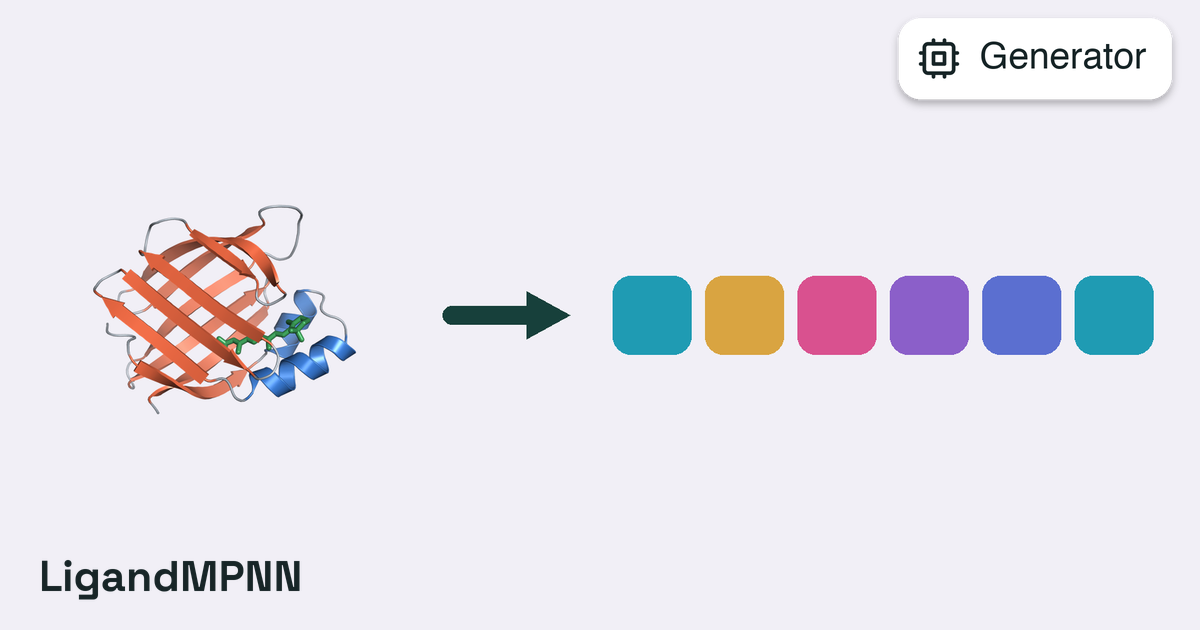
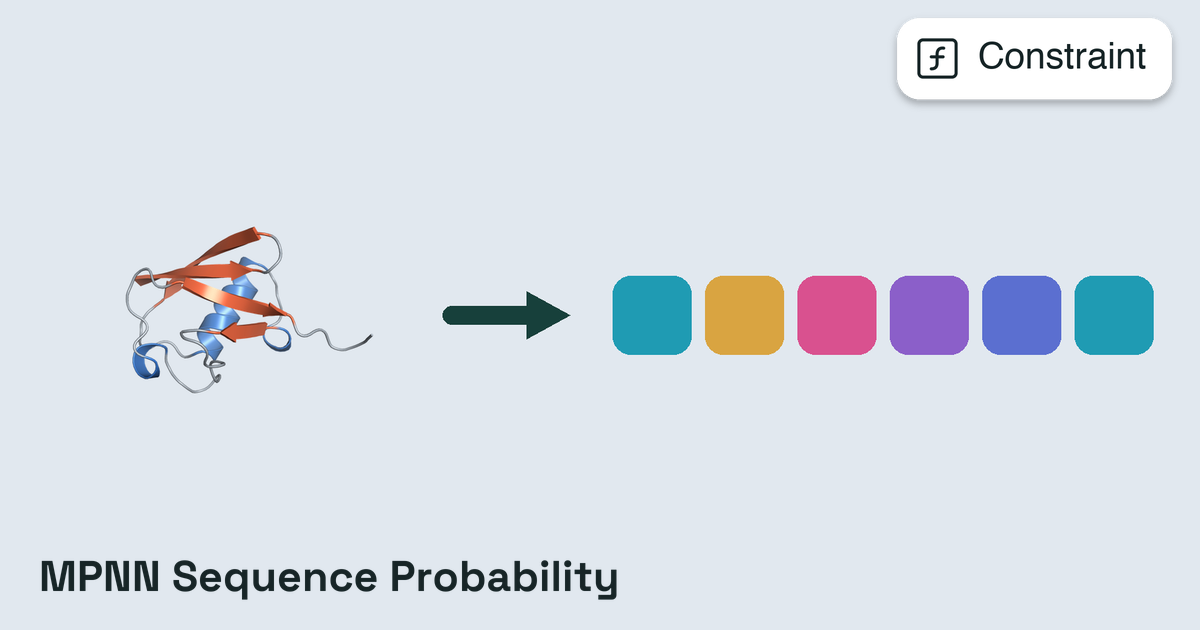
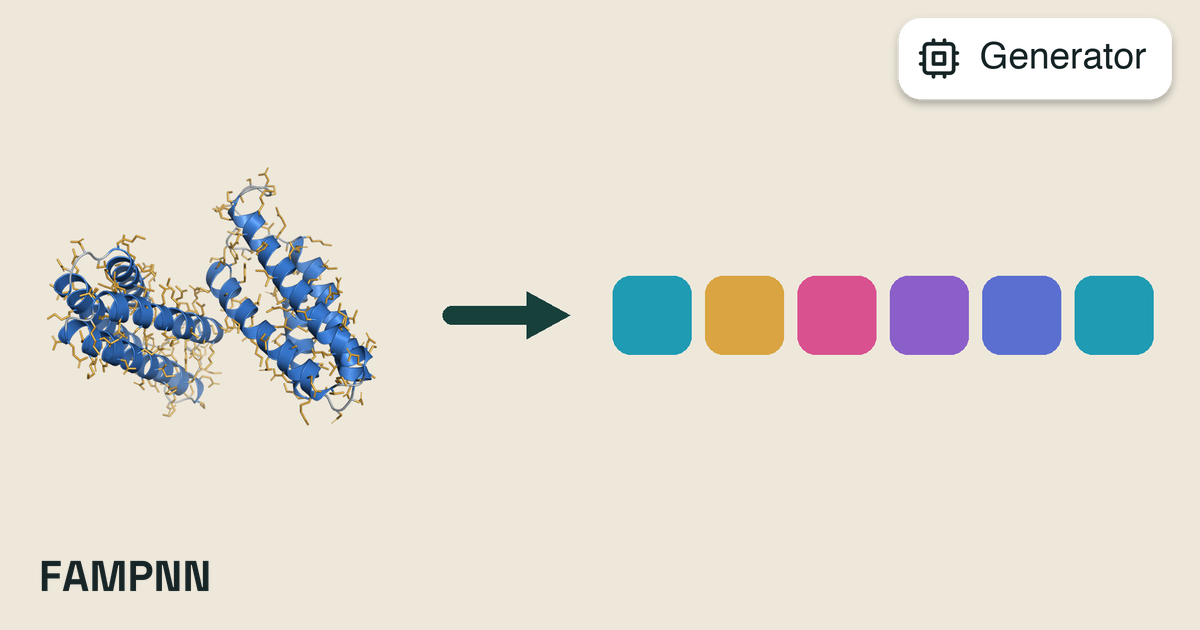
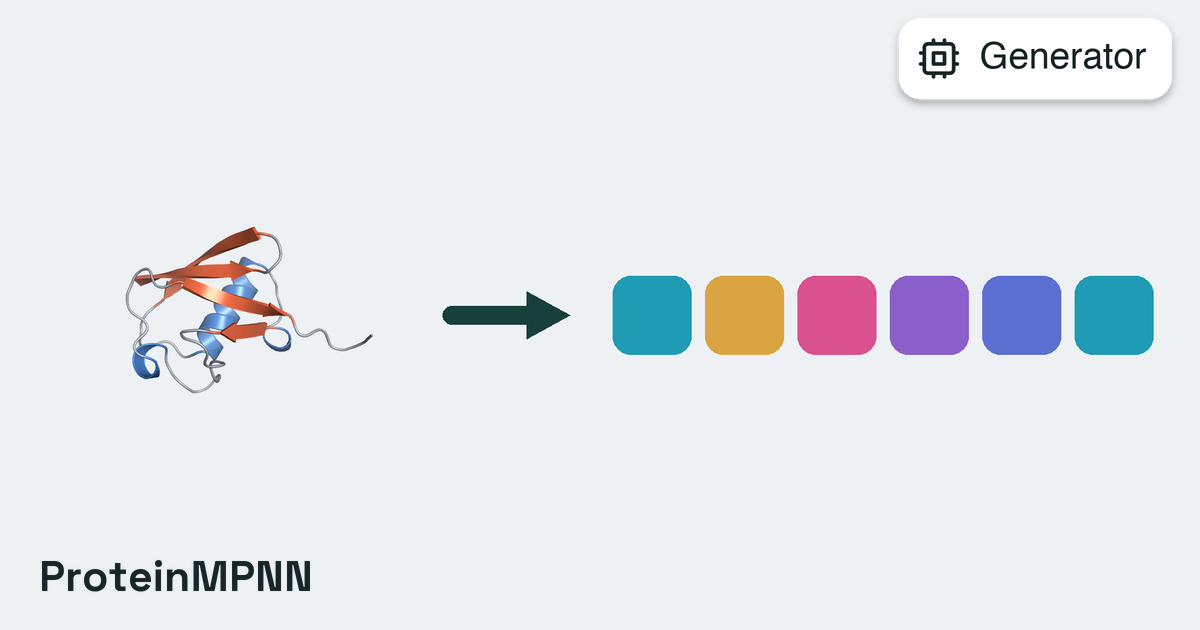
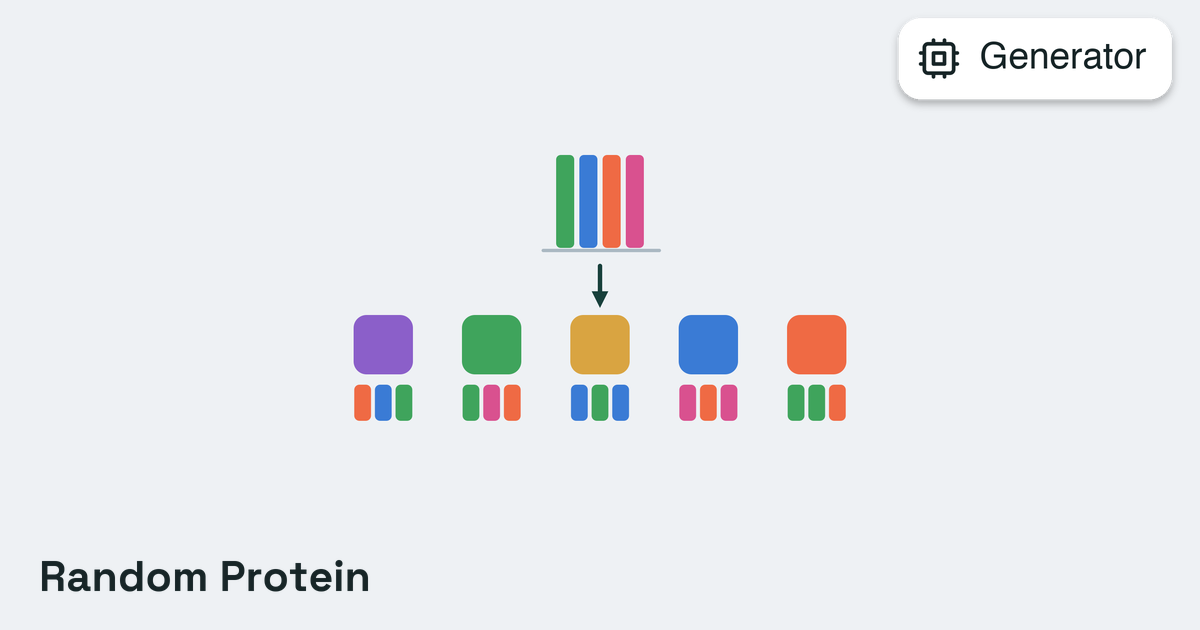
A generator is assigned to a segment and proposes new sequences on each iteration. Generators range from random mutation to protein language models such as ESM2, ESM3, and ProteinMPNN.
python
3
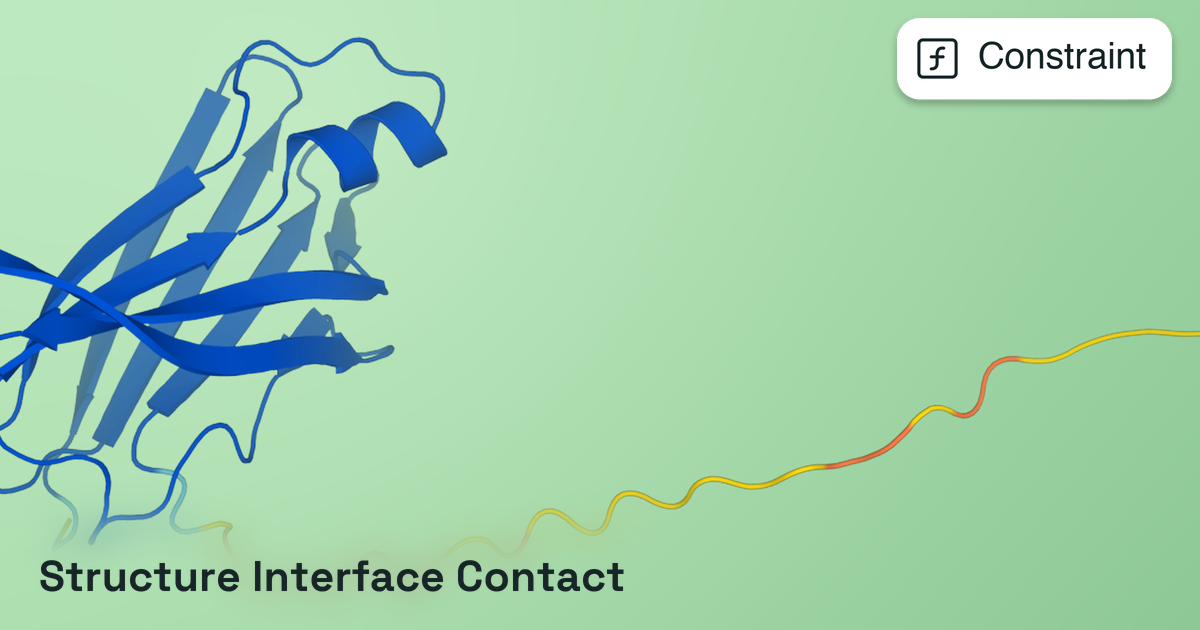
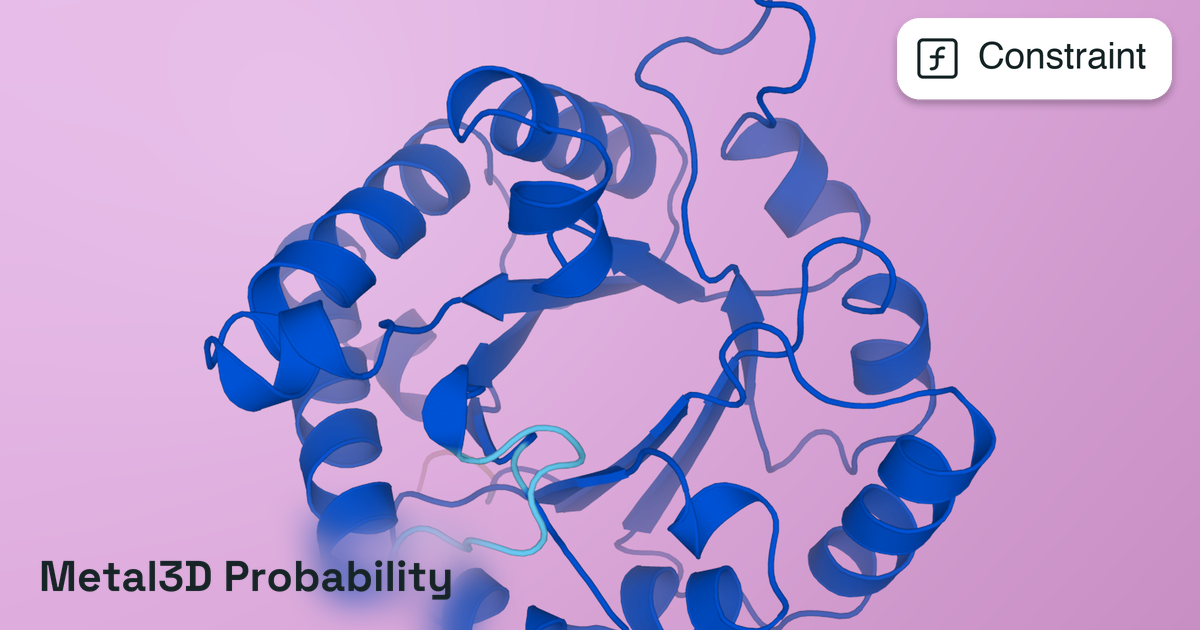
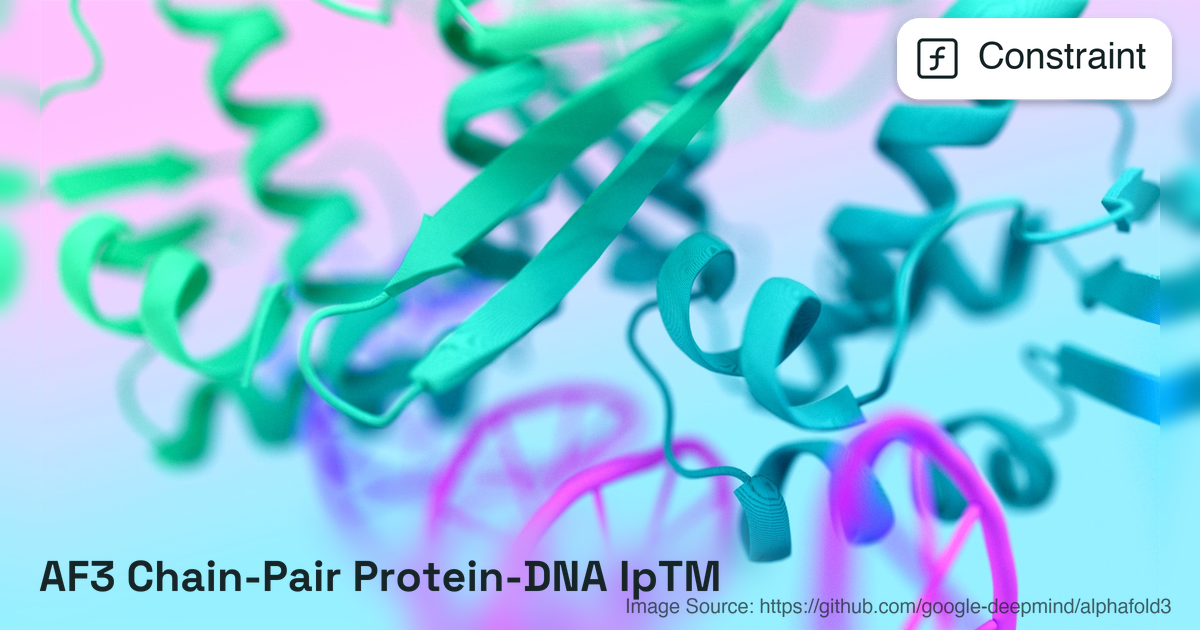
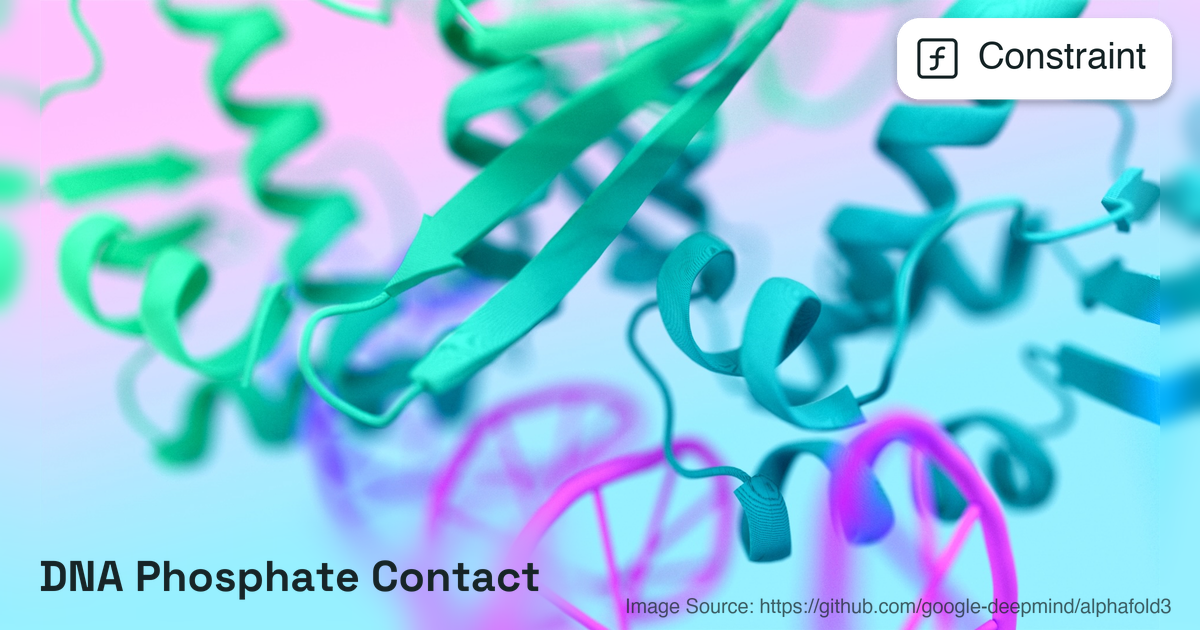
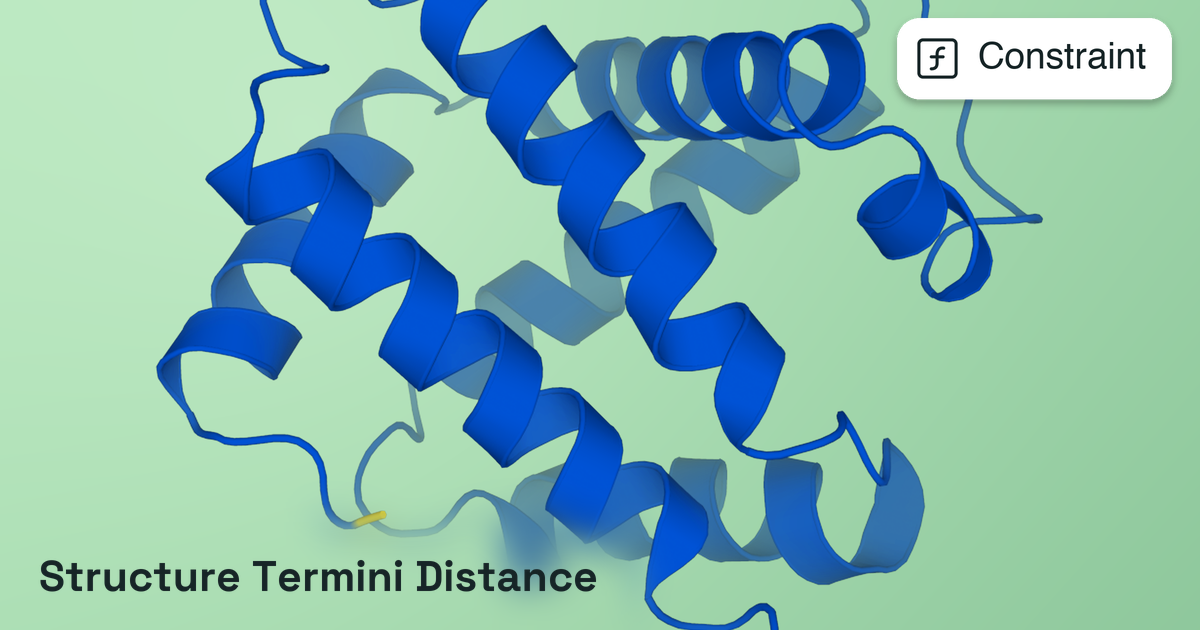
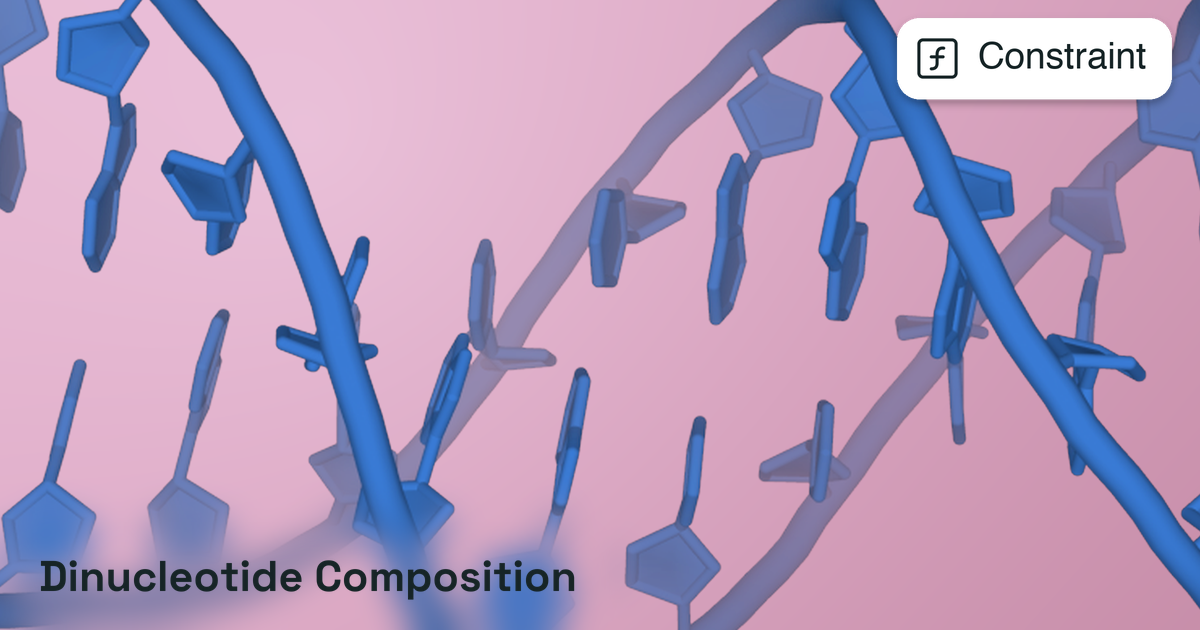
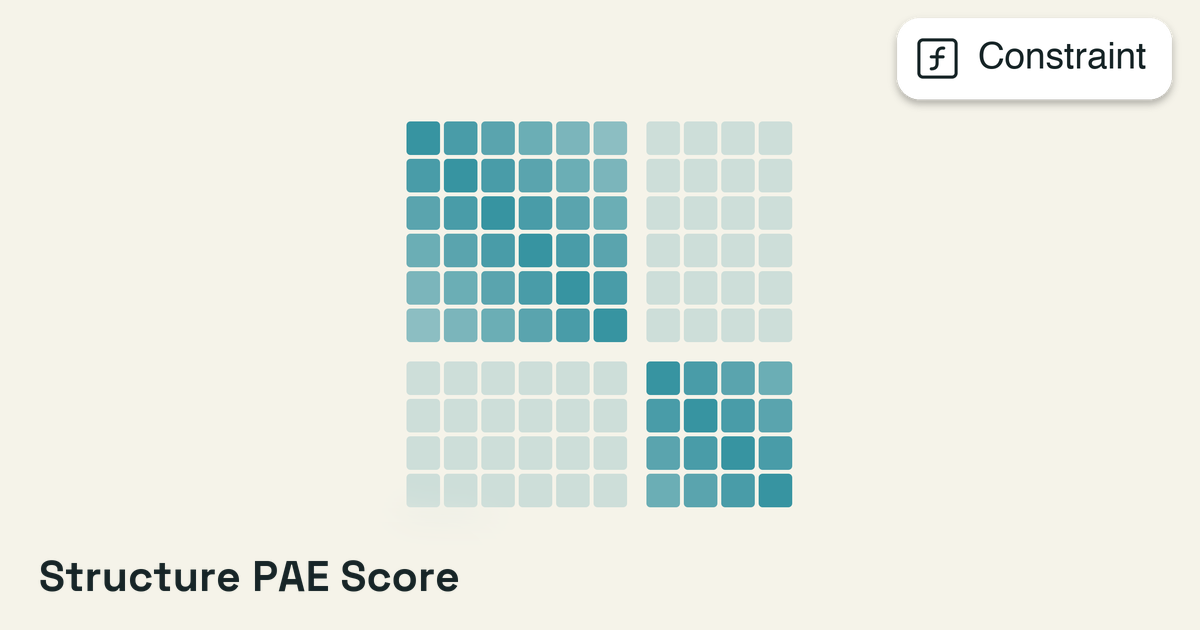
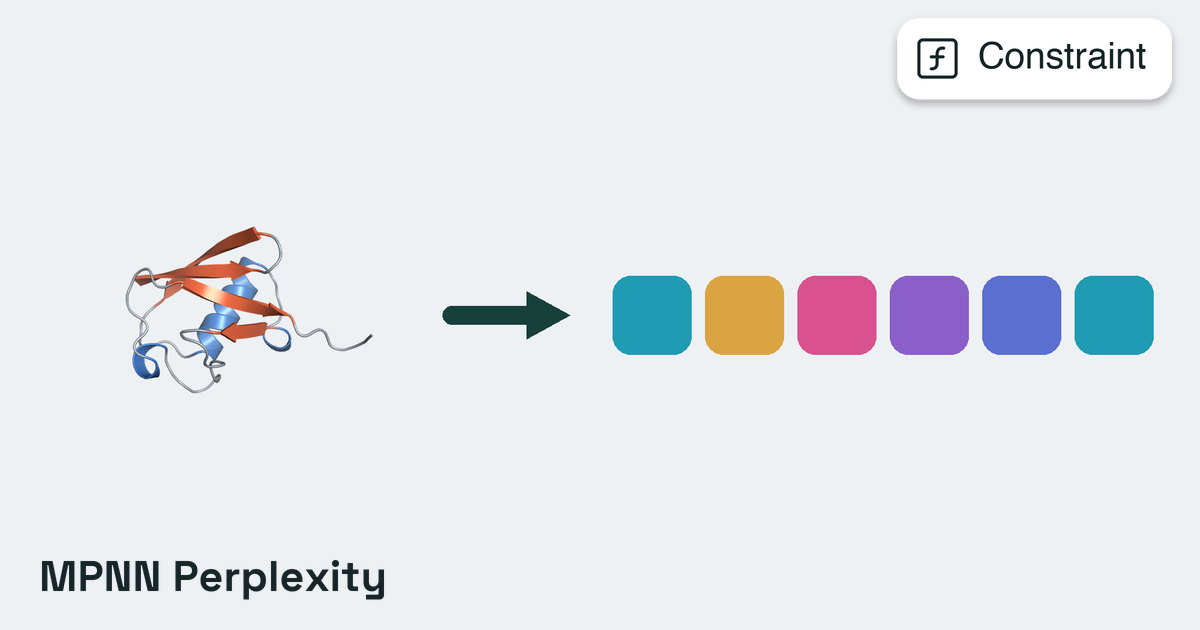
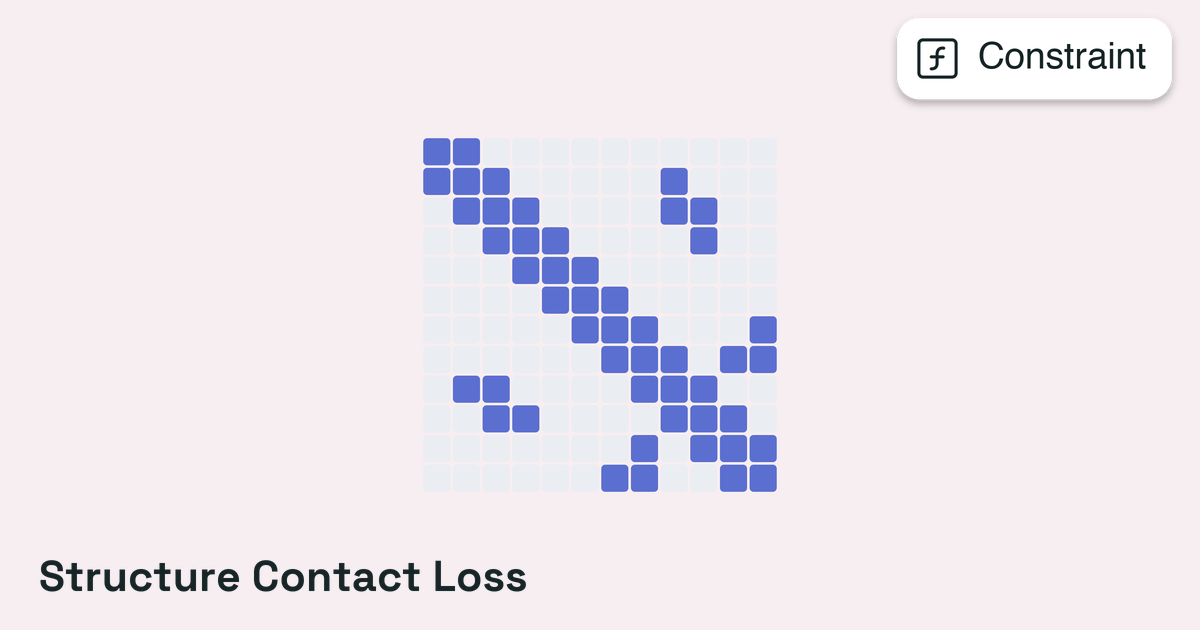
Constraints
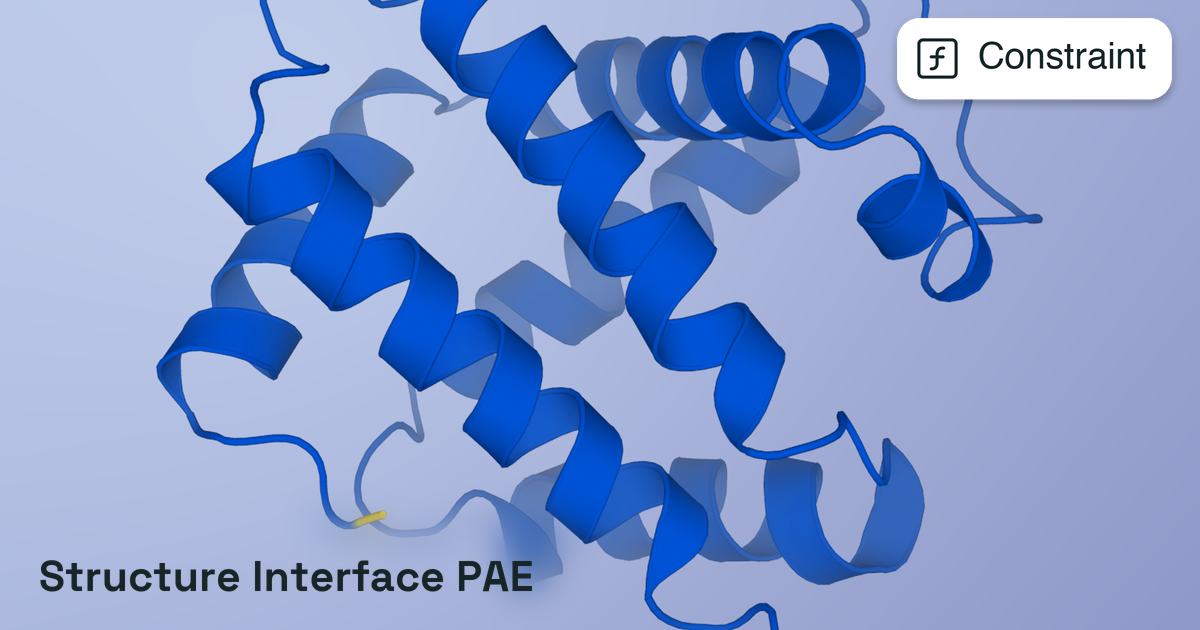
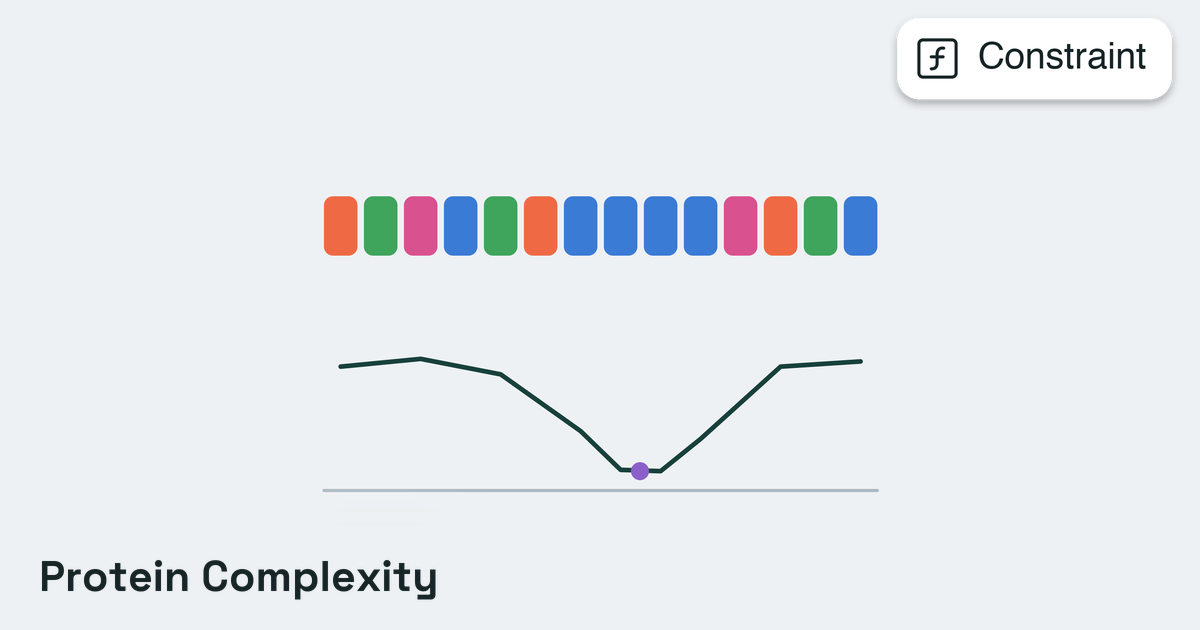
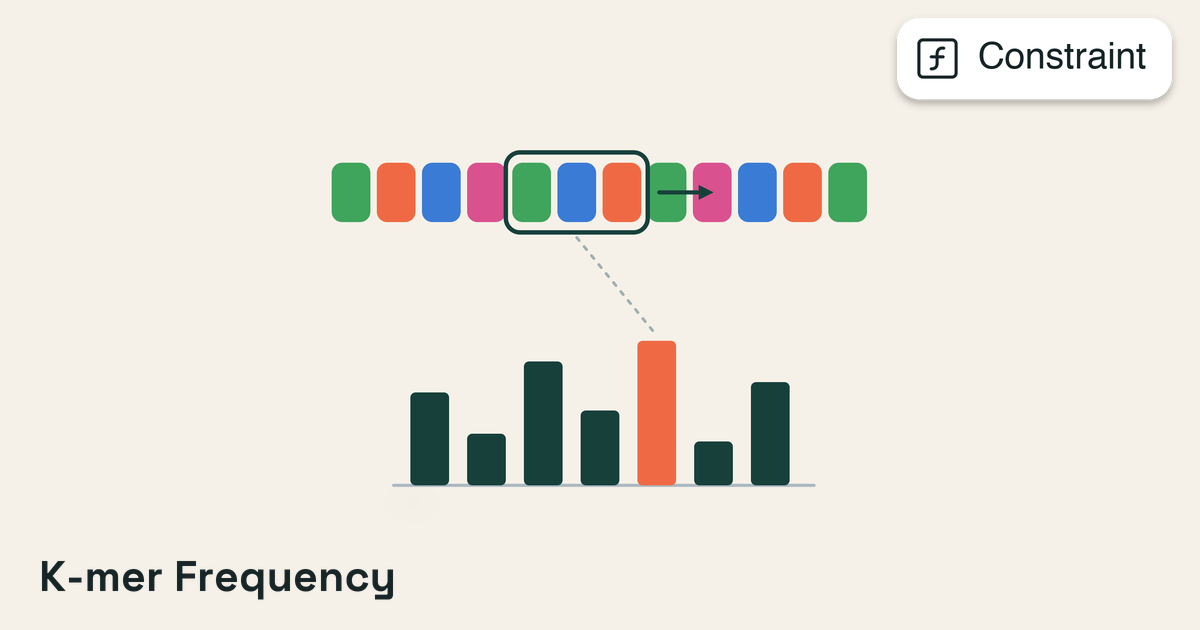
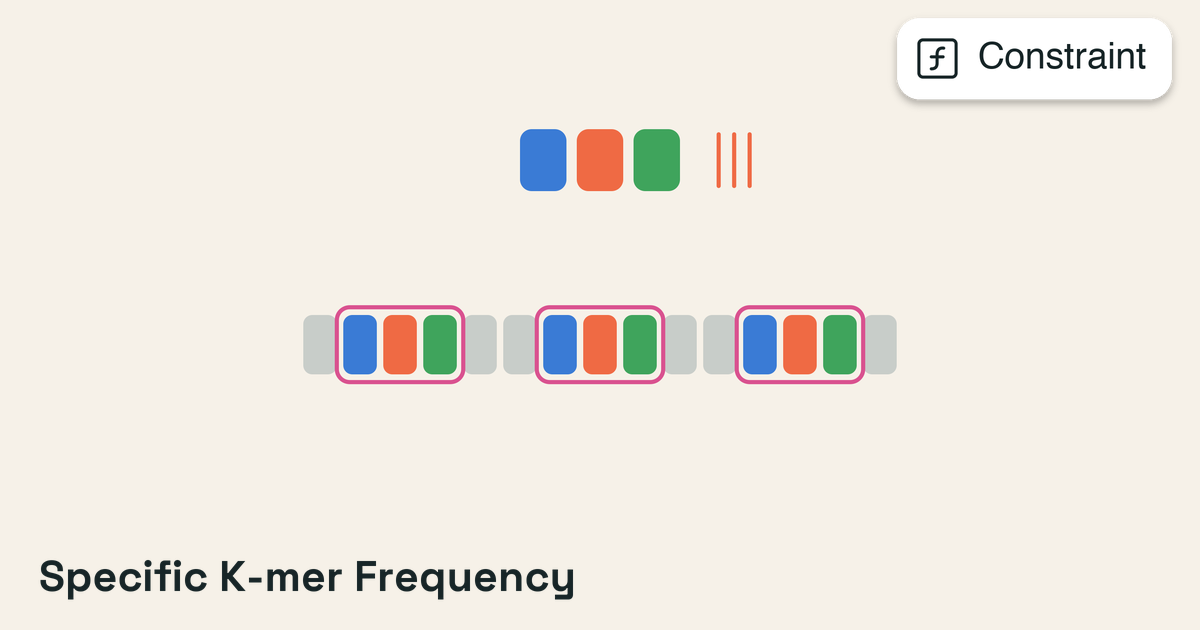
A constraint scores how well each proposal meets a requirement, from 0.0 (perfect) to 1.0 (worst). It uses either
weight for soft scoring or threshold for hard pass/fail filtering.python
4
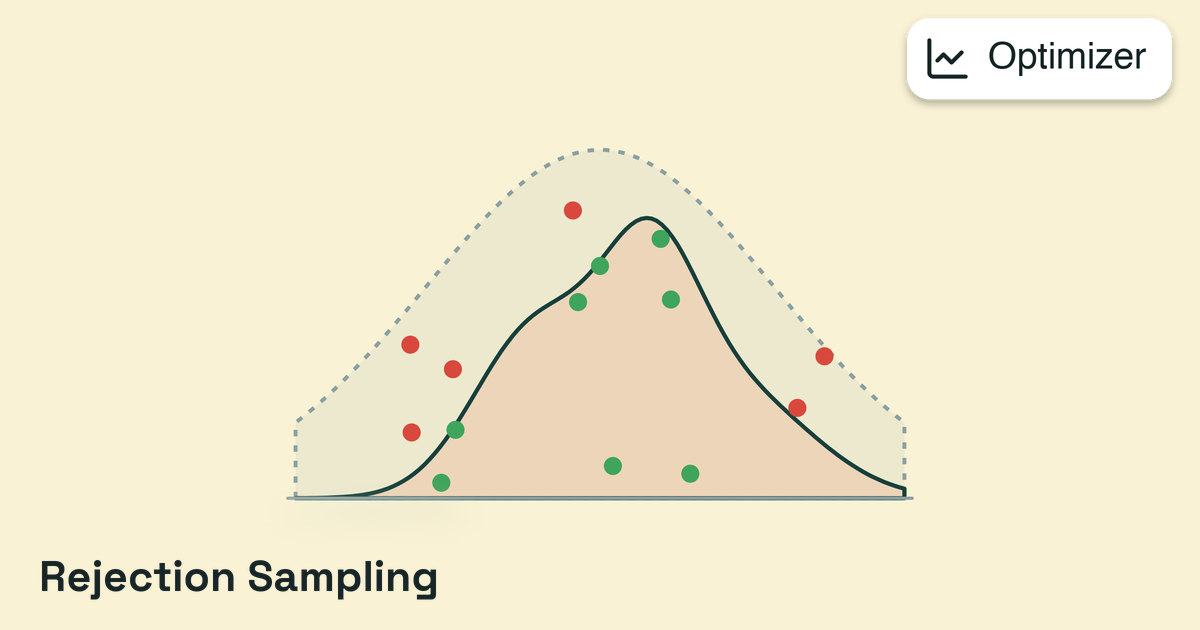
Optimizers and Programs
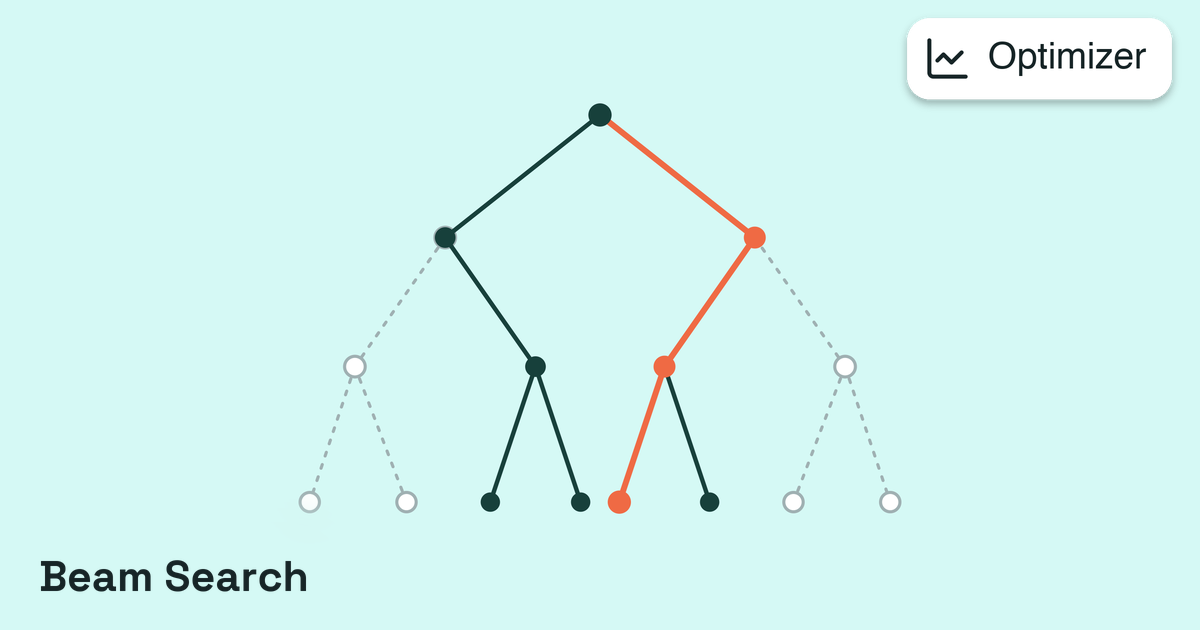
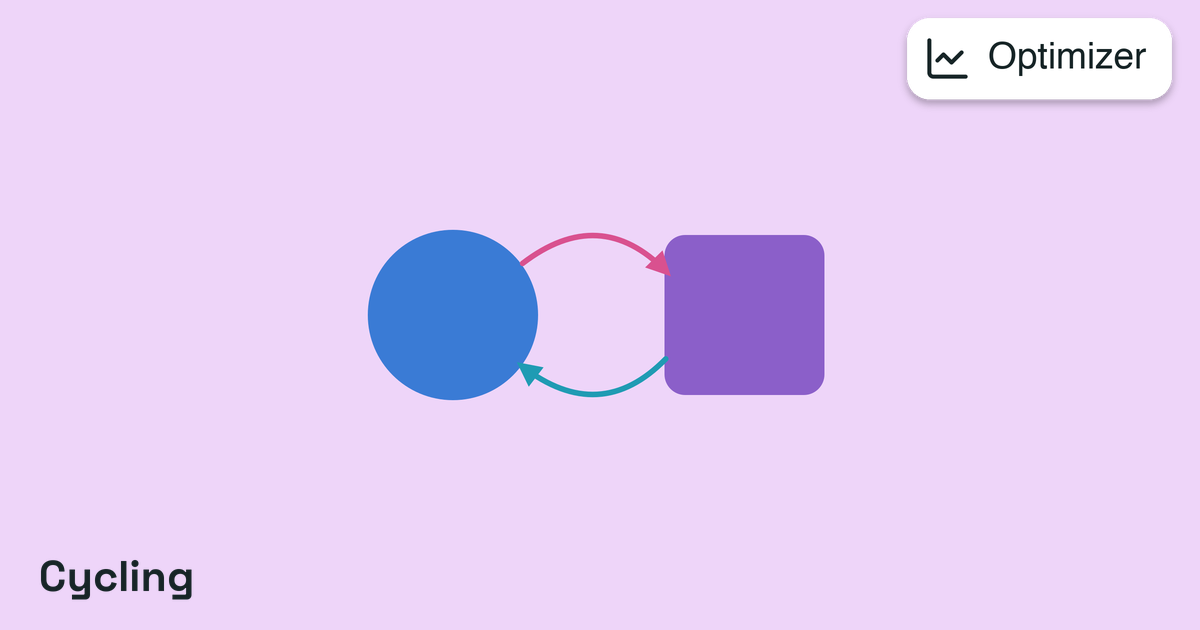
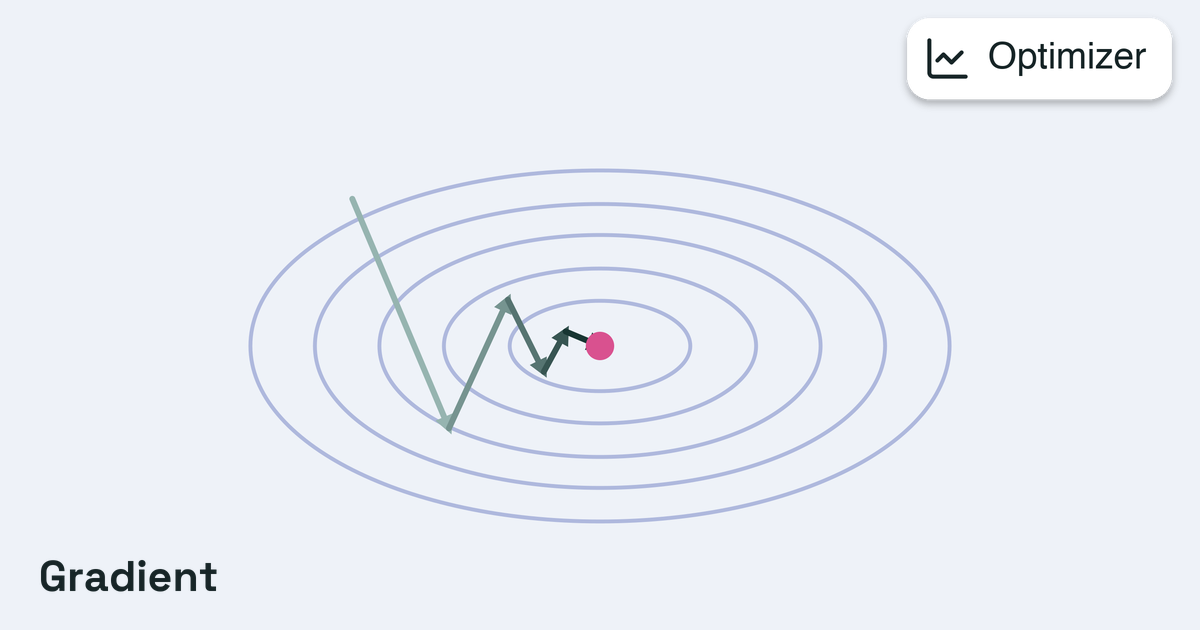
An optimizer searches sequence space to minimize the total constraint score. A Program chains several optimizers into a multi-stage pipeline, for example broad exploration followed by fine-tuning.
python
Architecture
The framework has the following components, which form an optimization loop:Applications
- Protein Design
- DNA Optimization
- RNA Engineering
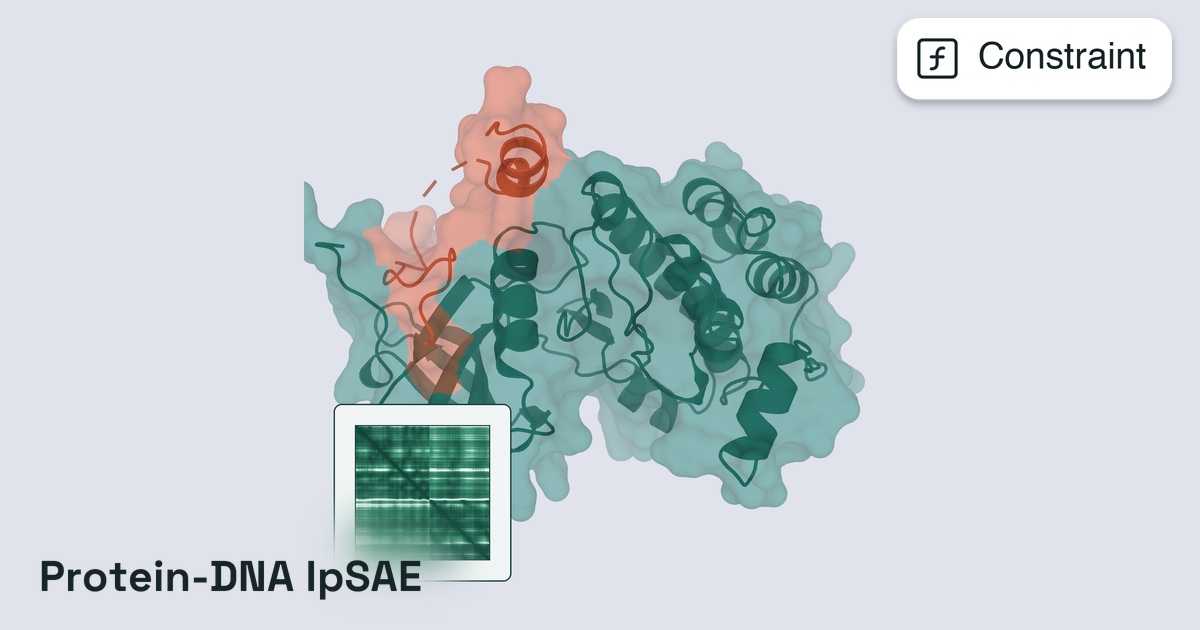
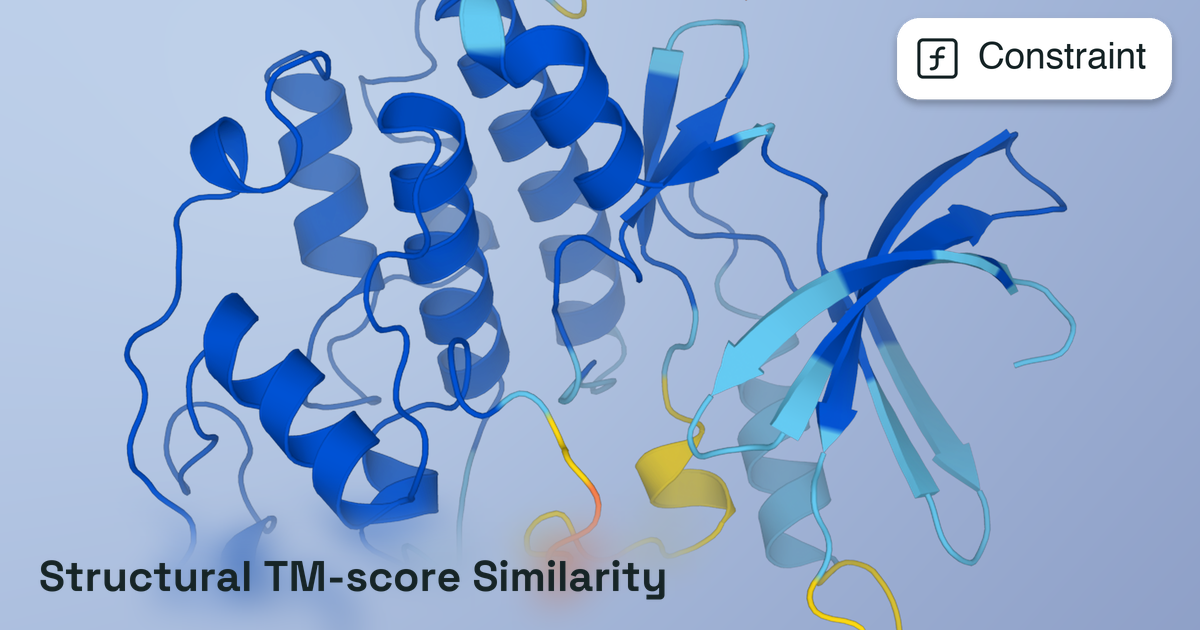
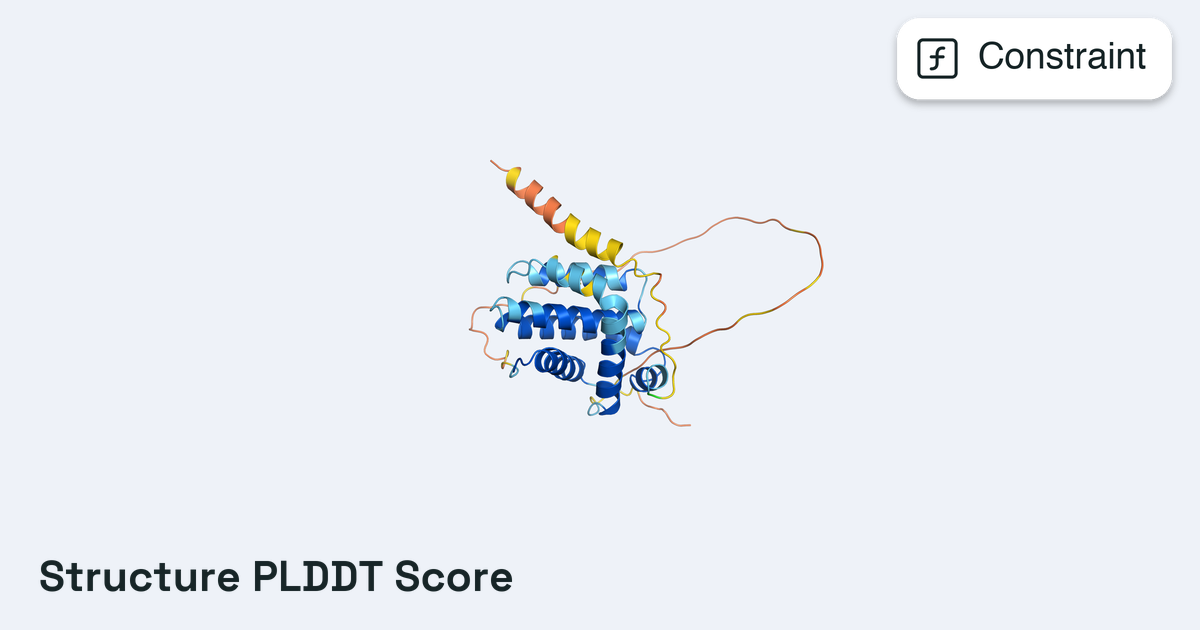
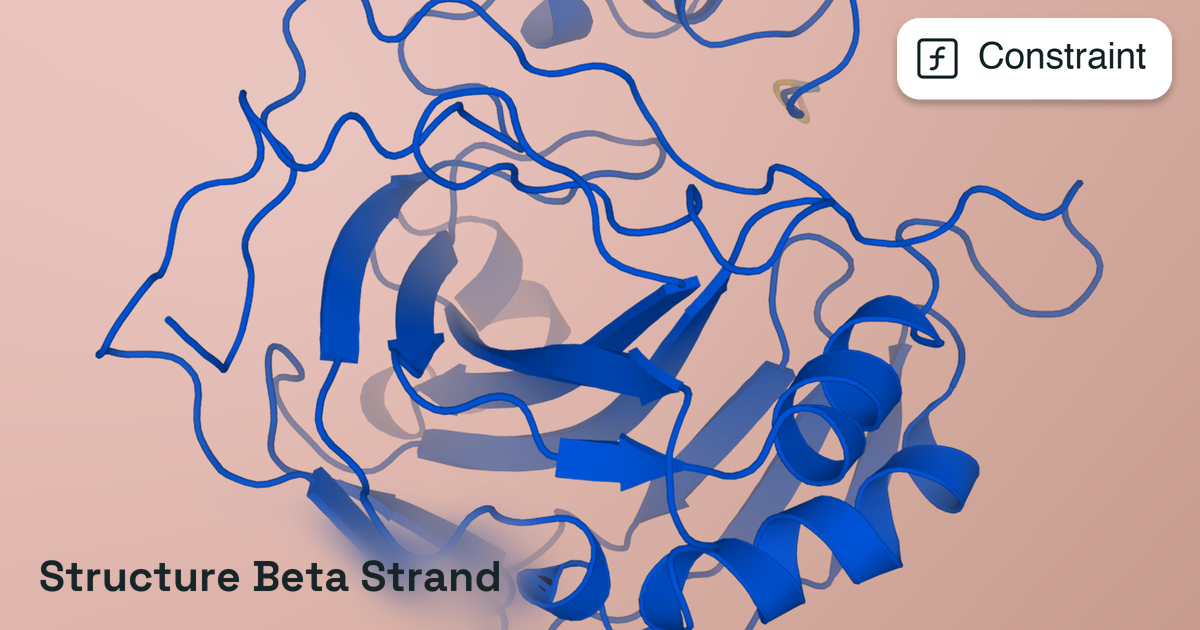
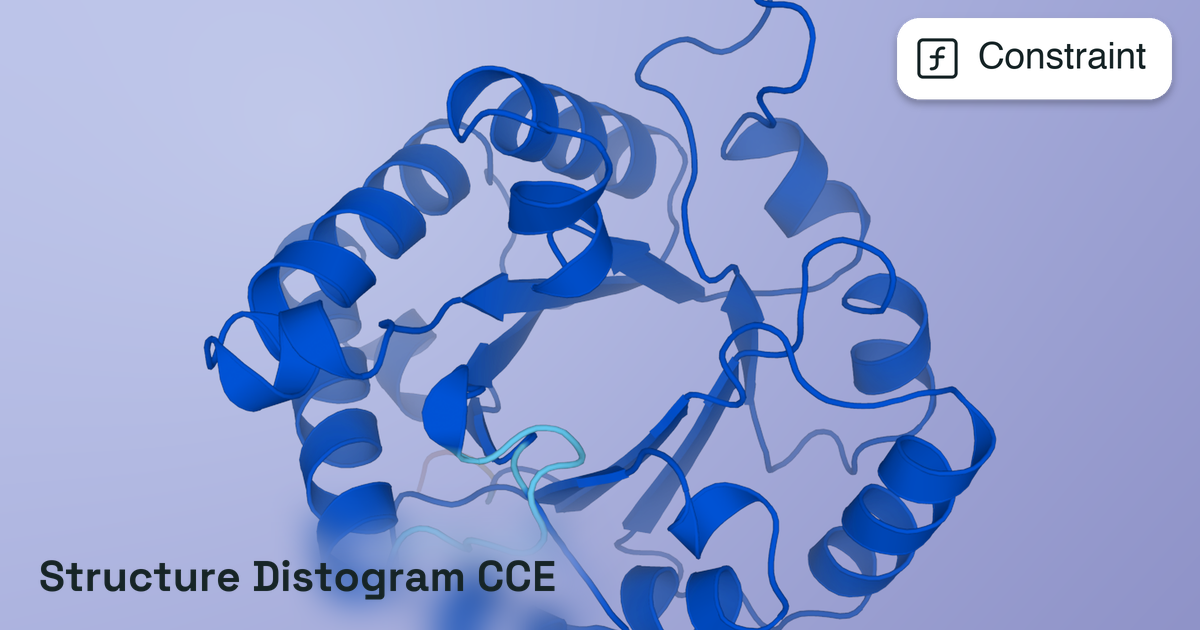
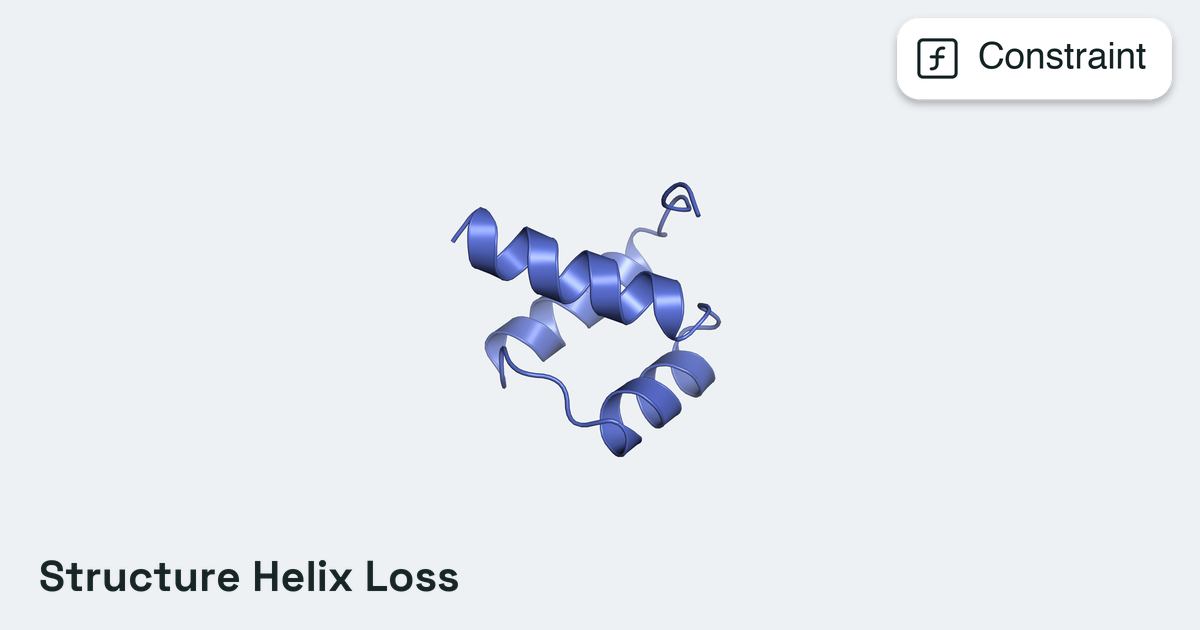
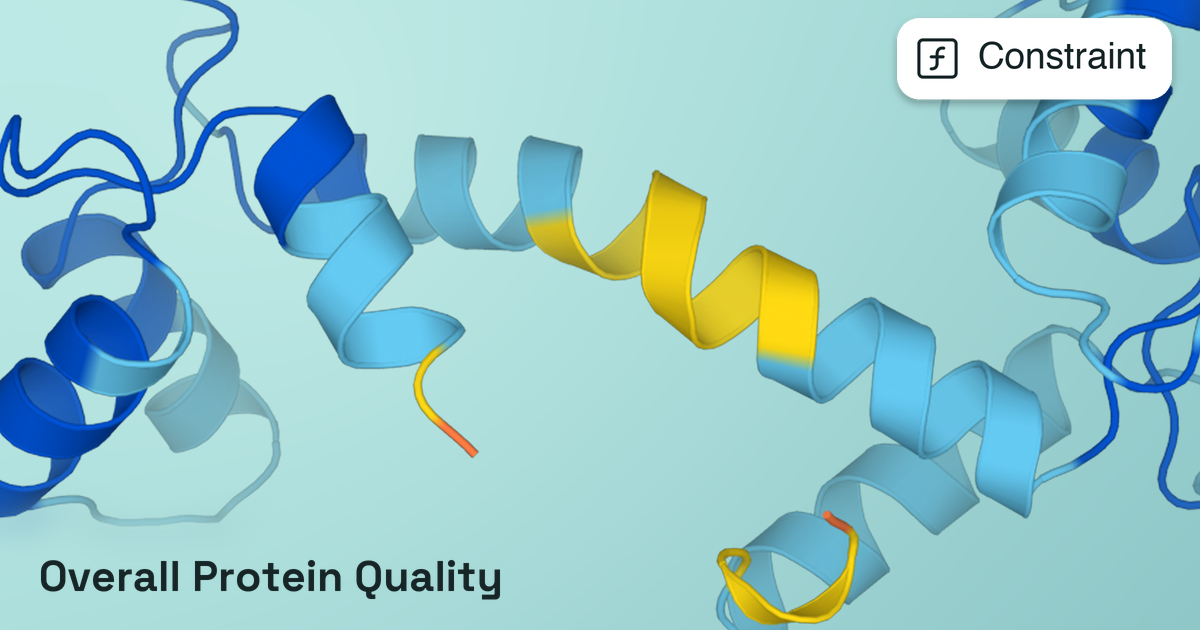
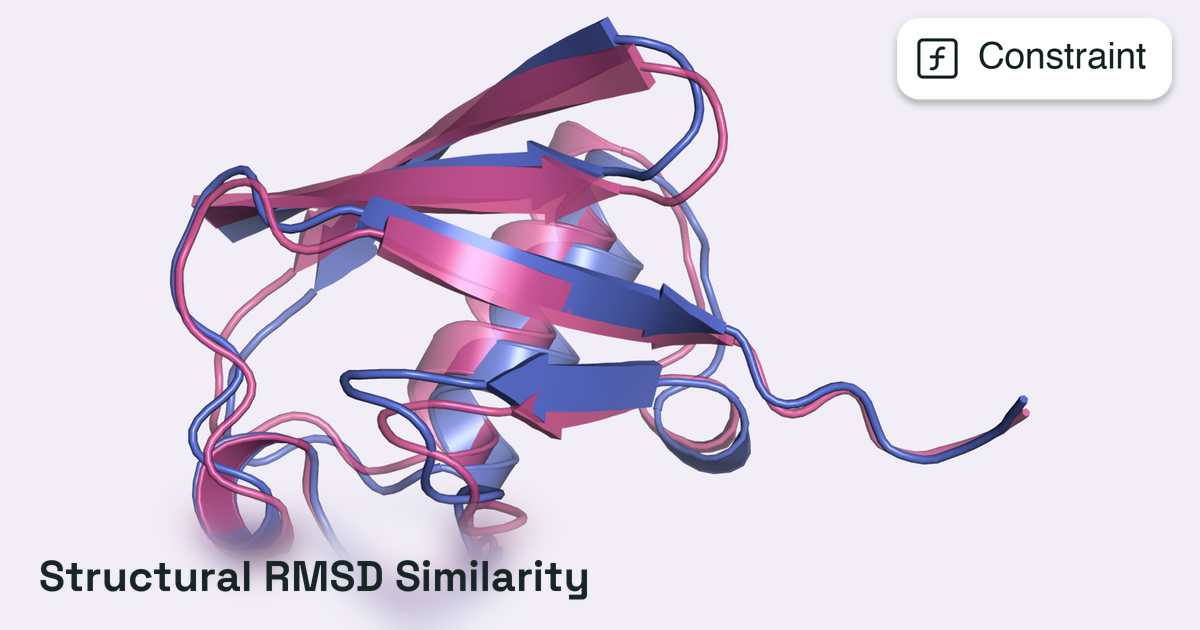
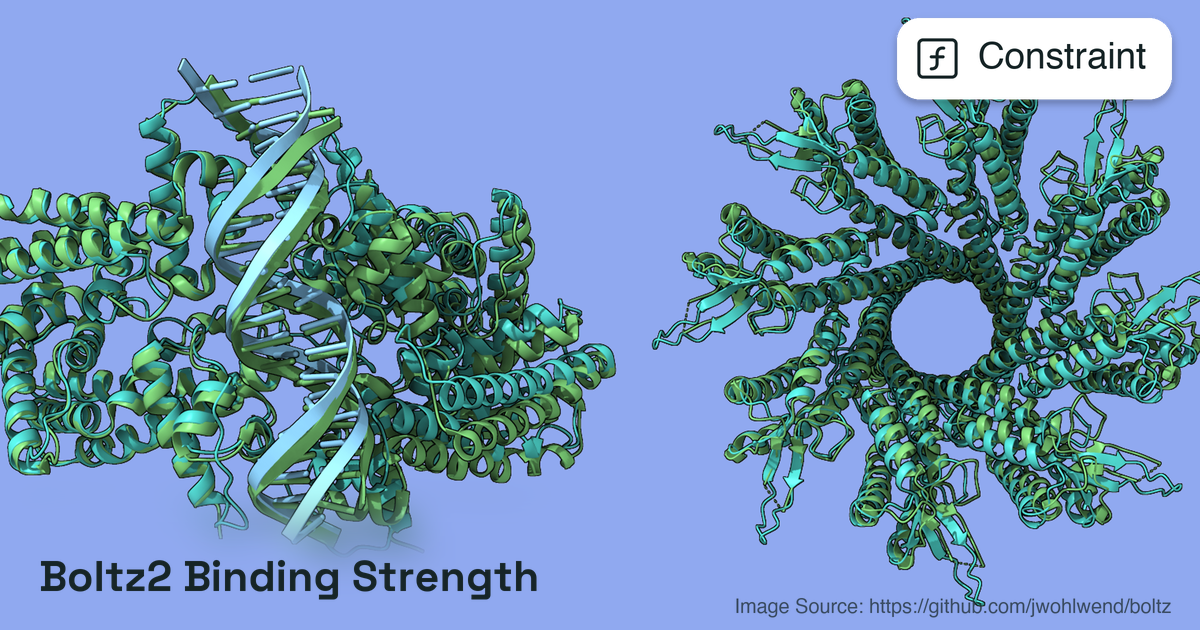
Proteins can be designed for predicted structural properties. ESM2 or ProteinMPNN generate proposals, which are scored by ESMFold or Boltz2 for folding confidence, by TM-score for structural similarity, and by additional quality metrics.
python
Key Features
Declarative Design
Sequences are specified by the properties they must satisfy rather than by a search procedure. Constraints define the requirements; the optimizer performs the search.
Composable Components
Generators, constraints, and optimizers combine freely. Multi-stage pipelines chain broad exploration with targeted refinement.
Integrated ML Models
Built-in support for protein language models, structure predictors, inverse-folding models, and genomic deep-learning models.
Bioinformatics Tools
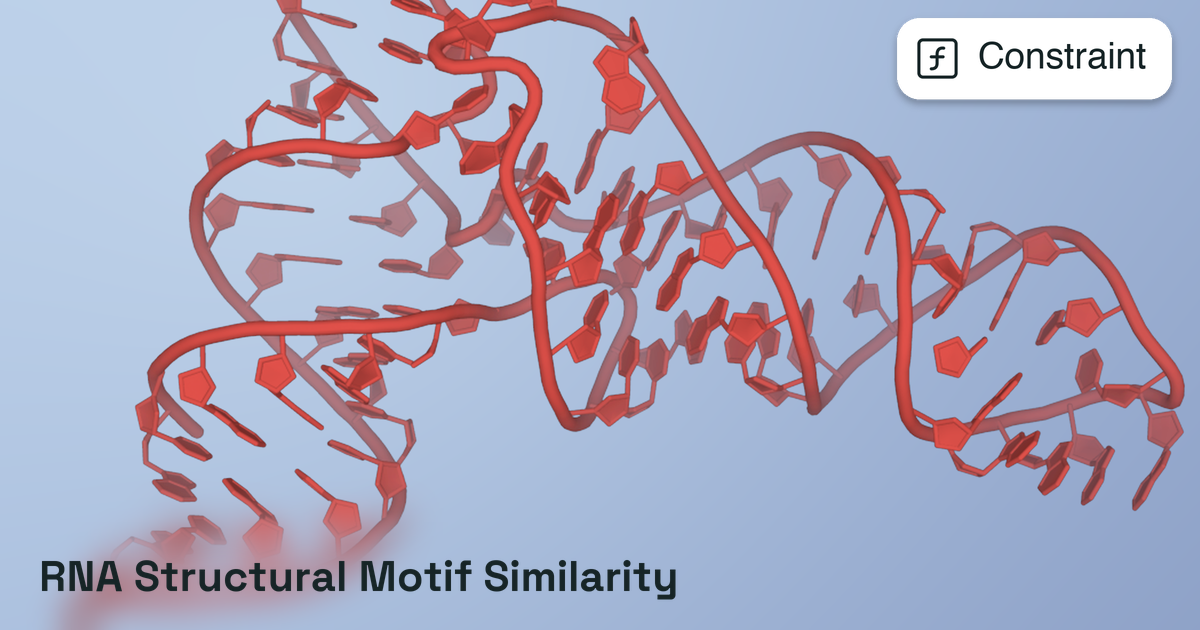
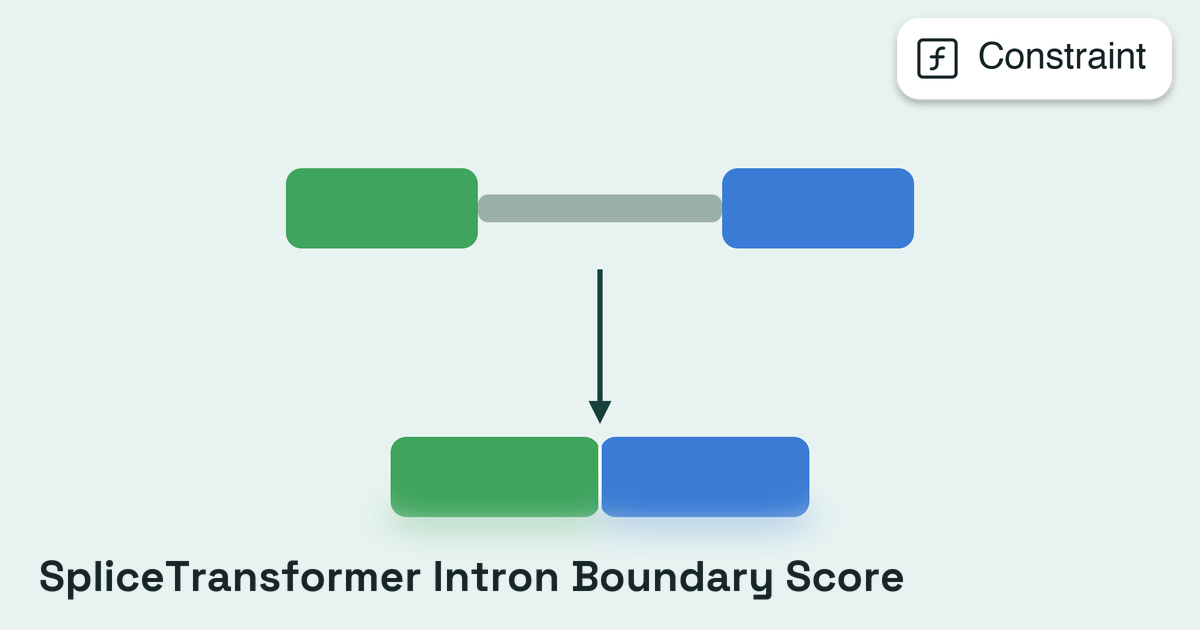
Tools for structure prediction, sequence search, motif analysis, splicing prediction, and annotation are callable as constraints.
Multi-Objective Optimization
Competing requirements are balanced through weighted scoring and hard threshold filters across any number of constraints.
CPU and GPU
Lightweight generators and constraints run on CPU; structure prediction, language models, and genomic deep learning run on GPU when available.
Get Started
Installation
Install Proto on CPU or GPU, using pip or conda.
Quickstart
A step-by-step, runnable tutorial for a first design.
Core Concepts
Reference on segments, constructs, generators, constraints, optimizers, and programs.