





















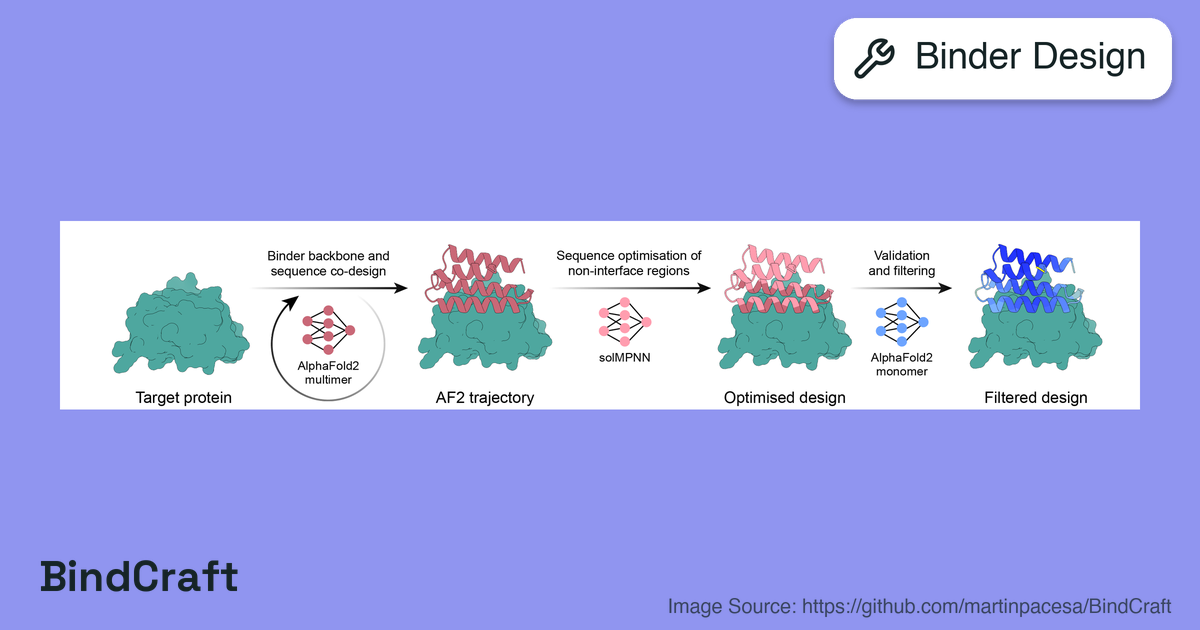

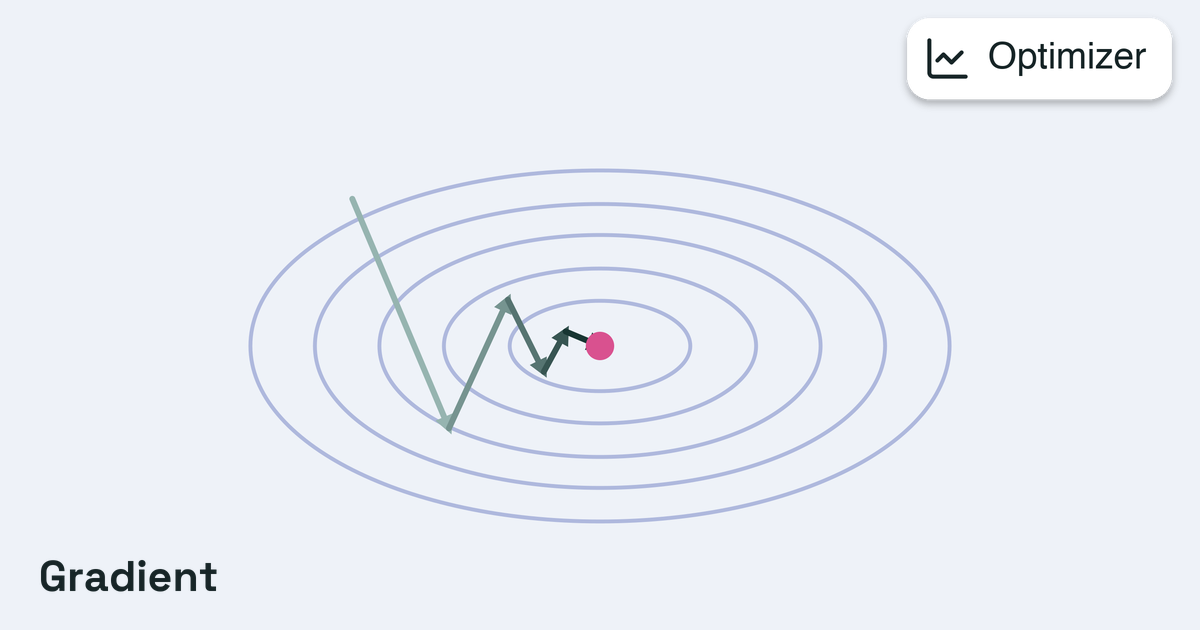


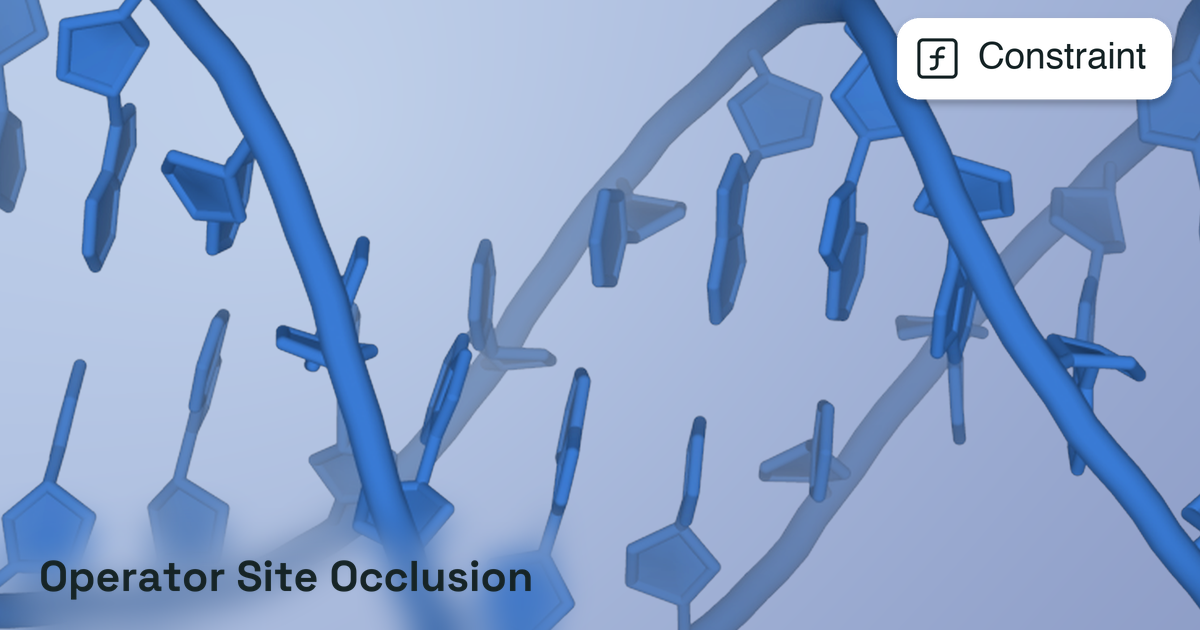

















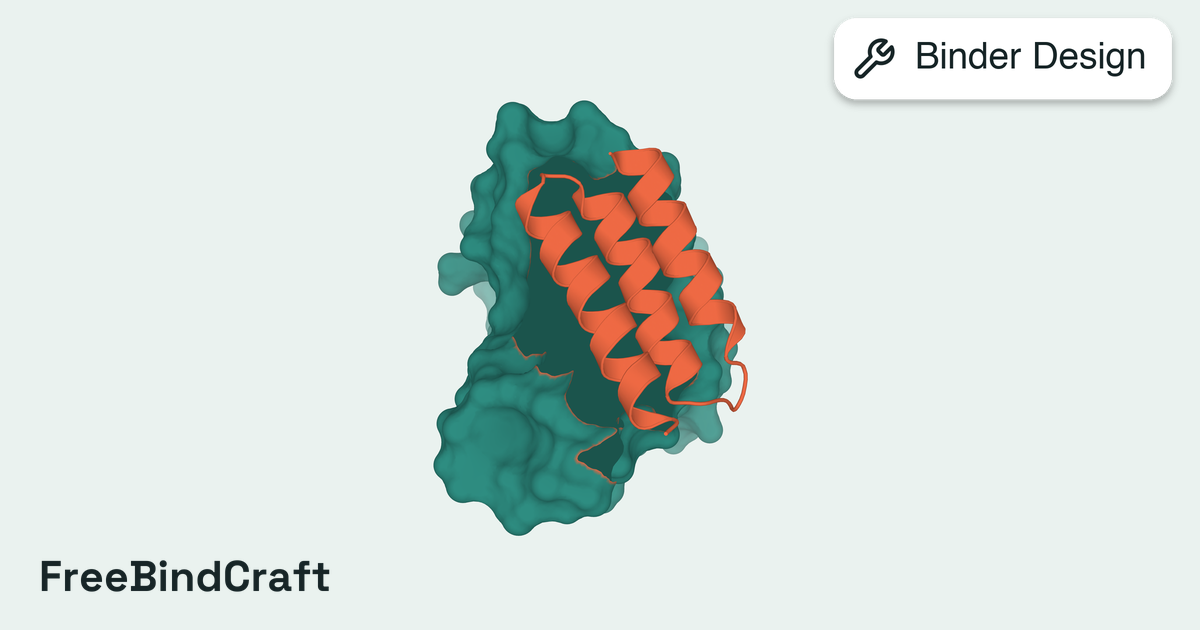
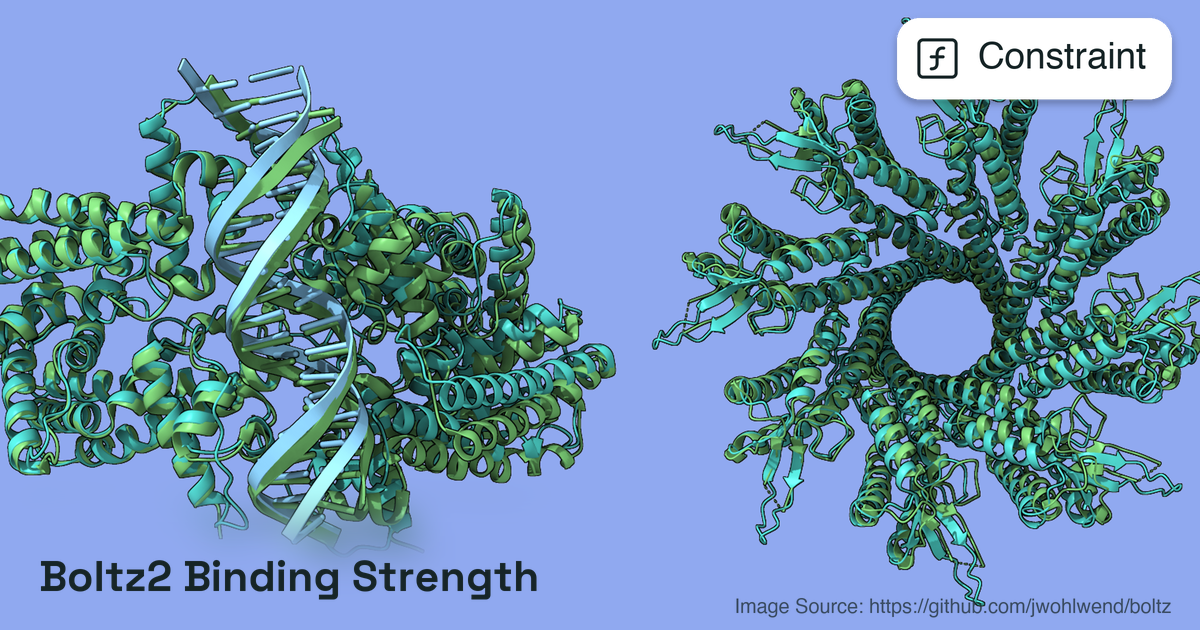

































The Open-Source Infrastructure Layer for Biology
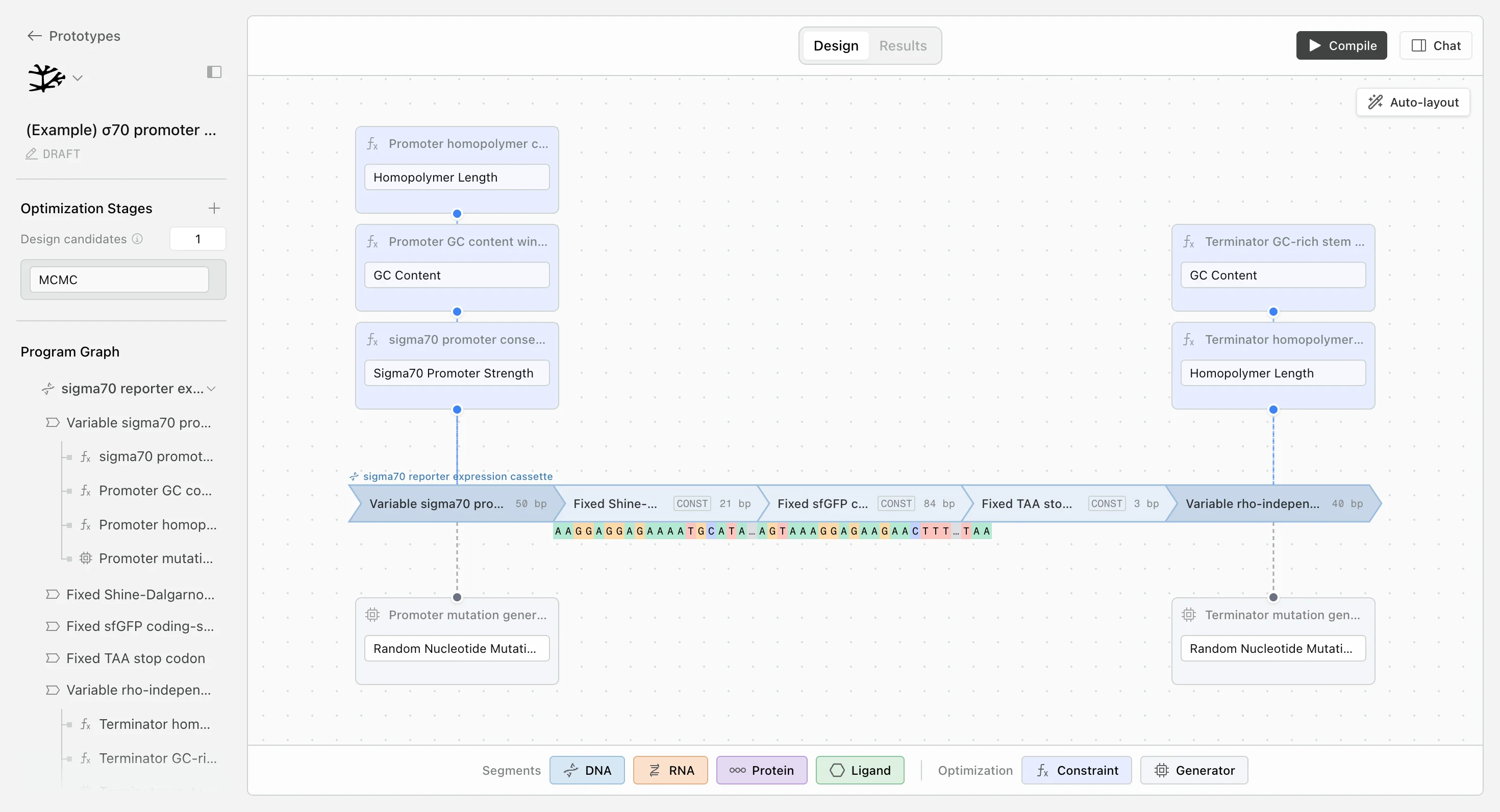
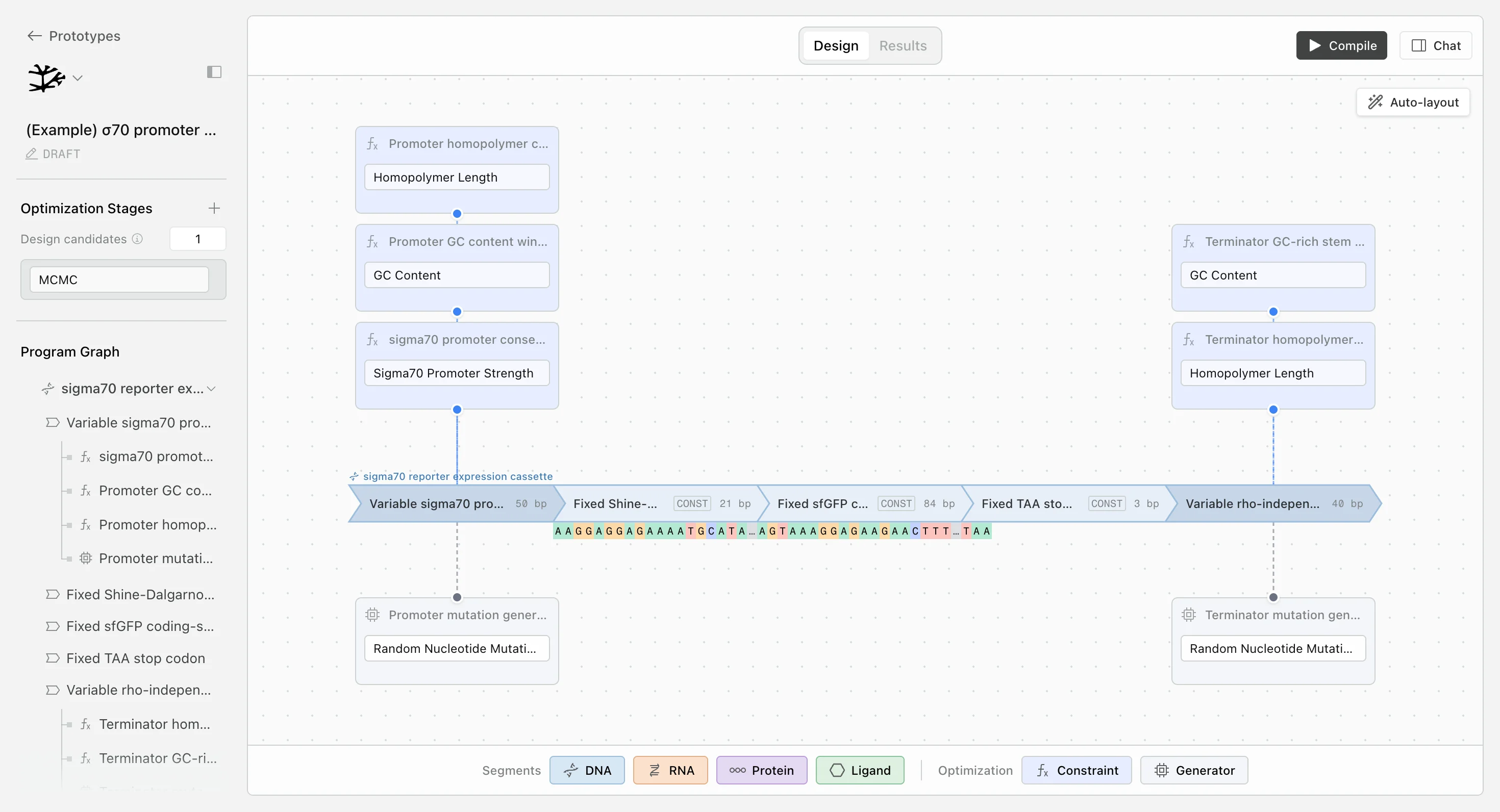




Two Components
Language
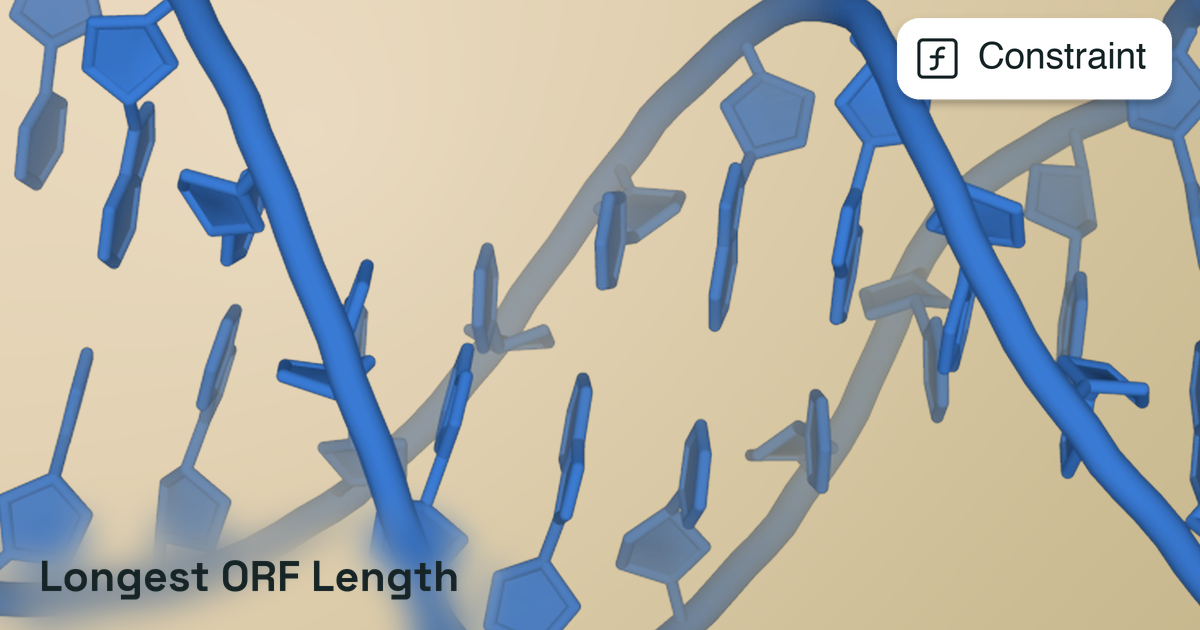
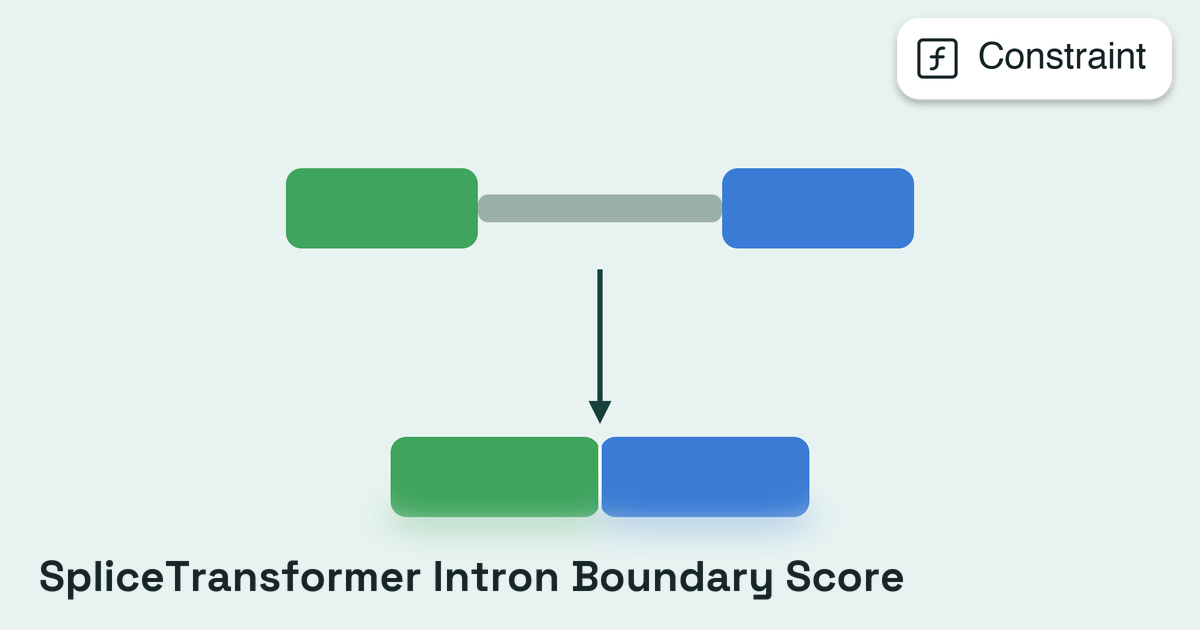
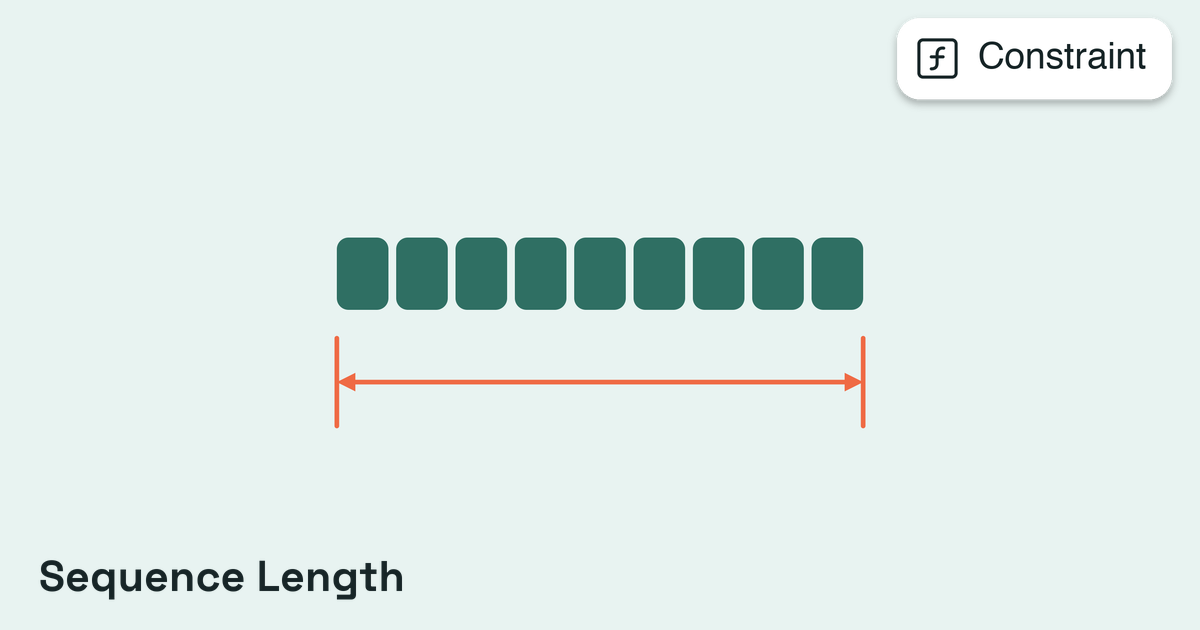
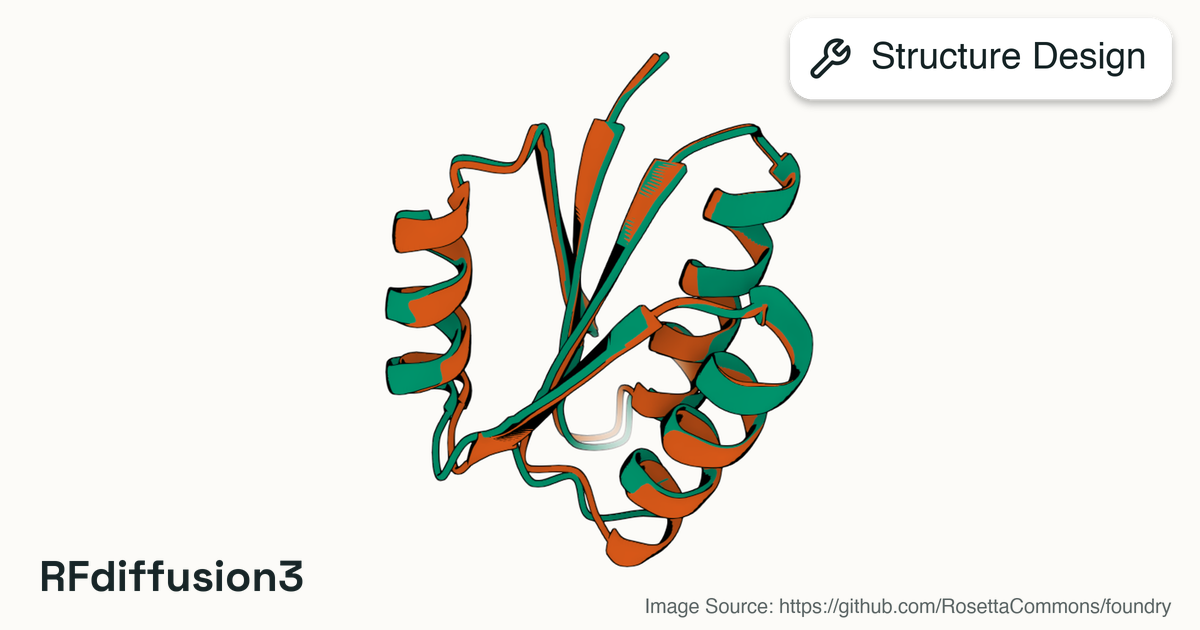
A constraint-based optimization framework for designing DNA, RNA, and protein sequences. Declare what you want, compose generators and scorers, and chain optimization stages into pipelines.
Tools
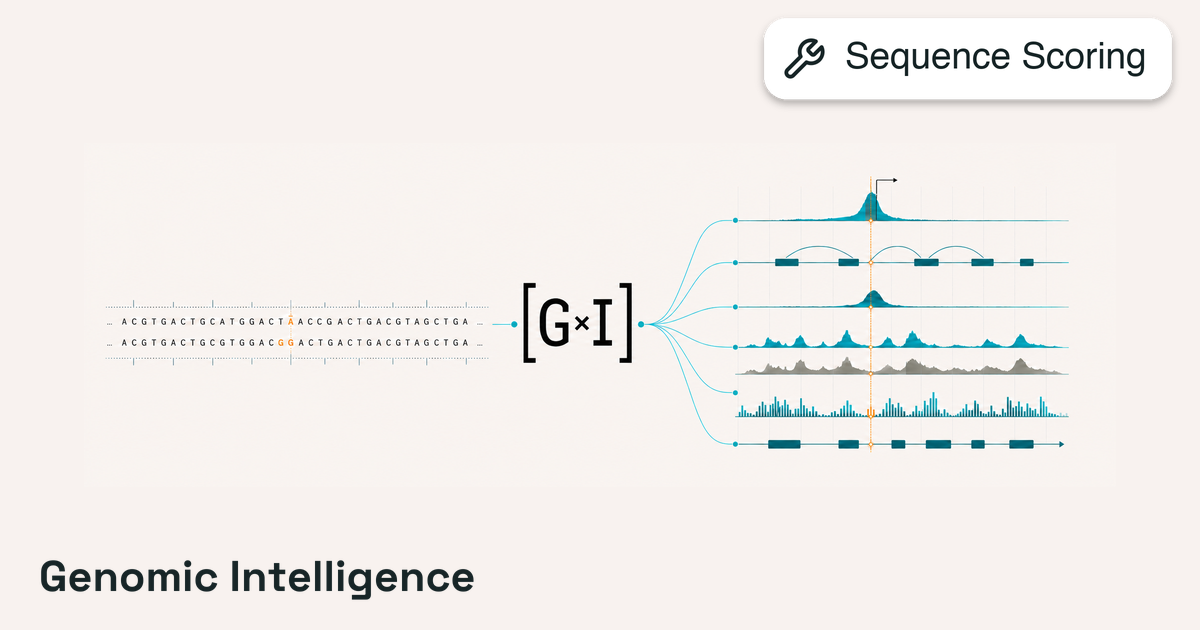
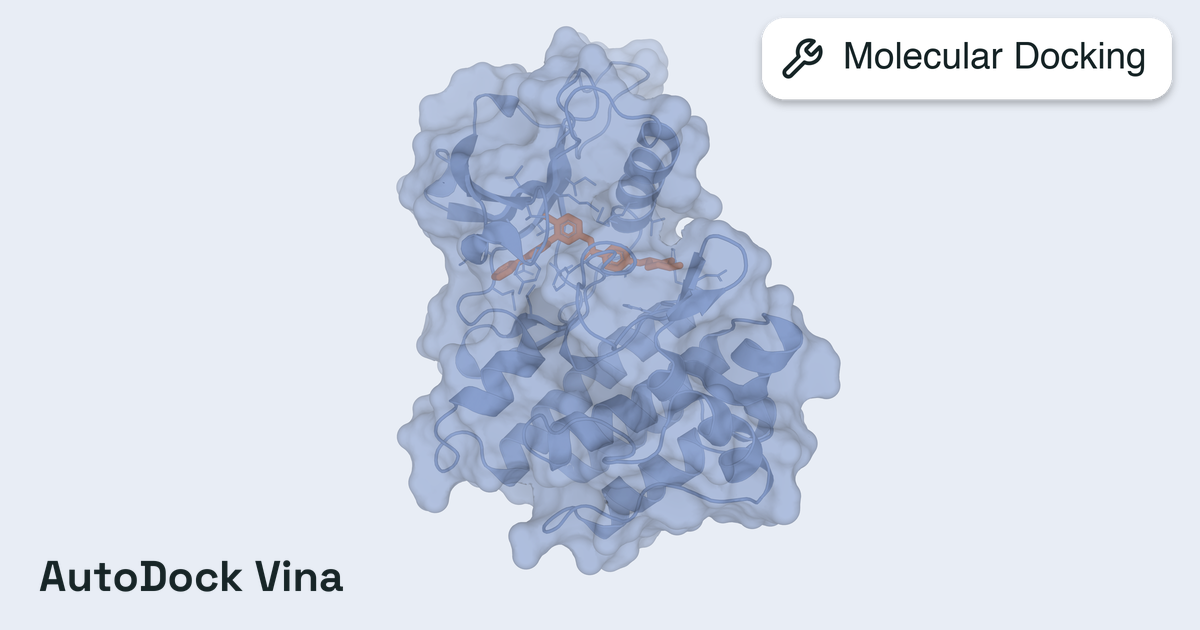
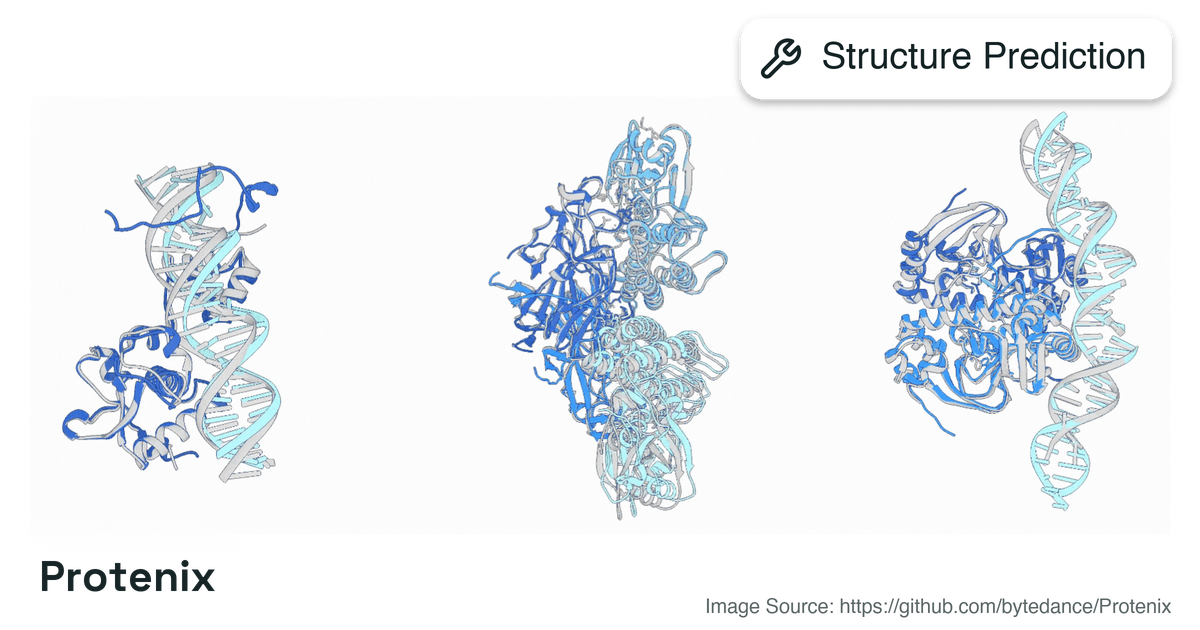
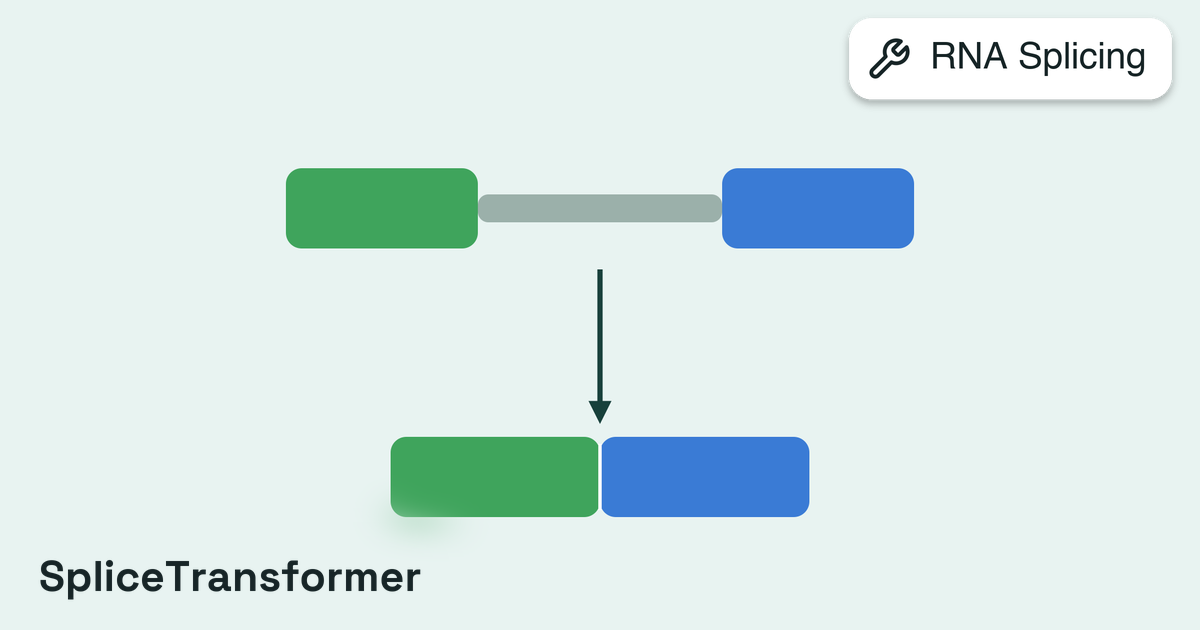
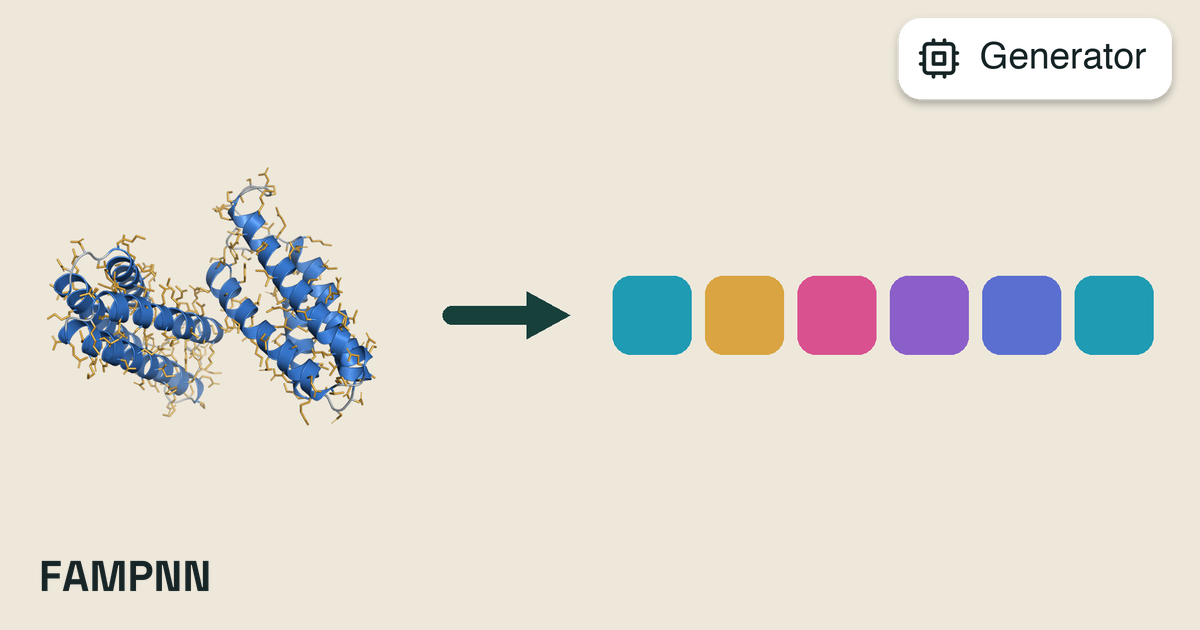
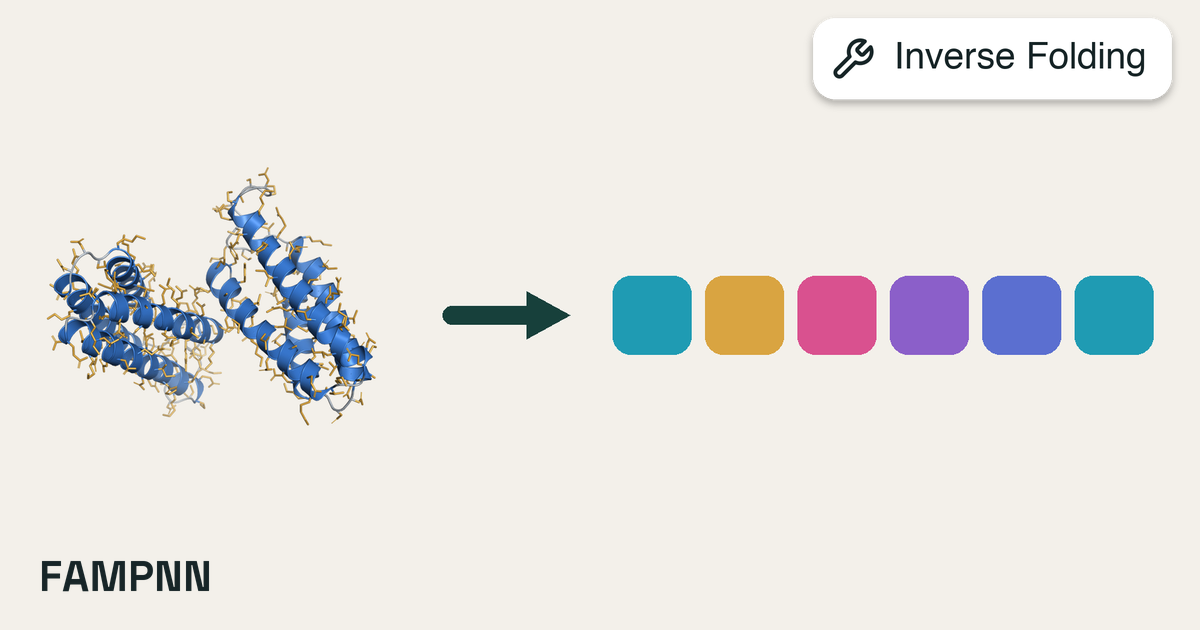
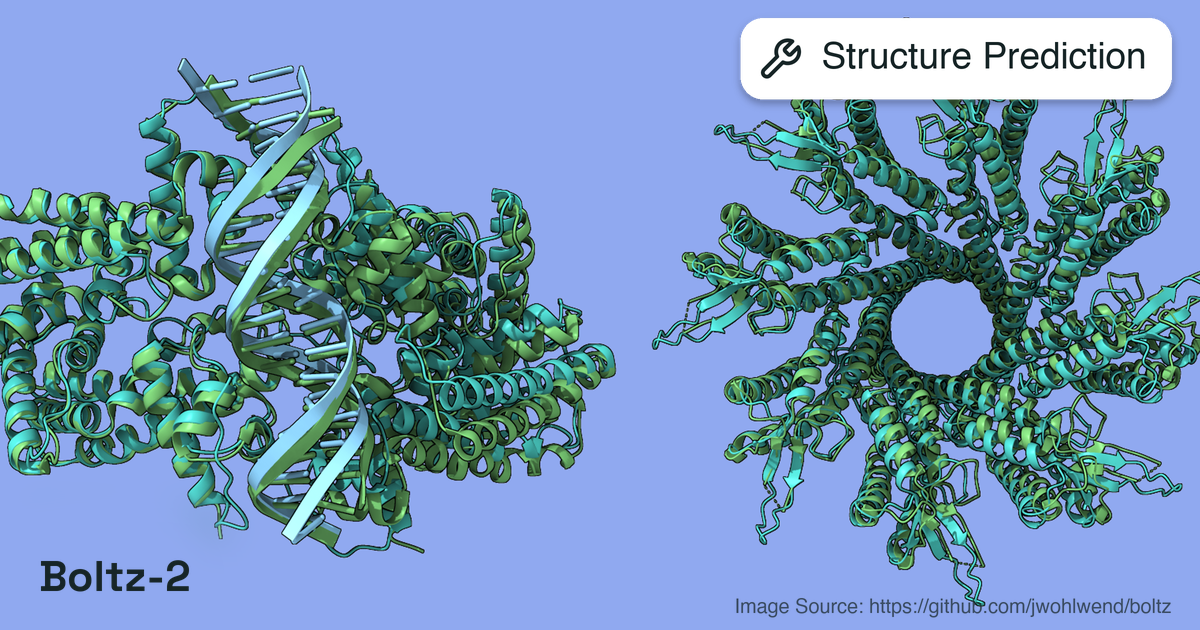
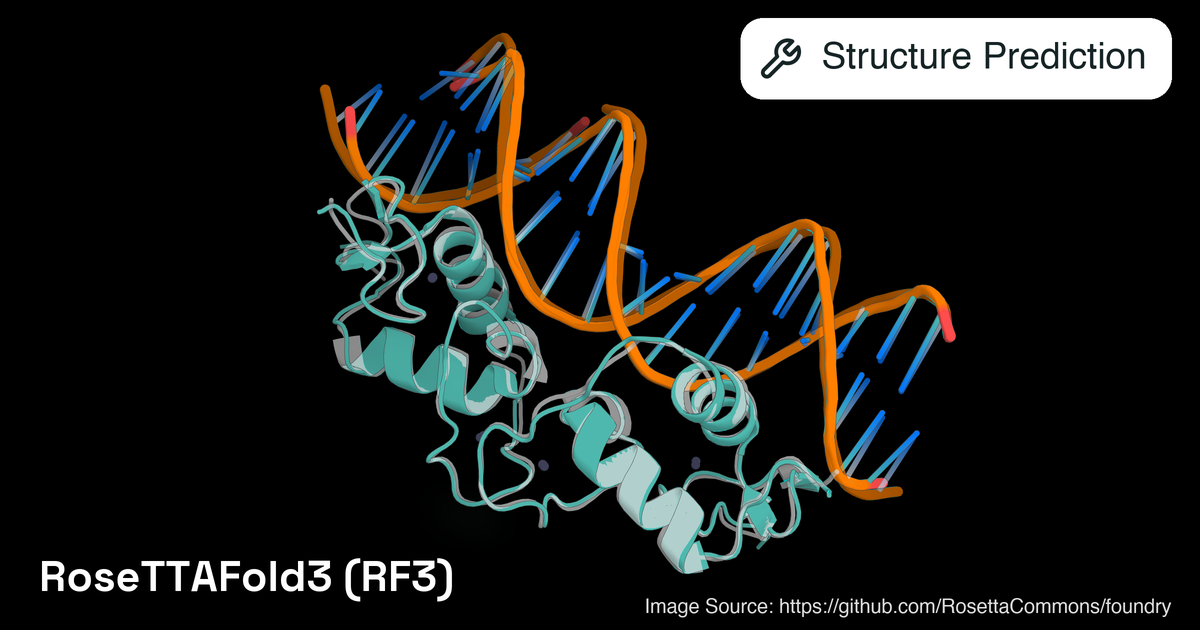
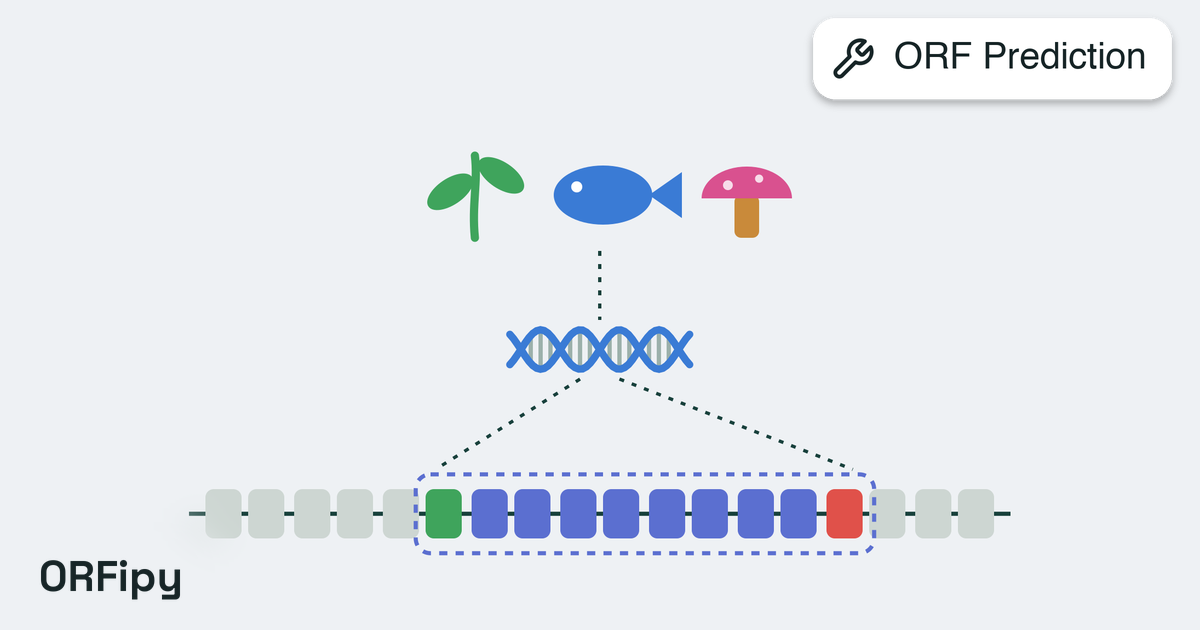
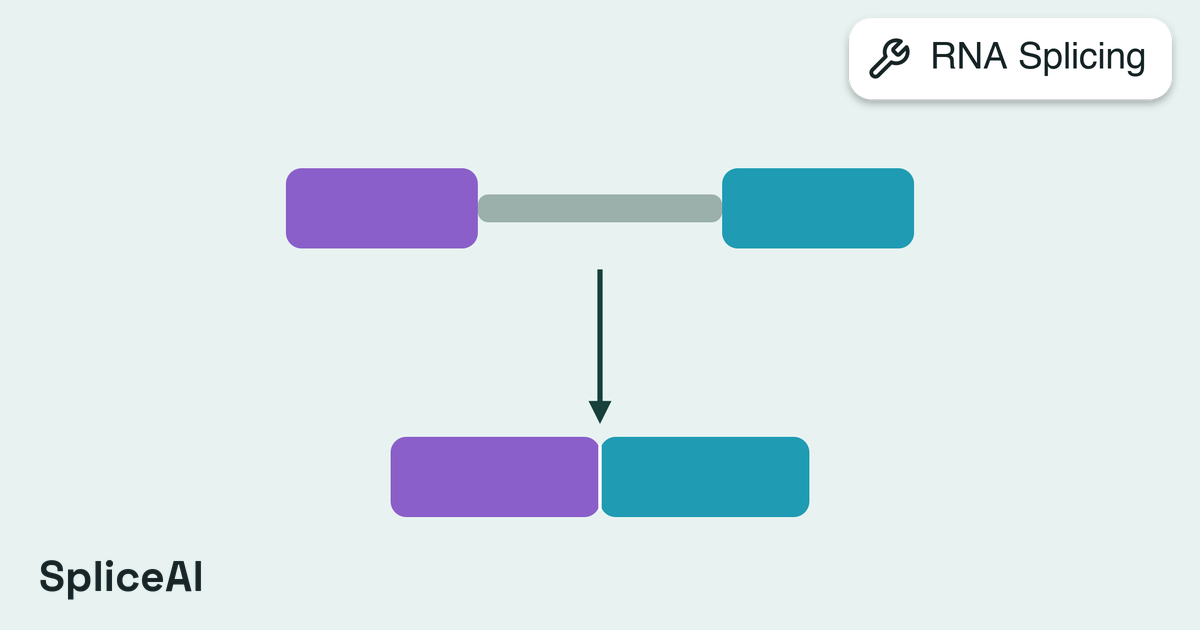
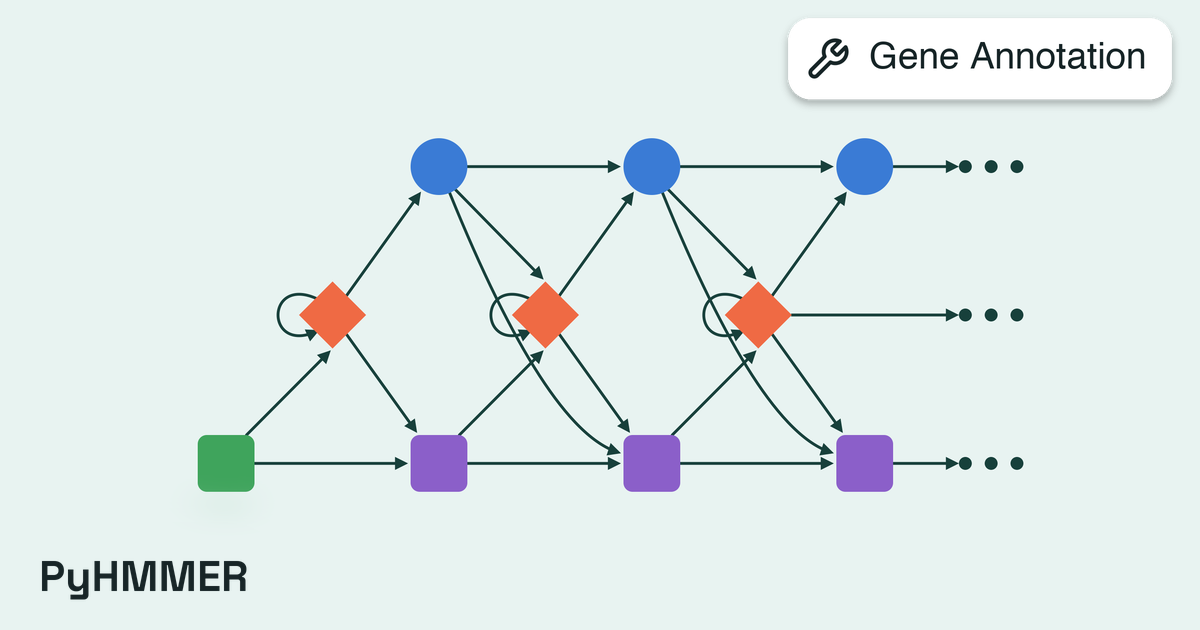
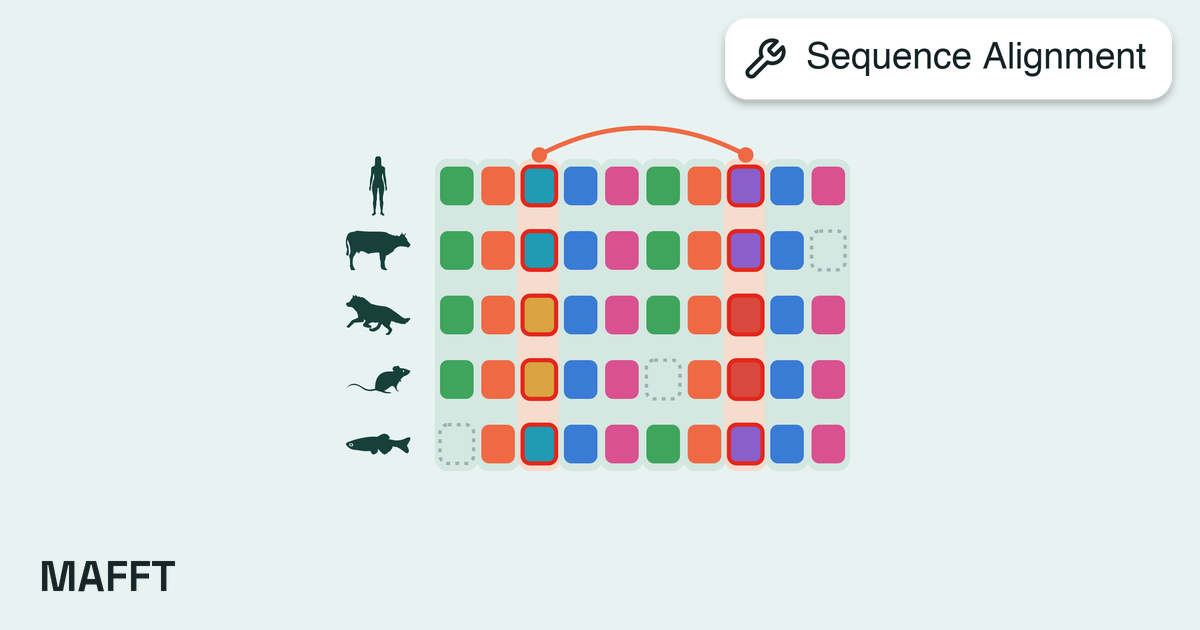
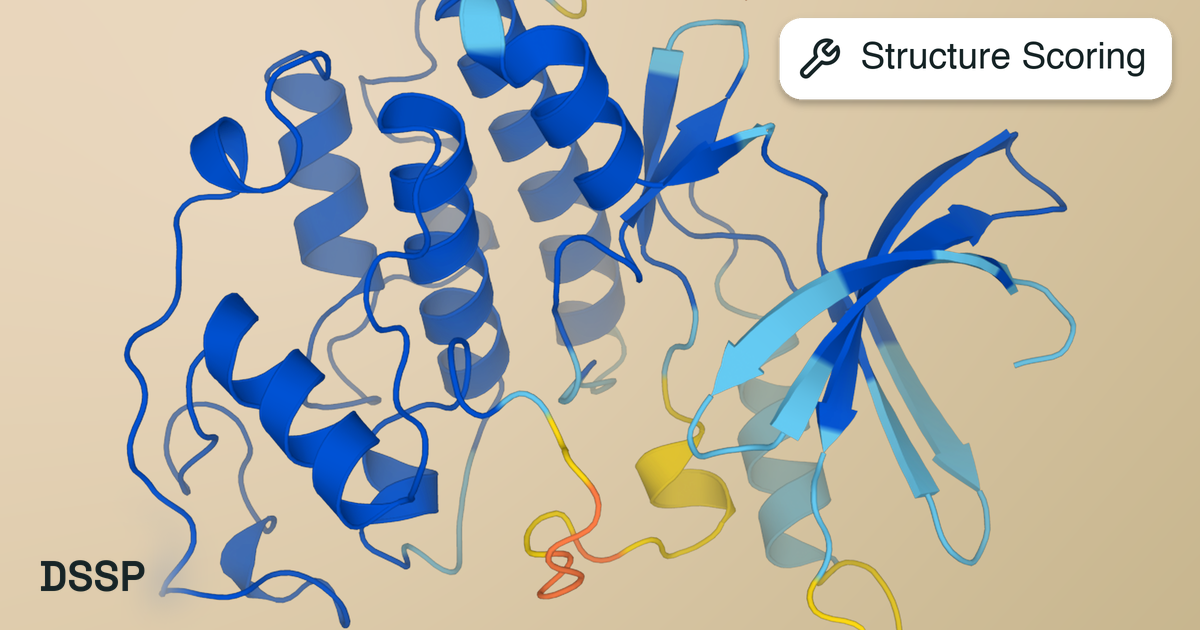
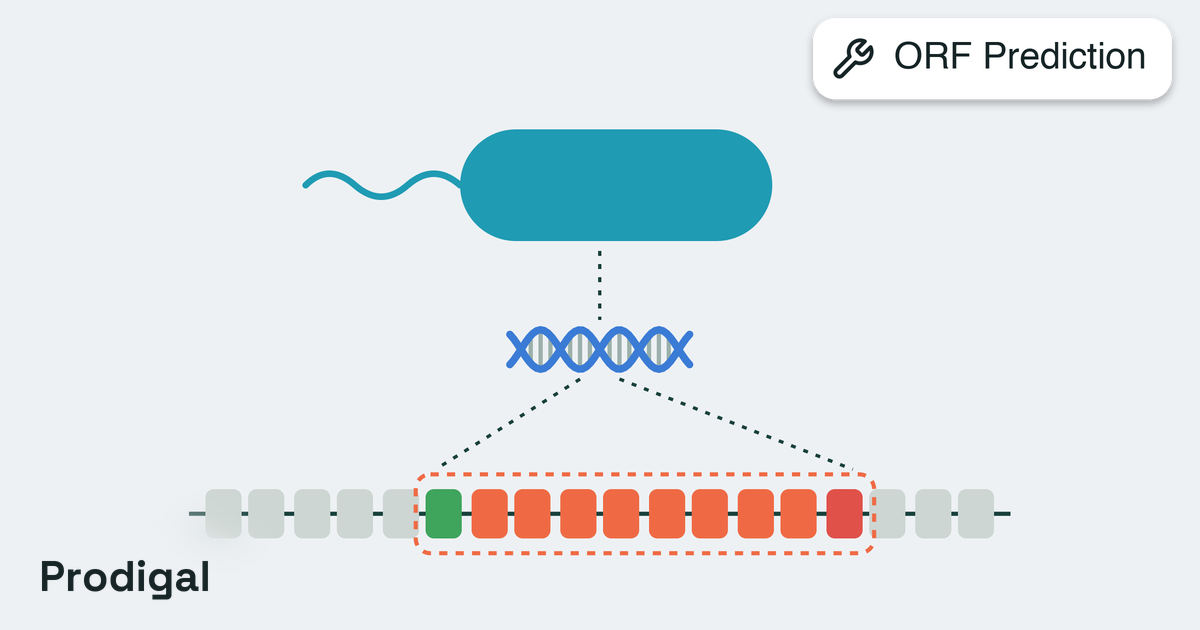
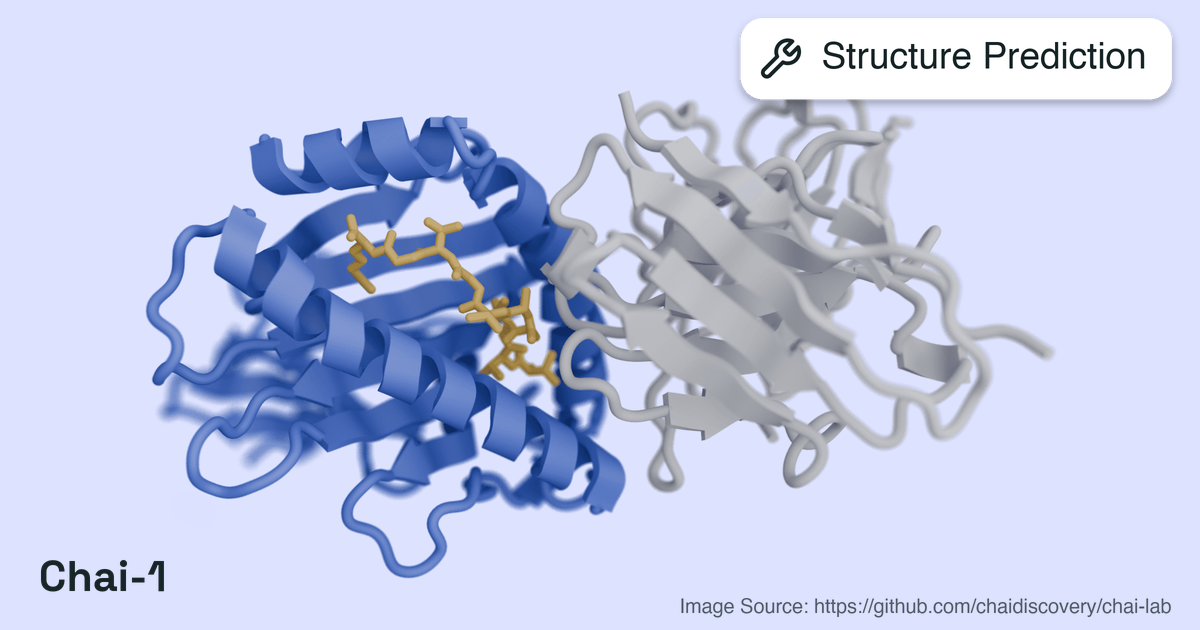
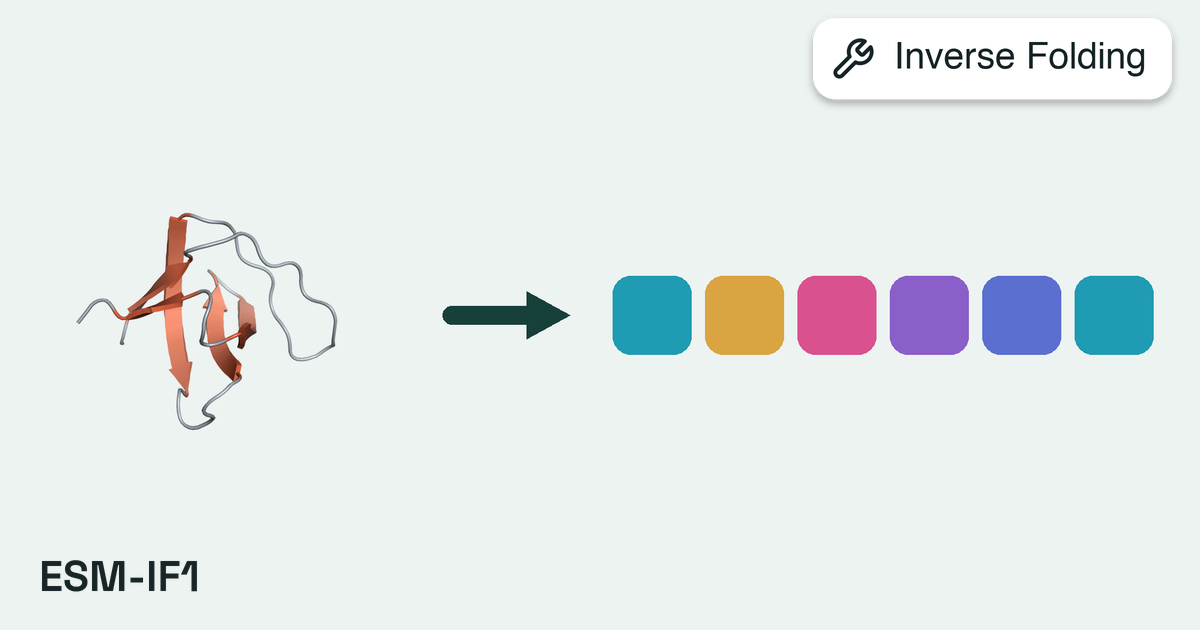
Computational biology and biological AI tools through a single, consistent Python interface. Structure prediction, inverse folding, language models, sequence analysis, and more.
How It Works
1
Define your design space
Create Segments (contiguous sequence regions) and group them into Constructs. Start from scratch or provide a starting sequence.
2
Choose how to generate proposals
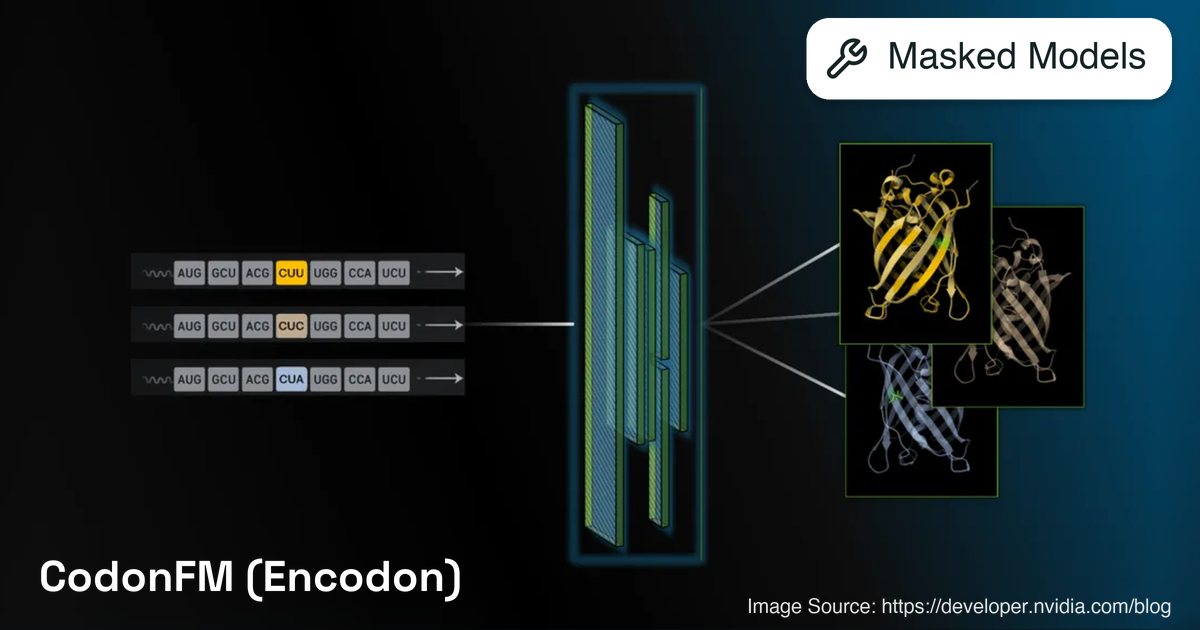
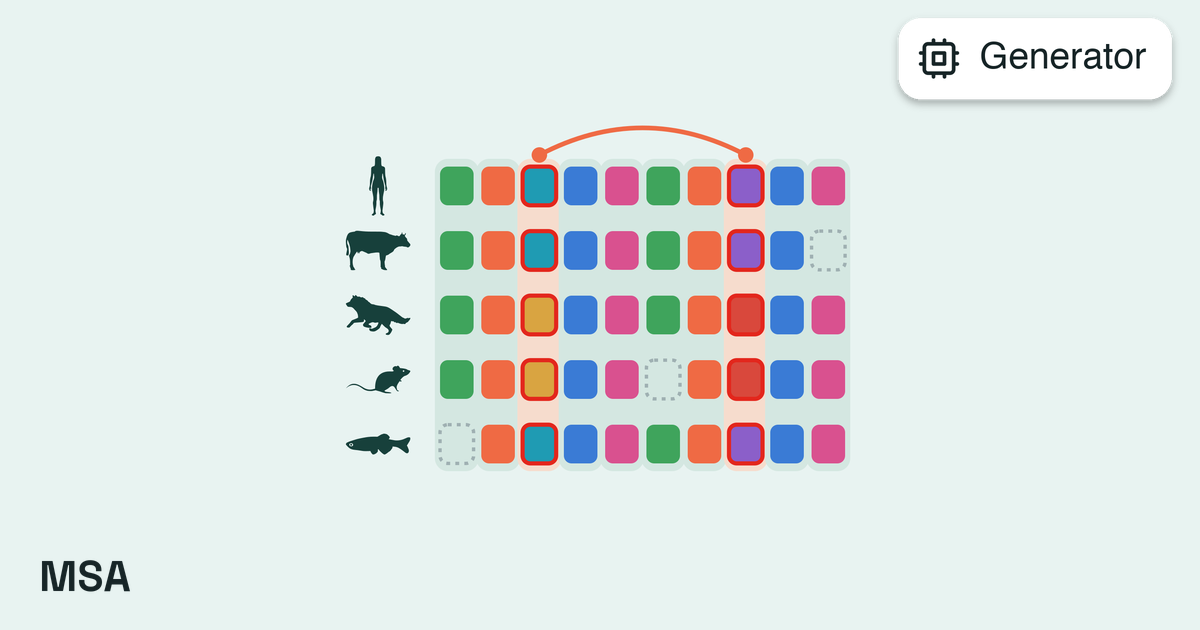
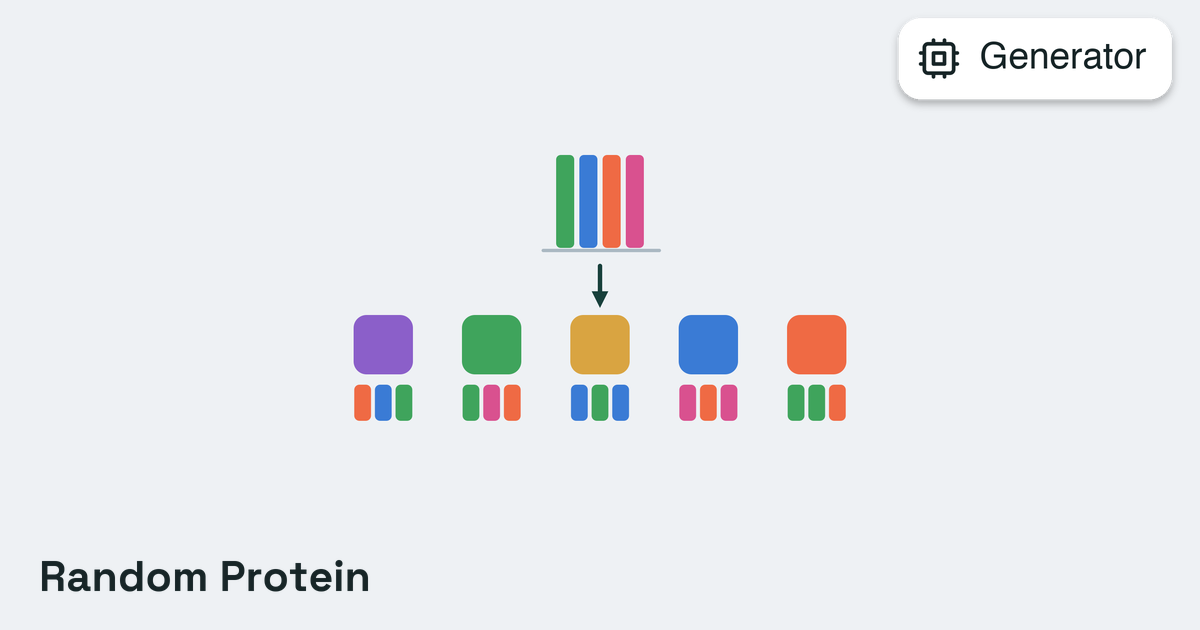
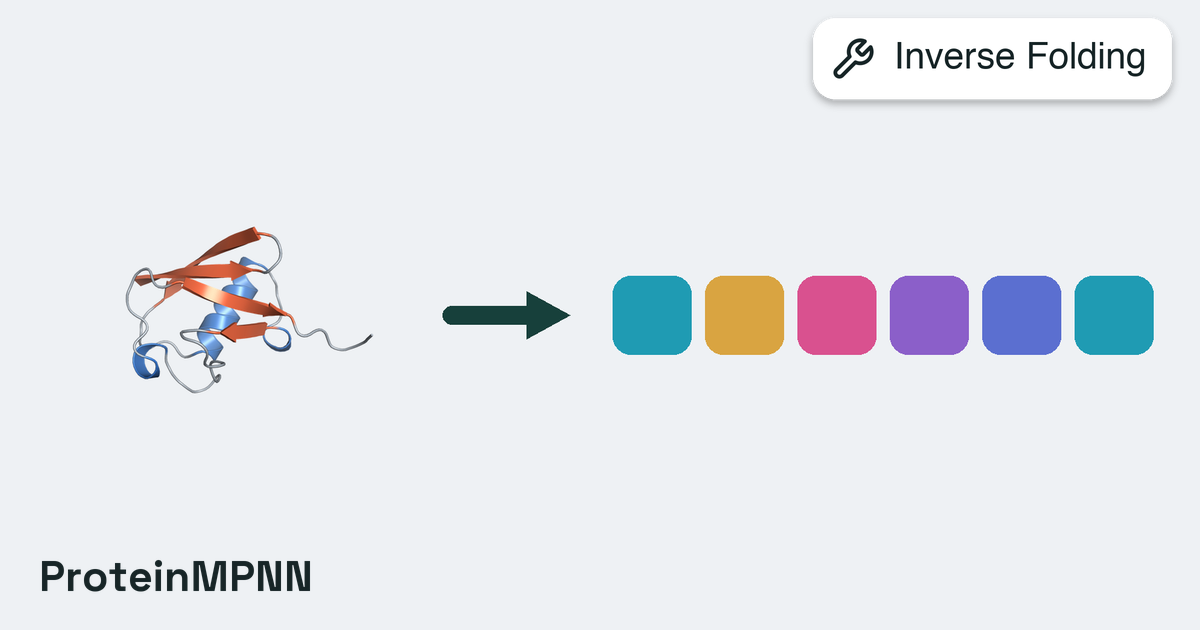
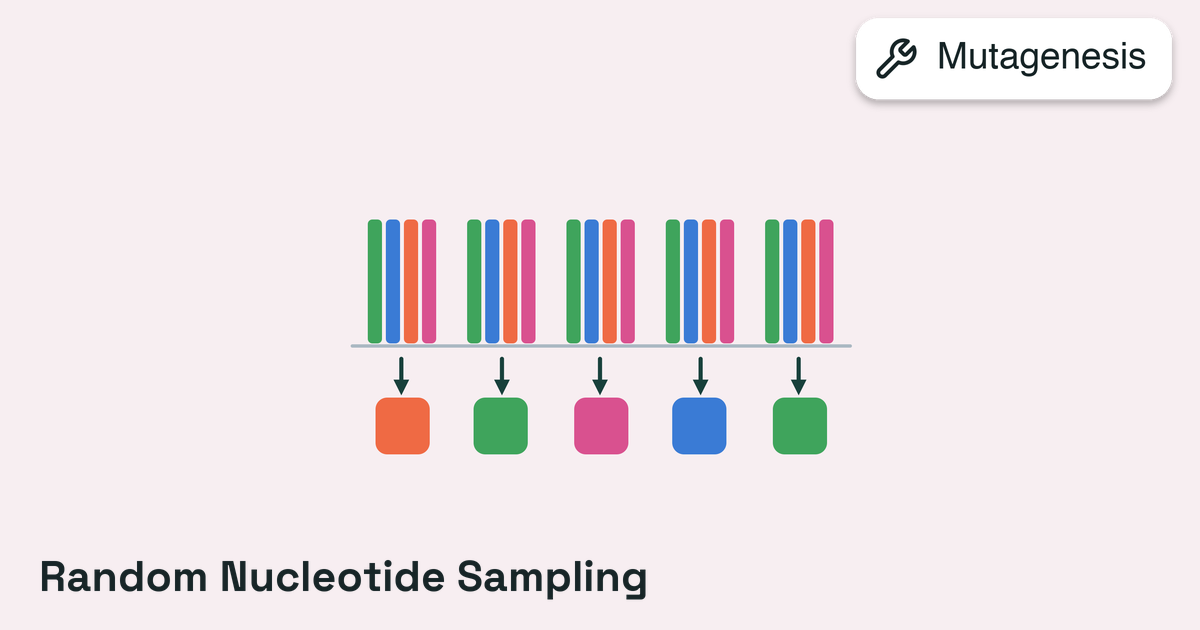
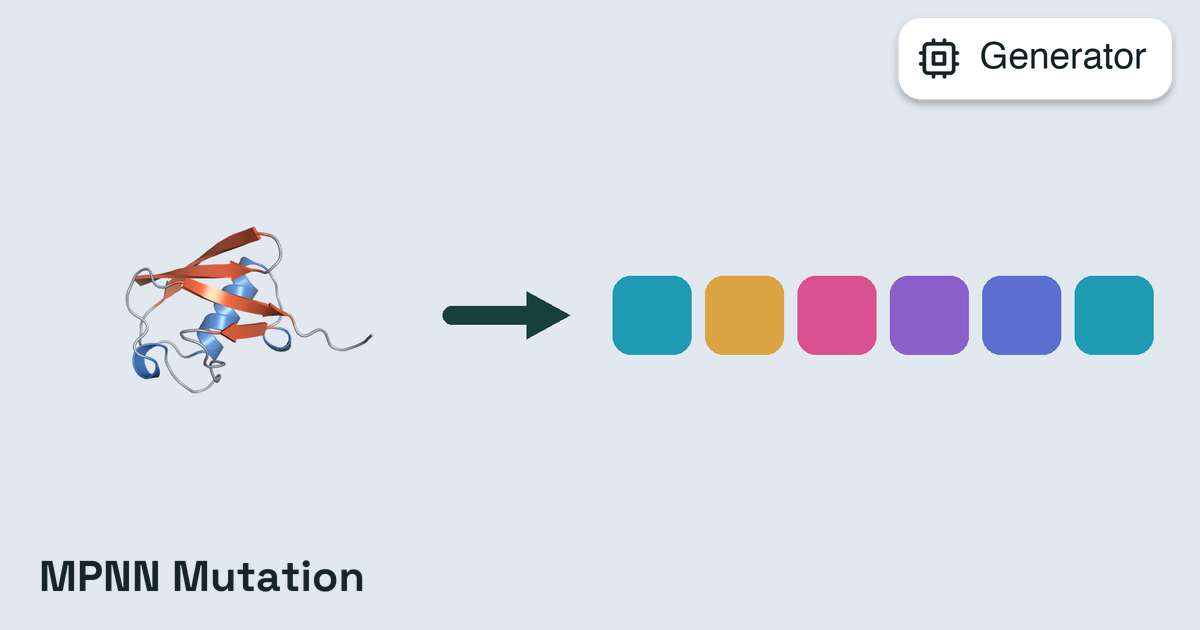
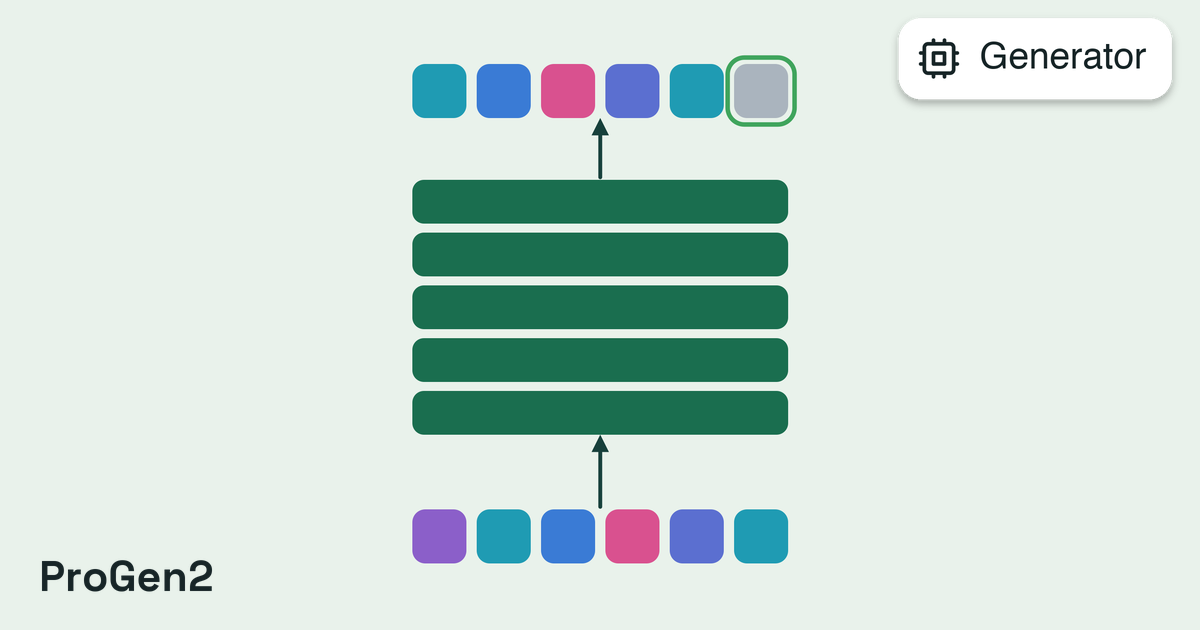
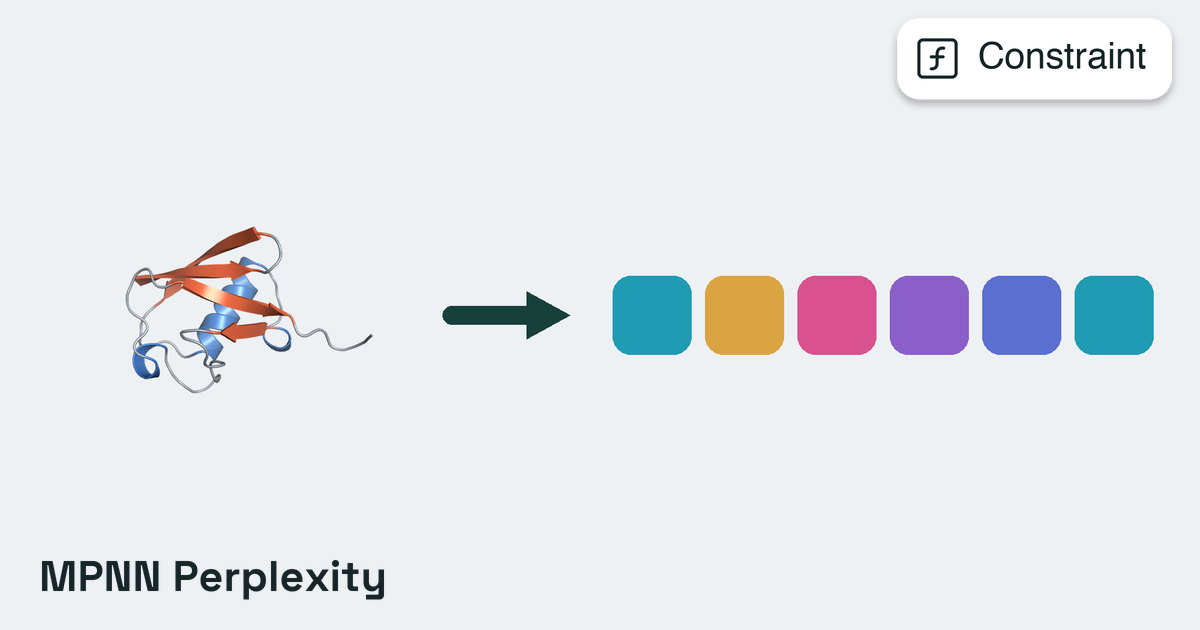
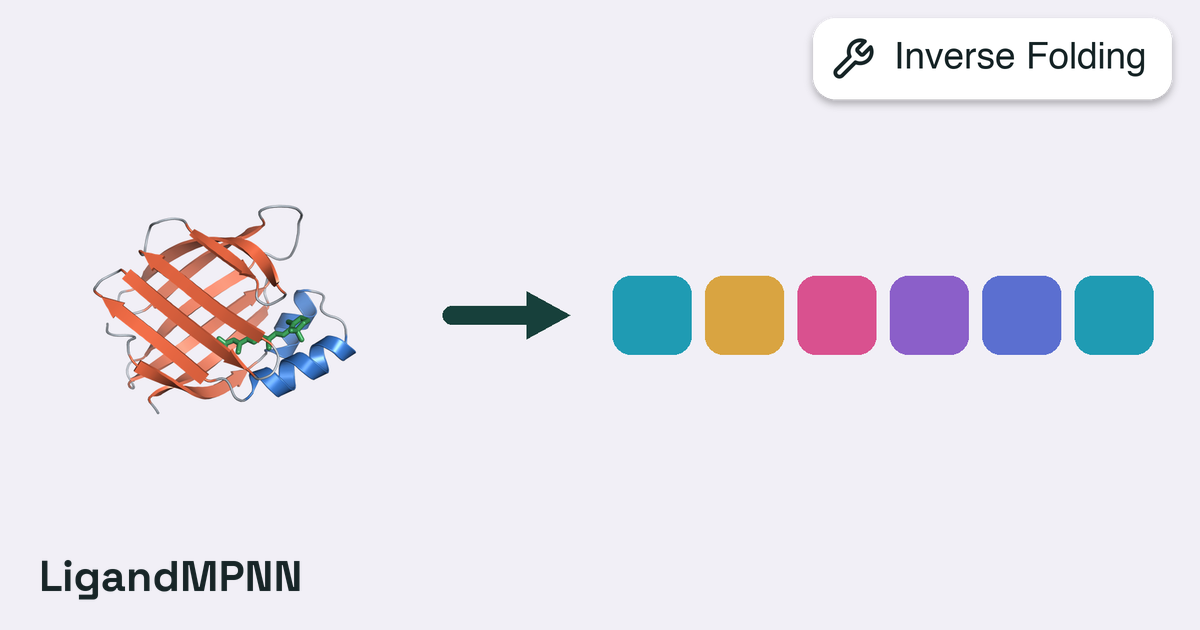
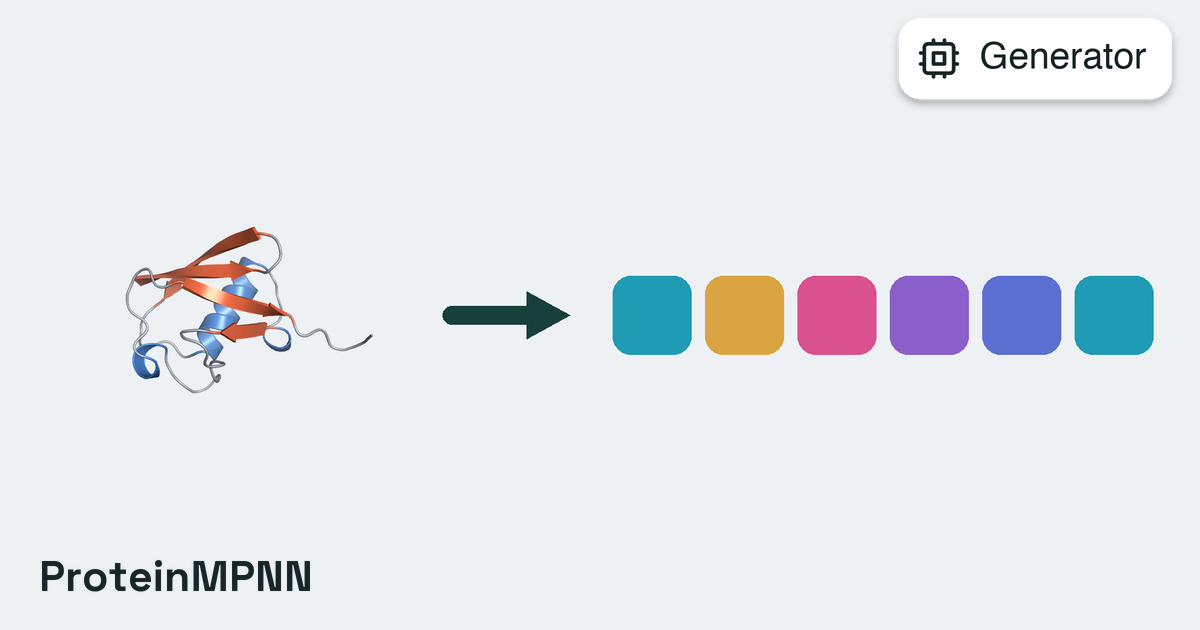
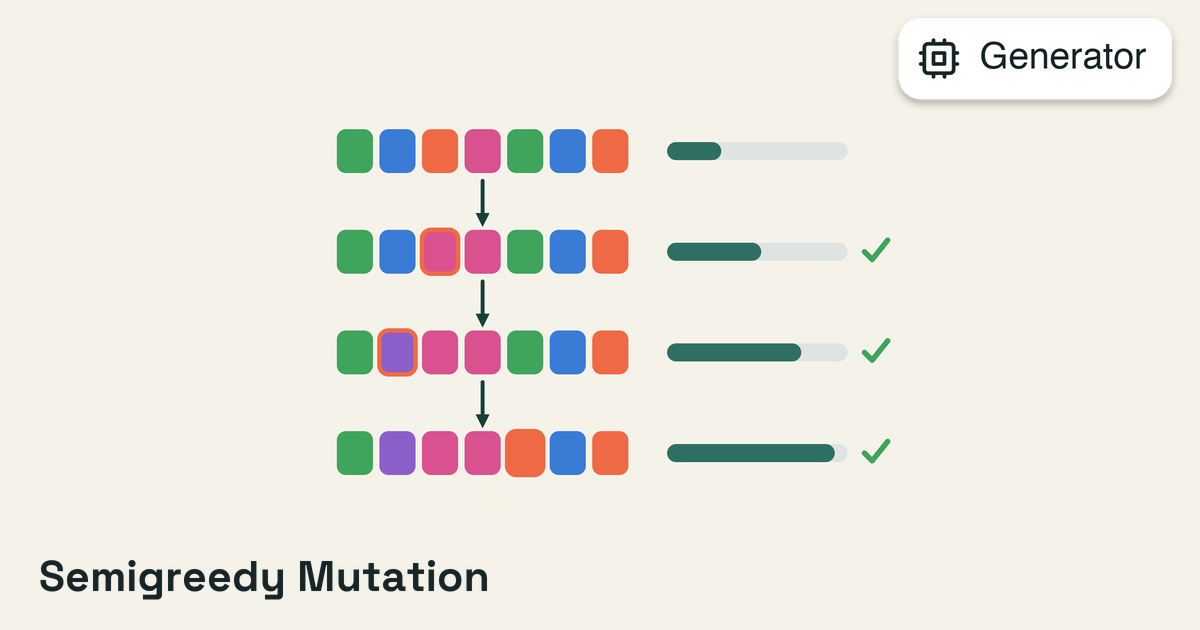
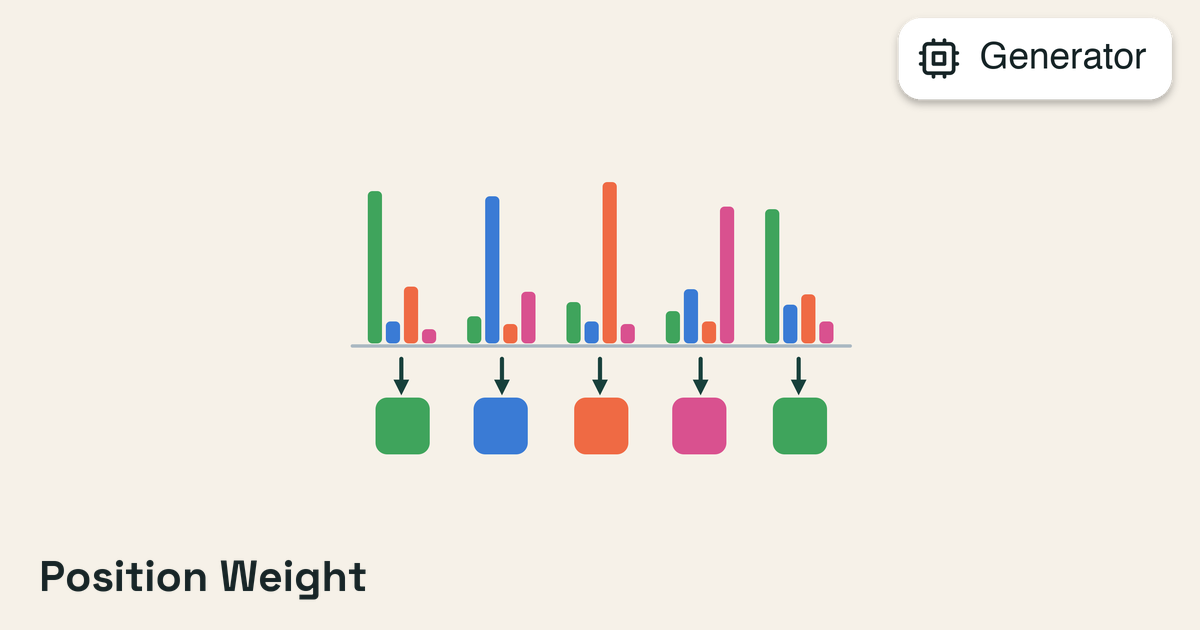
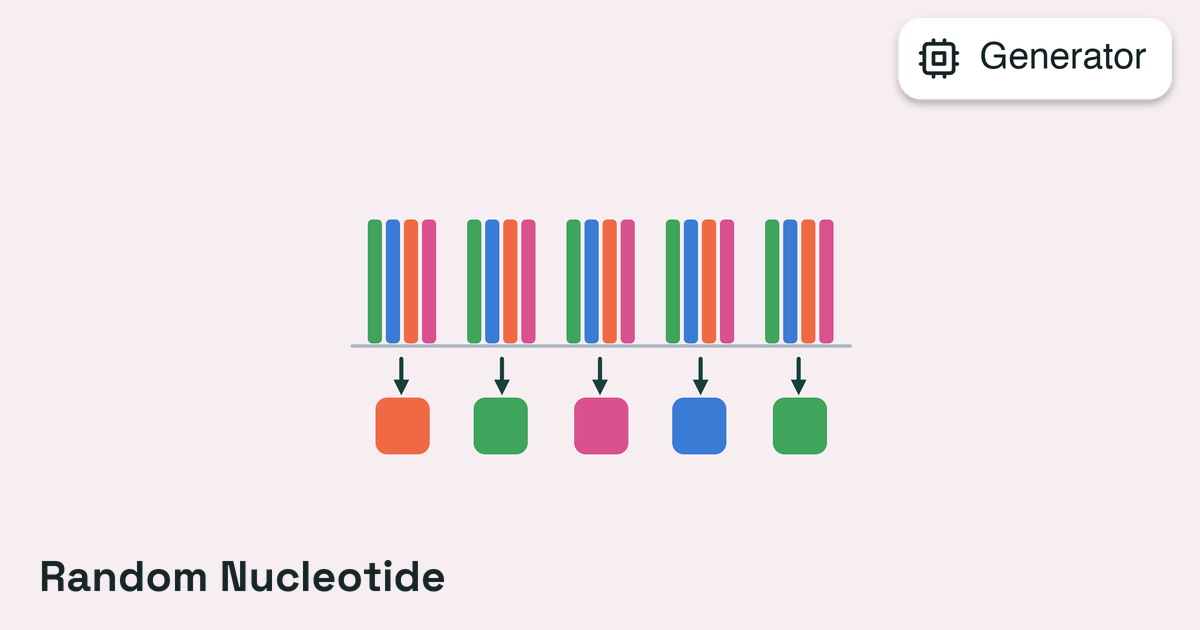
Assign Generators to segments. From simple random mutations to protein language models like ESM2 and ESM3, and inverse-folding models like ProteinMPNN.
3
Set your requirements as constraints
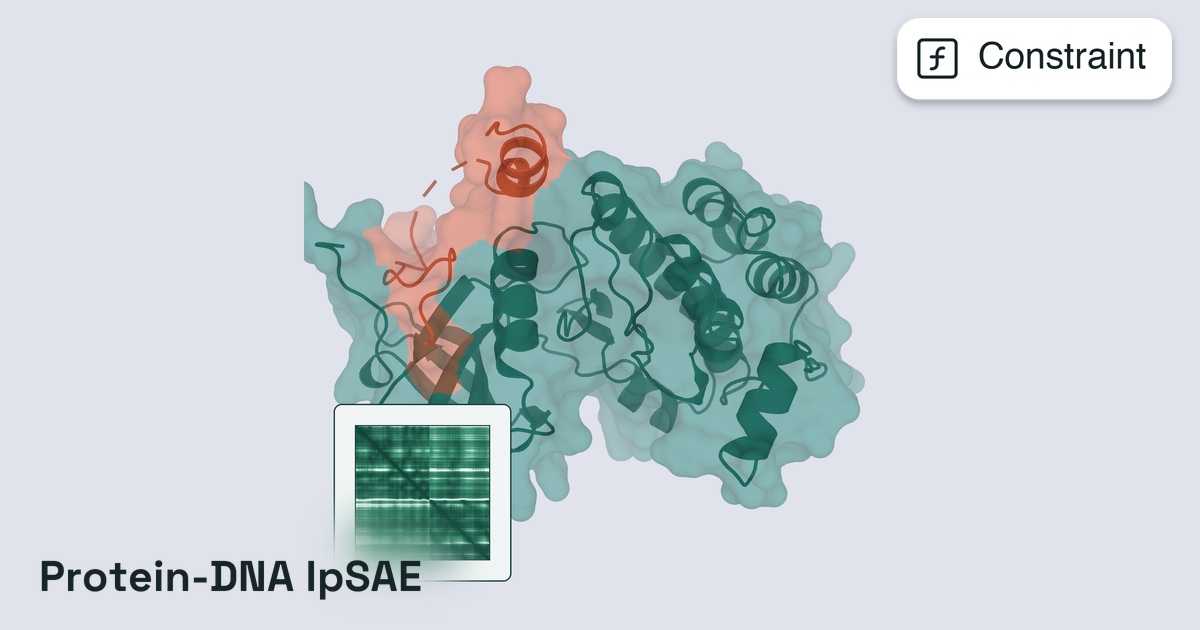
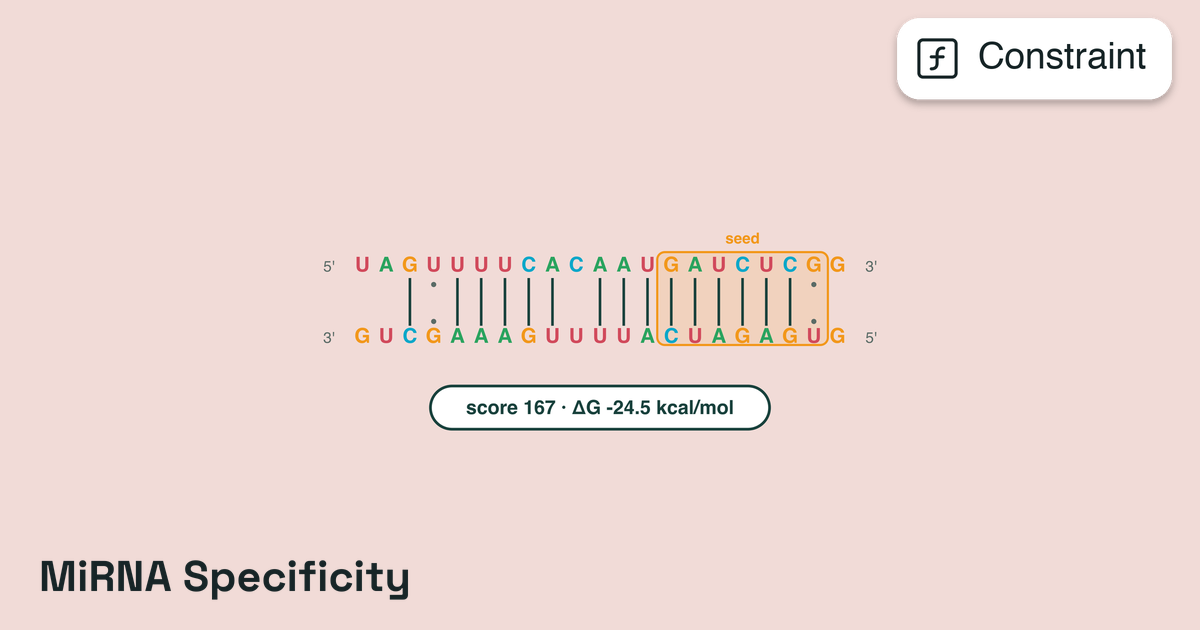
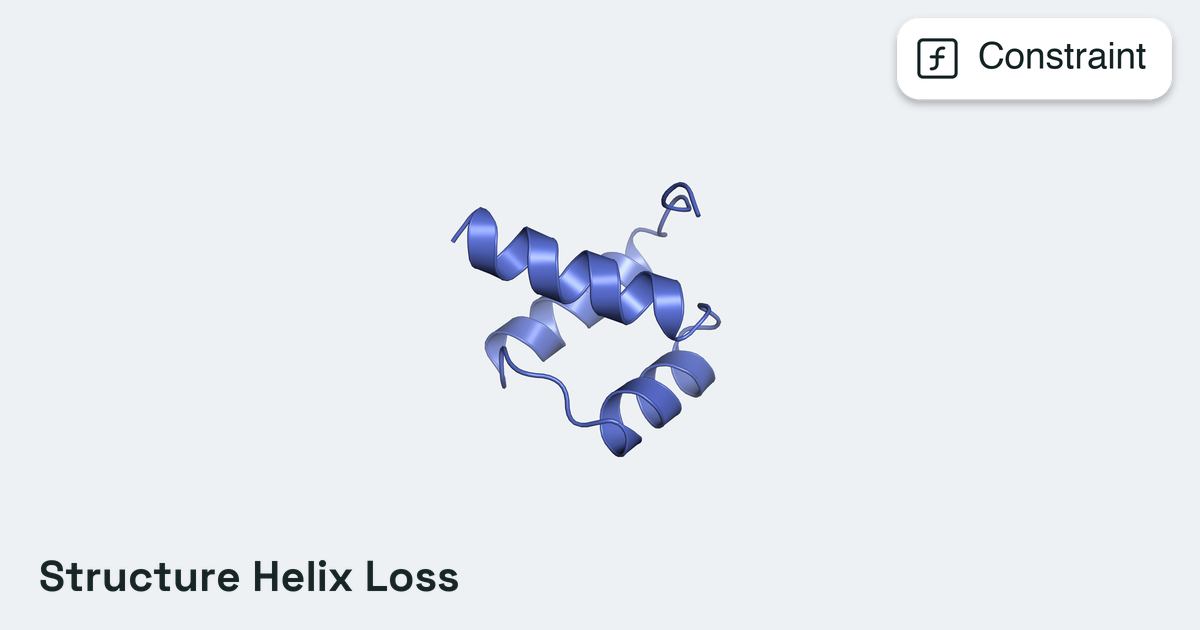
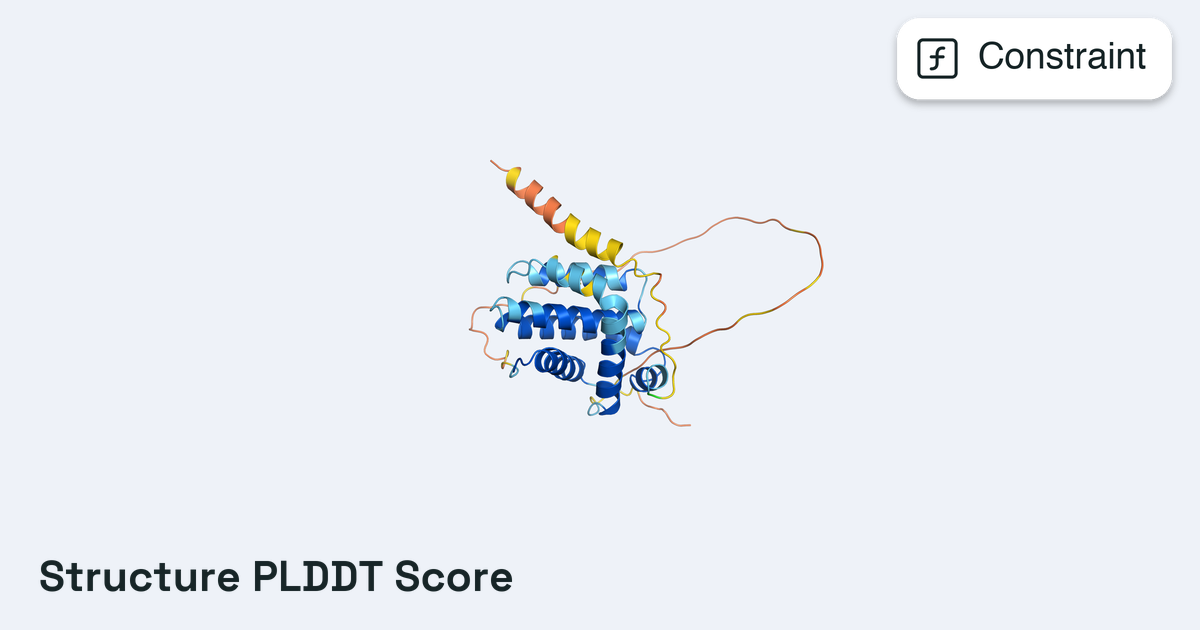
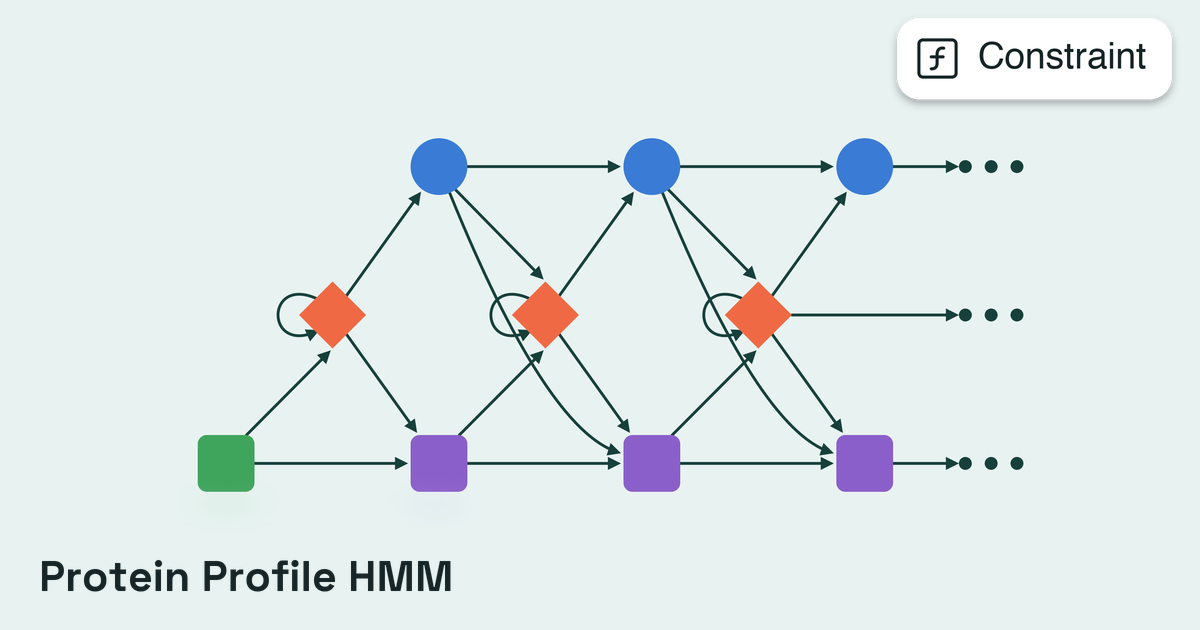
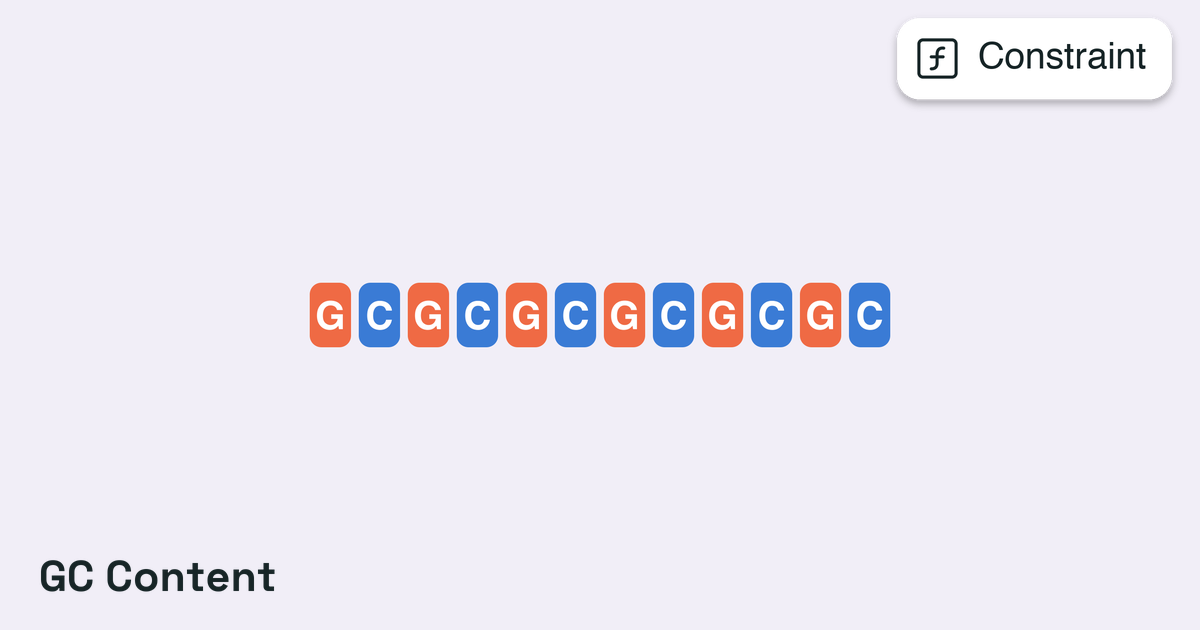
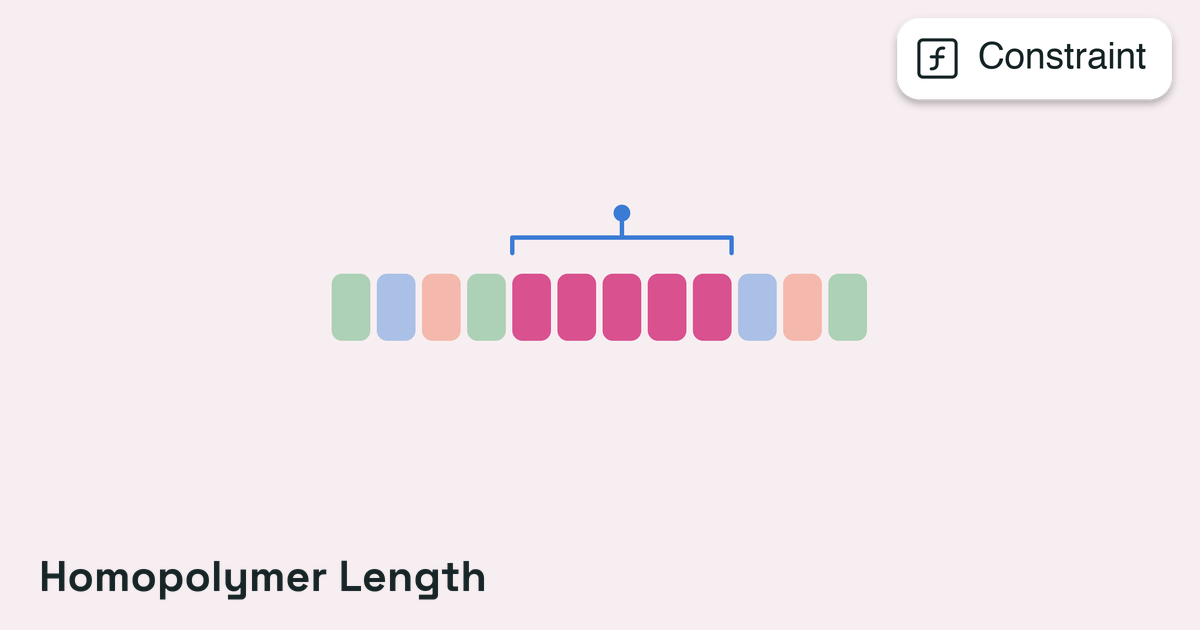
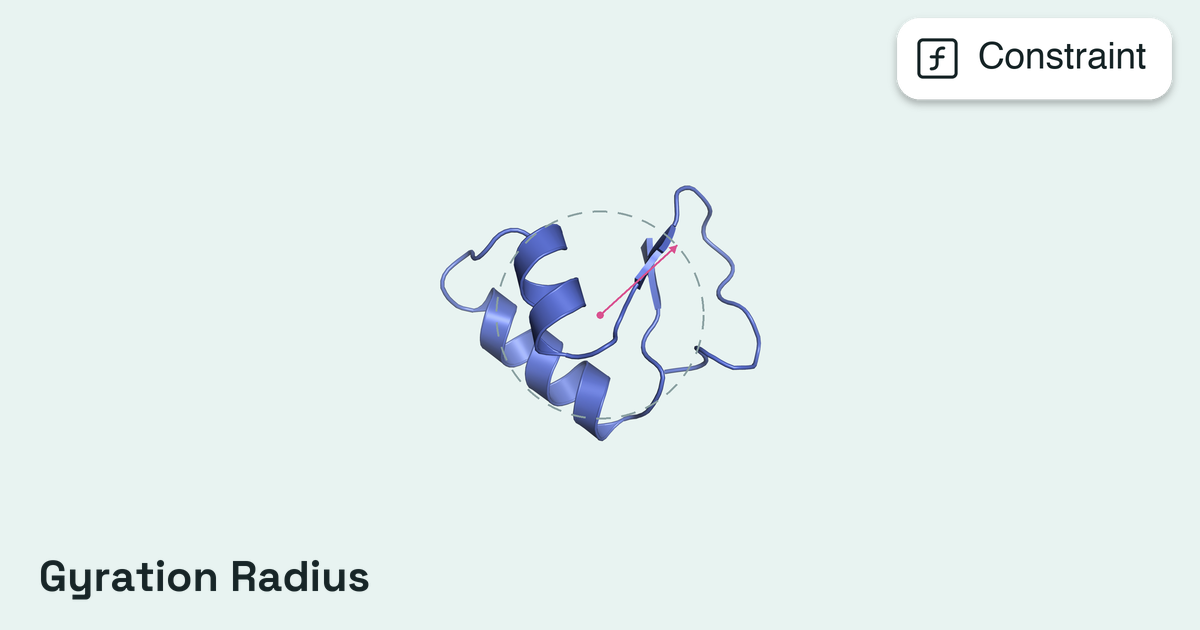
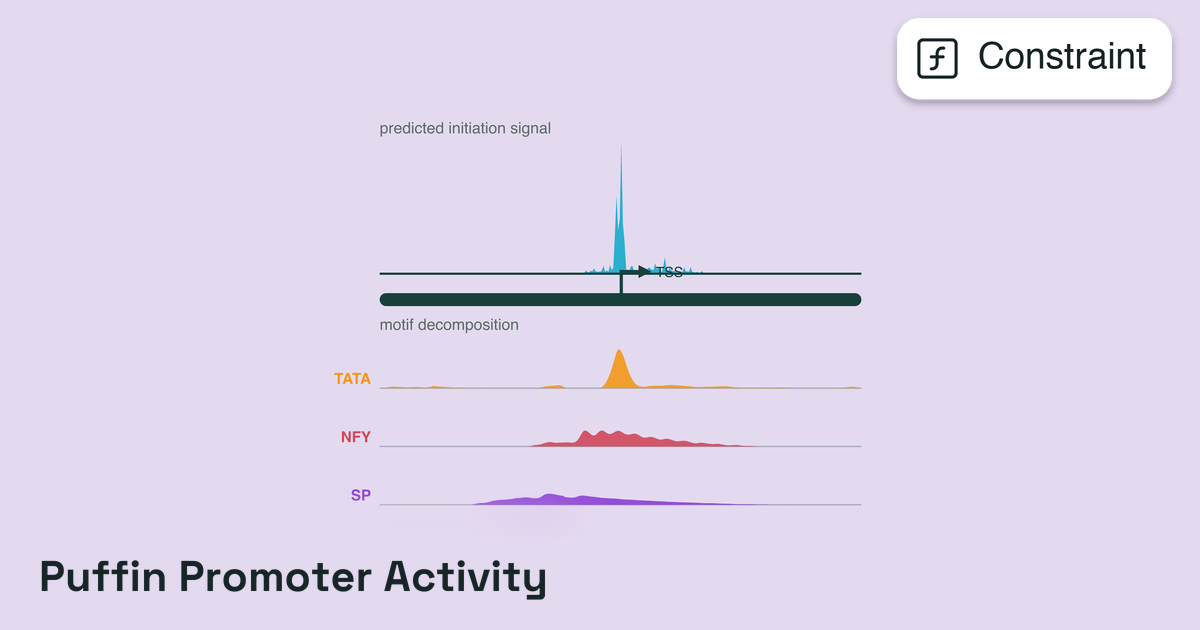
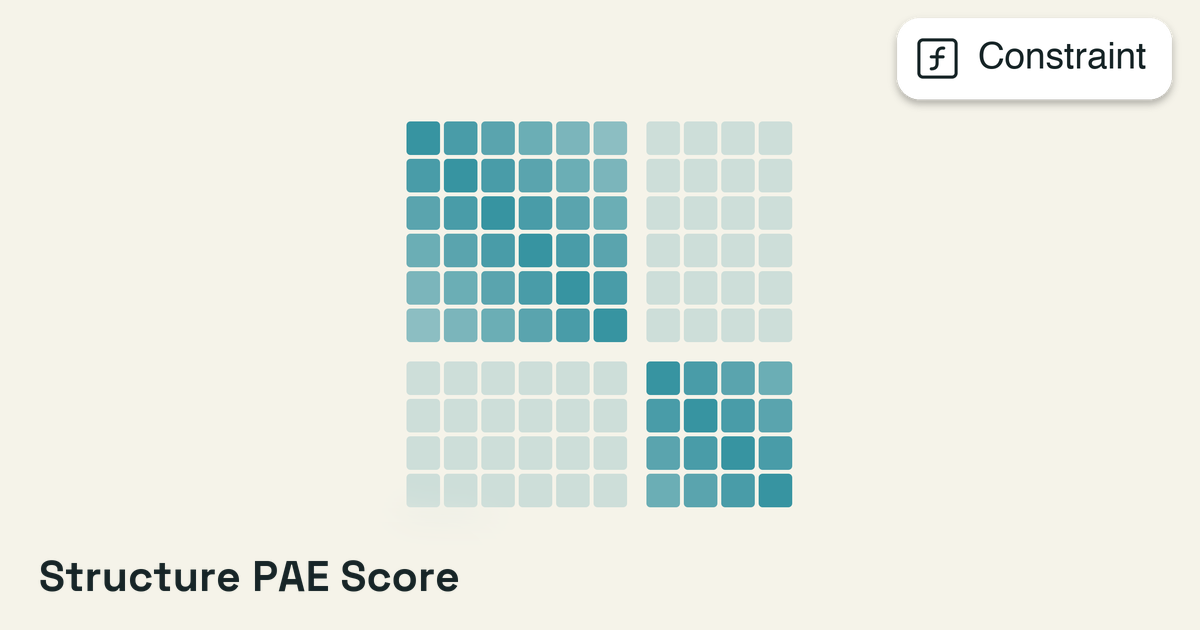
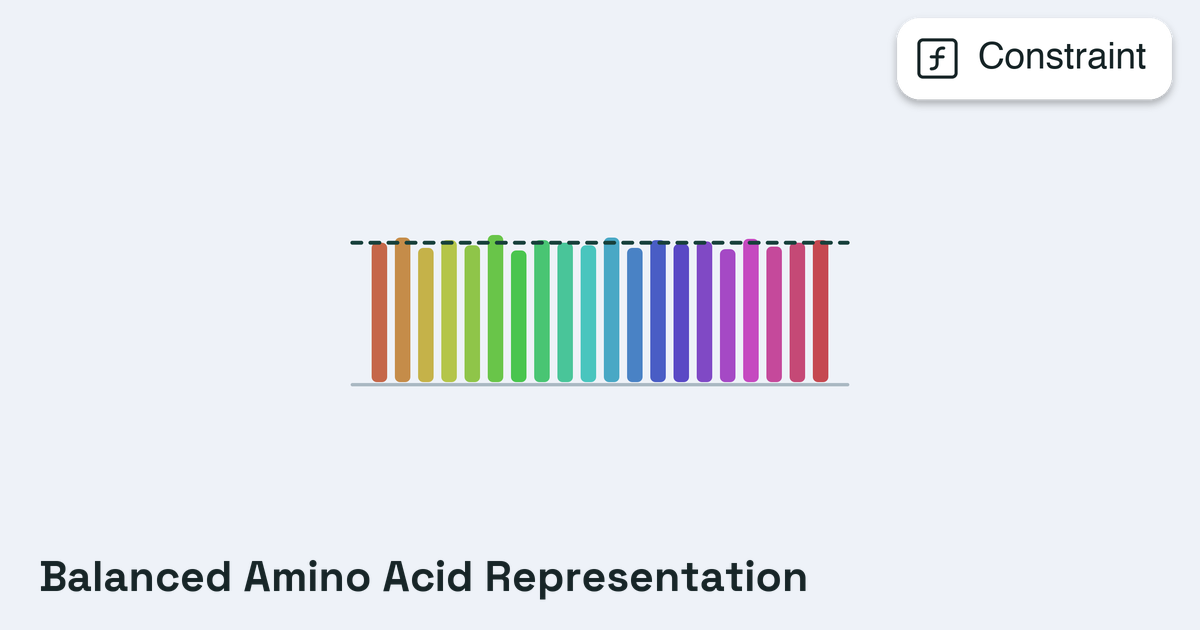
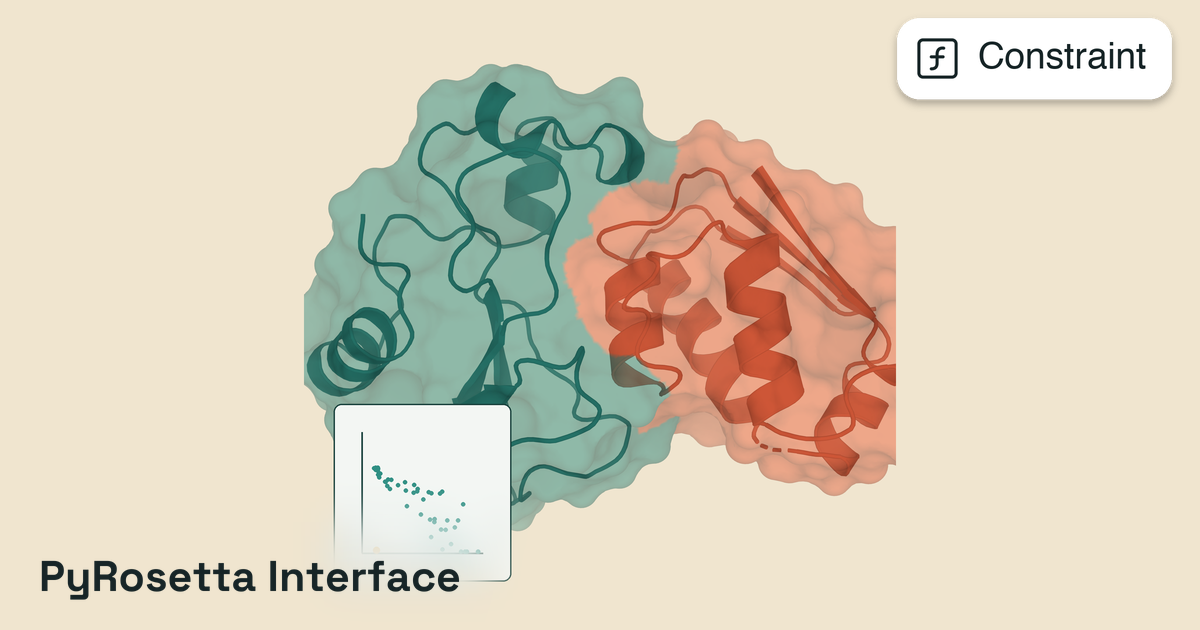
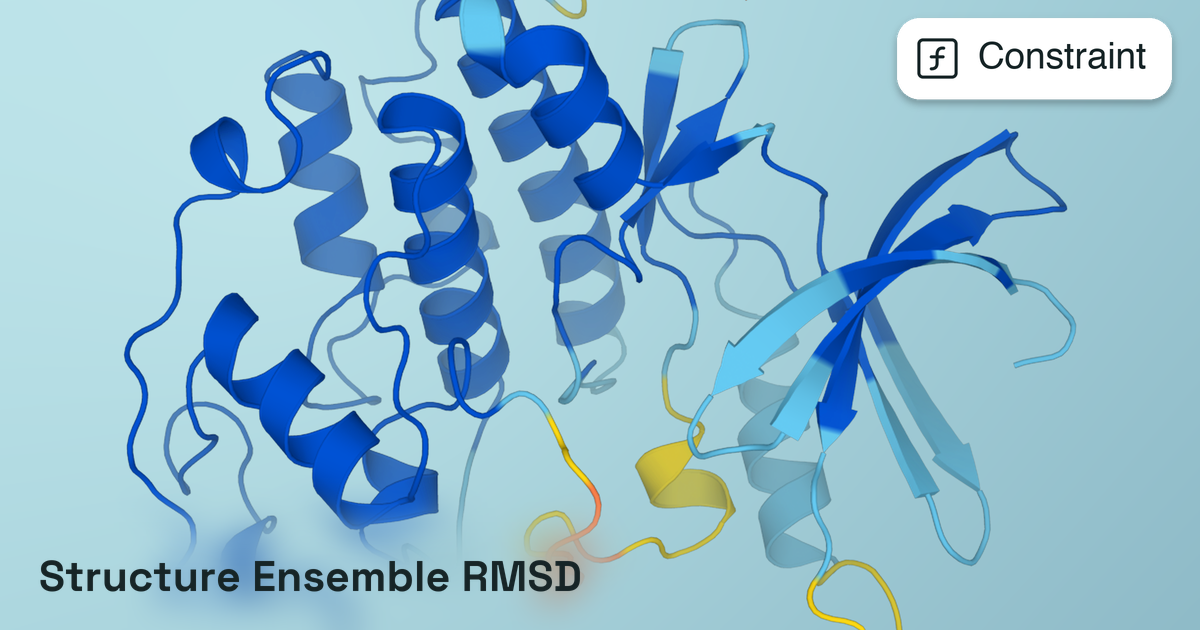
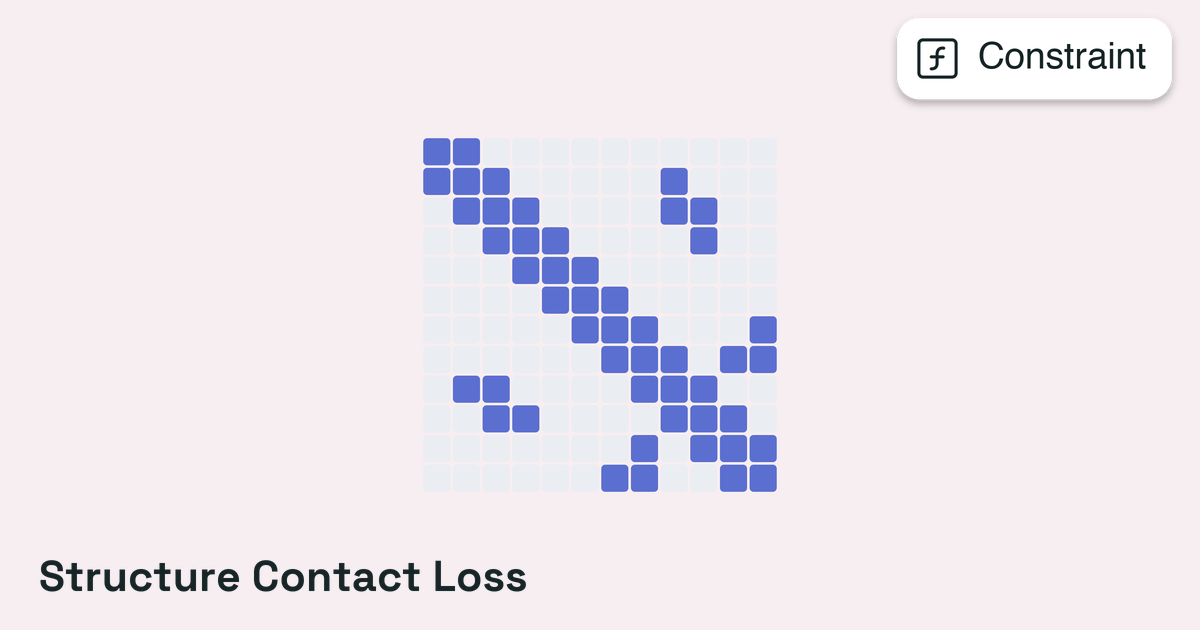
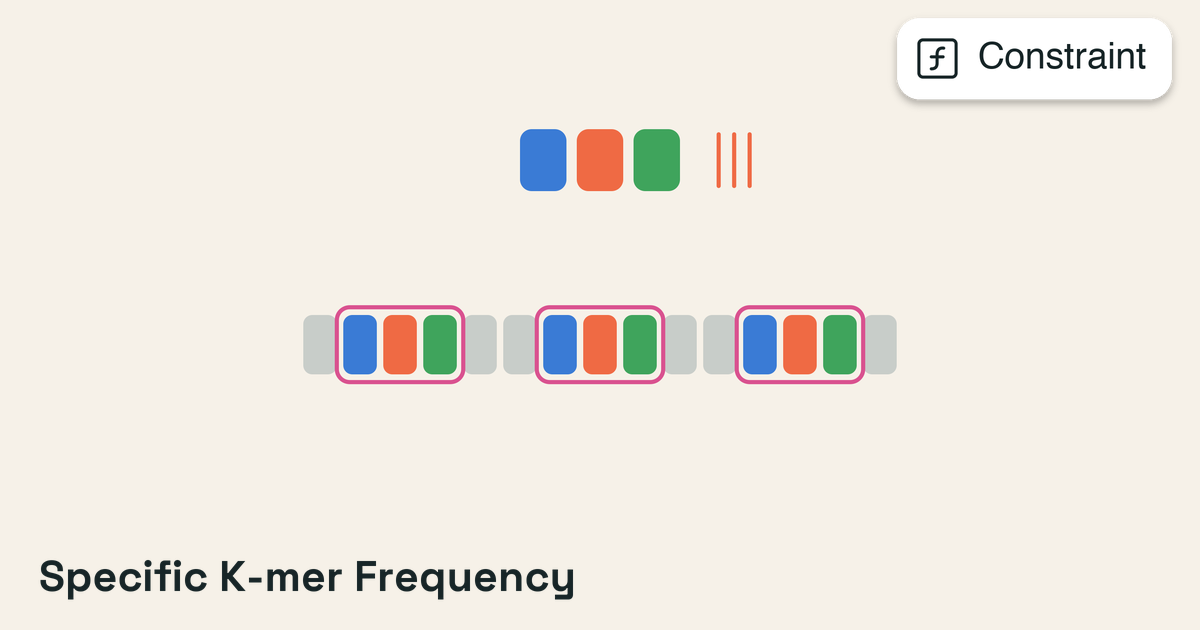
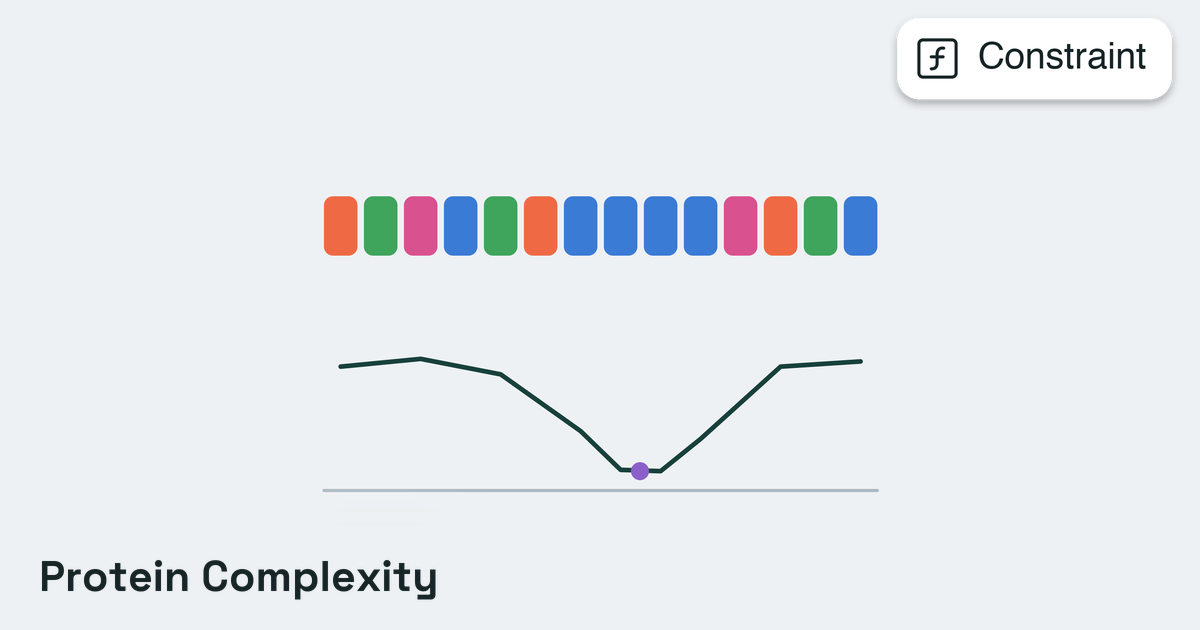
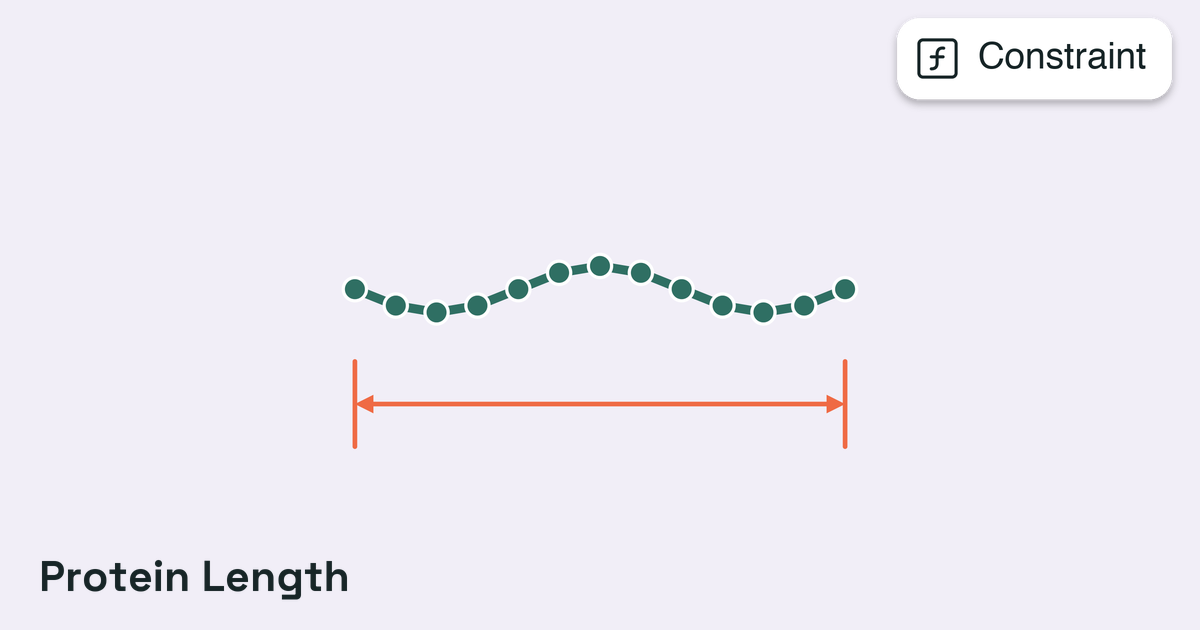
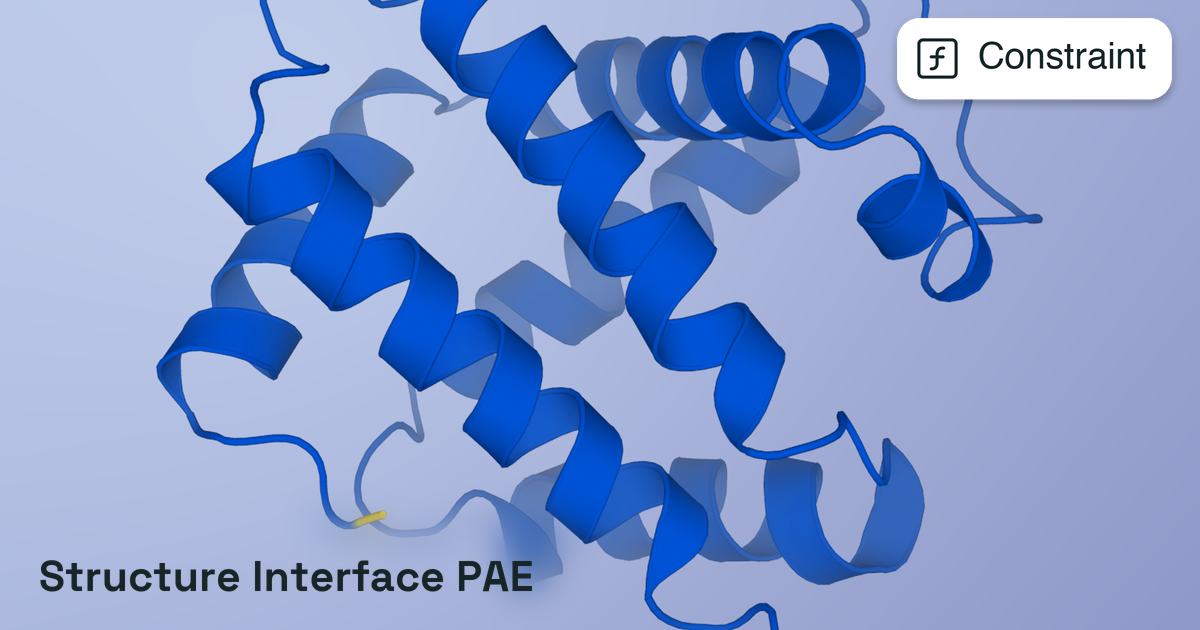
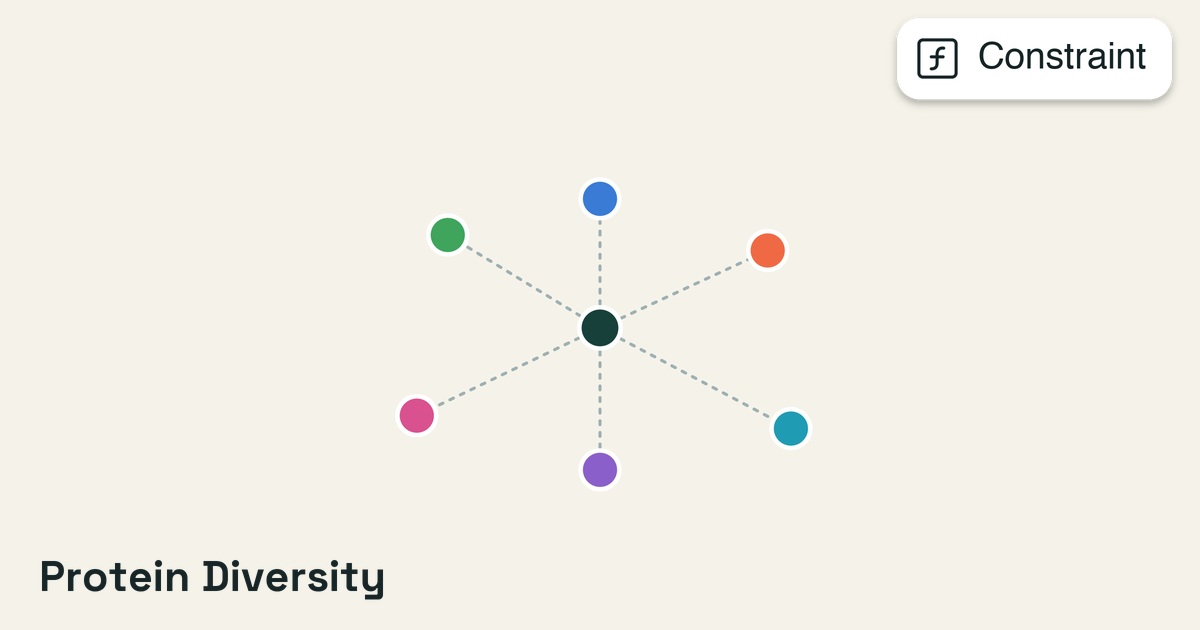
Constraints score how well each proposal meets your requirements. Use any of 120+ bioinformatics tools as scoring functions.
4
Run optimization
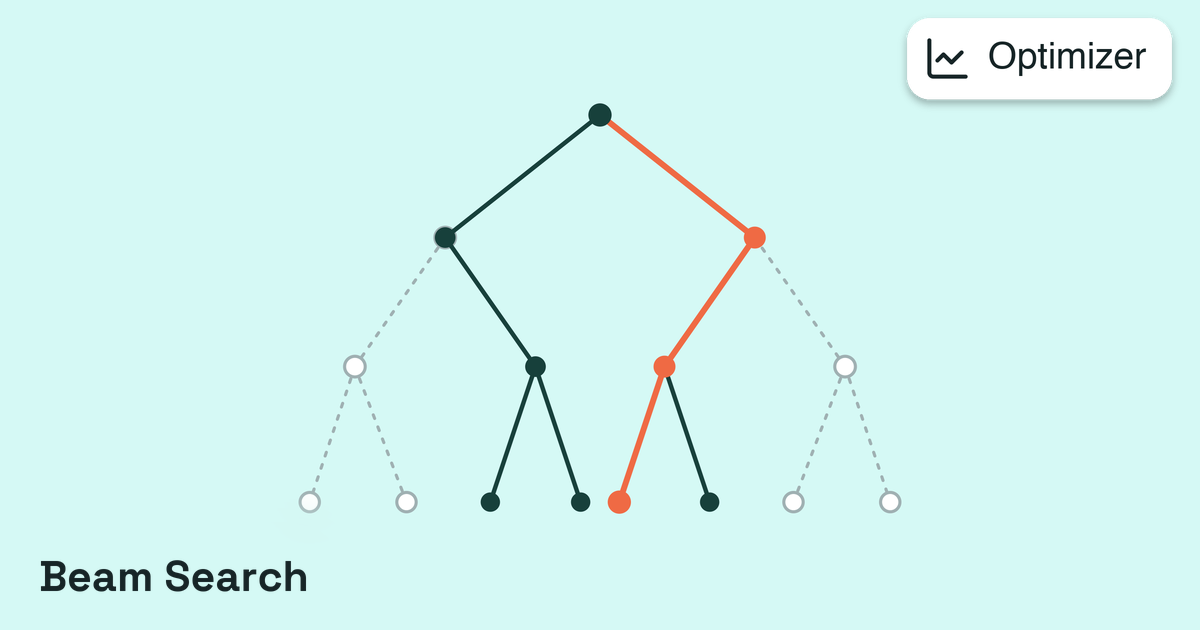
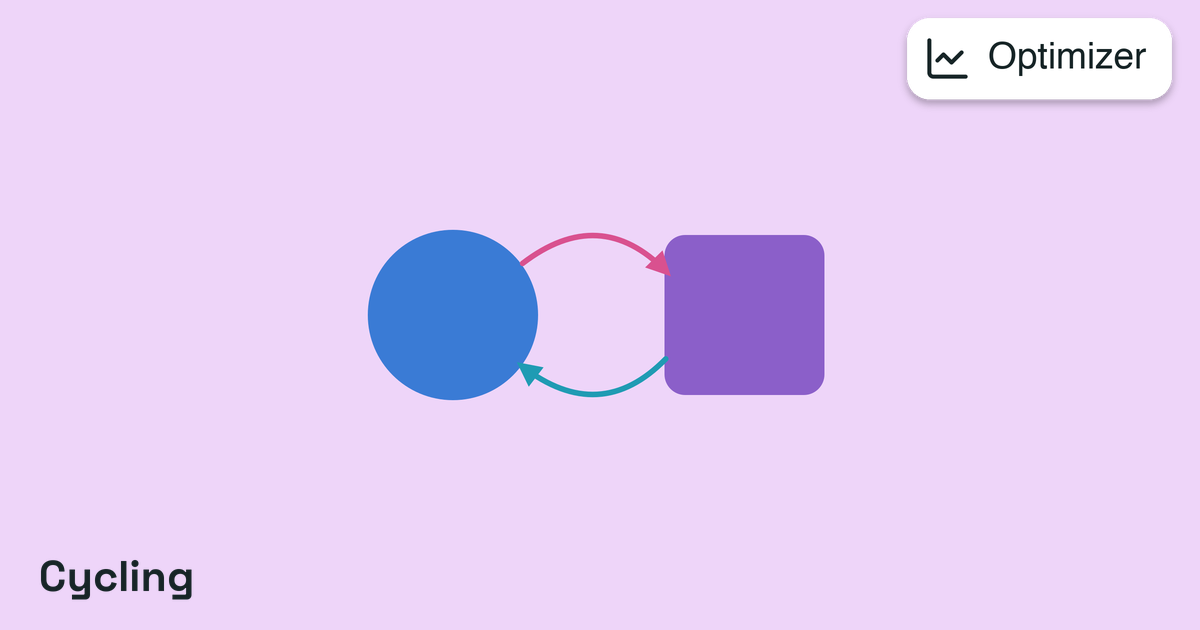
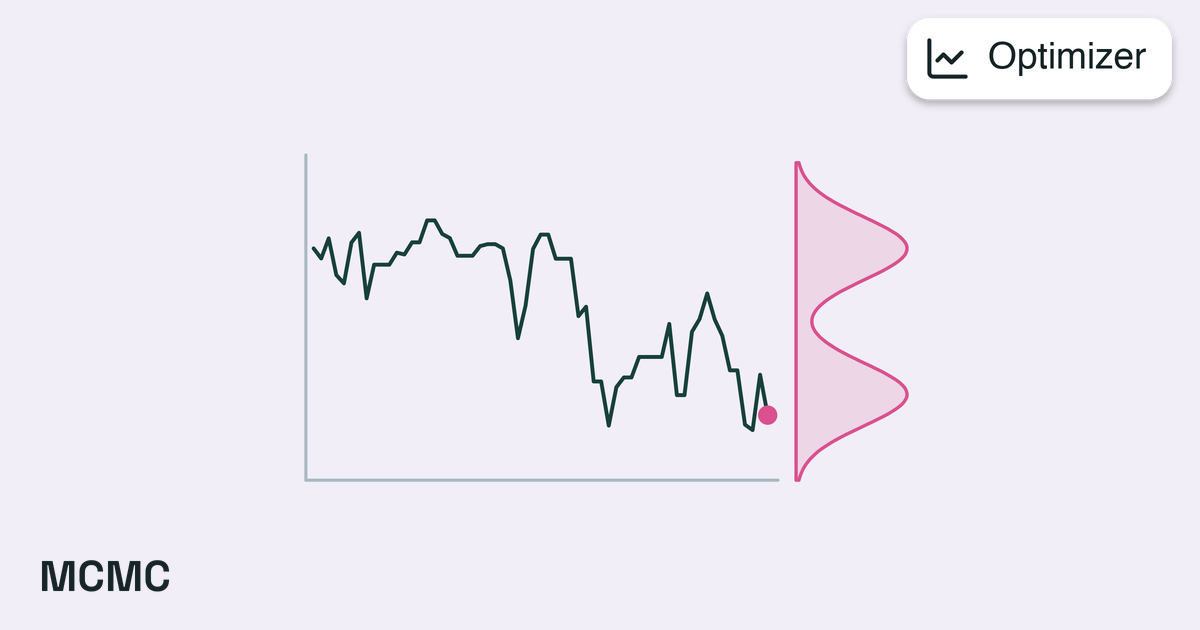
Optimizers search sequence space to minimize total constraint scores. Chain multiple optimizers in a Program for multi-stage pipelines.
Citation
If you use Proto in your research, please cite our preprint:Merchant AT, Guo D, Viggiano B, Brennan-Almaraz LE, Hur E, Mai T, Yin P, King SH, Ashley E, Hie BL. A high-level programming language for generative biology with Proto. bioRxiv (2026). doi: 10.64898/2026.06.22.733870
Get Started
Language: Installation
Set up the optimization framework
Language: Quickstart
Design your first sequence
Tools: Installation
Set up the bioinformatics tools library
Tools: Quickstart
Run your first tool
Acknowledgements
Thank you to Modal
for sponsoring the compute used to develop and test the remote execution layer, and for making it
straightforward to host the tool catalog.
Thank you to
Modal
for sponsoring the compute used to develop and test the remote execution layer, and for making it
straightforward to host the tool catalog.
Thank you to  Stanford University
and the
Stanford University
and the  Arc Institute
for supporting this work’s development.
Thank you to everyone who has contributed to Proto. Contributions of every size are welcome; see
the contributing guides for
proto-language and
proto-tools to get started.
Arc Institute
for supporting this work’s development.
Thank you to everyone who has contributed to Proto. Contributions of every size are welcome; see
the contributing guides for
proto-language and
proto-tools to get started.